
2017 Nissan Titan Output Speed Sensor
The 2017 Nissan Titan, a truck aiming to carve its own path in a fiercely competitive segment, relies on a sophisticated array of sensors to ensure smooth operation. Among these, the output speed sensor plays a crucial, though often overlooked, role in the transmission's performance. Understanding its function, potential issues, and maintenance can save you from costly repairs down the line.
What Does the Output Speed Sensor Do?
In essence, the output speed sensor monitors the rotational speed of the transmission's output shaft. This information is then relayed to the vehicle's Transmission Control Module (TCM) or Powertrain Control Module (PCM). Think of it as the transmission's speedometer. By knowing how fast the output shaft is spinning, the TCM/PCM can:
- Optimize Shift Timing: Accurate speed data is essential for smooth and precise gear changes. The TCM uses this information to determine the optimal moment to shift up or down, maximizing fuel efficiency and performance.
- Monitor Transmission Health: Discrepancies between the input and output speeds can indicate internal transmission problems, such as slipping clutches or worn gears. The TCM uses these comparisons to detect potential issues early on.
- Control Torque Converter Lockup: The torque converter lockup clutch improves fuel economy at highway speeds. The output speed sensor provides the necessary data for the TCM to engage and disengage this clutch smoothly.
- Provide Data for Cruise Control and ABS: While these systems also rely on wheel speed sensors, the output speed sensor data provides a supplementary source of information, especially in situations where wheel slip might occur.
In the 2017 Titan, equipped with either the 5.6L VK56VD V8 or the Cummins 5.0L V8 Turbo Diesel, the transmission is a critical component. The gasoline engine is usually paired with a 7-speed automatic, while the diesel typically uses a 6-speed Aisin automatic. Regardless of the transmission type, the output speed sensor's function remains the same.
Location of the Output Speed Sensor
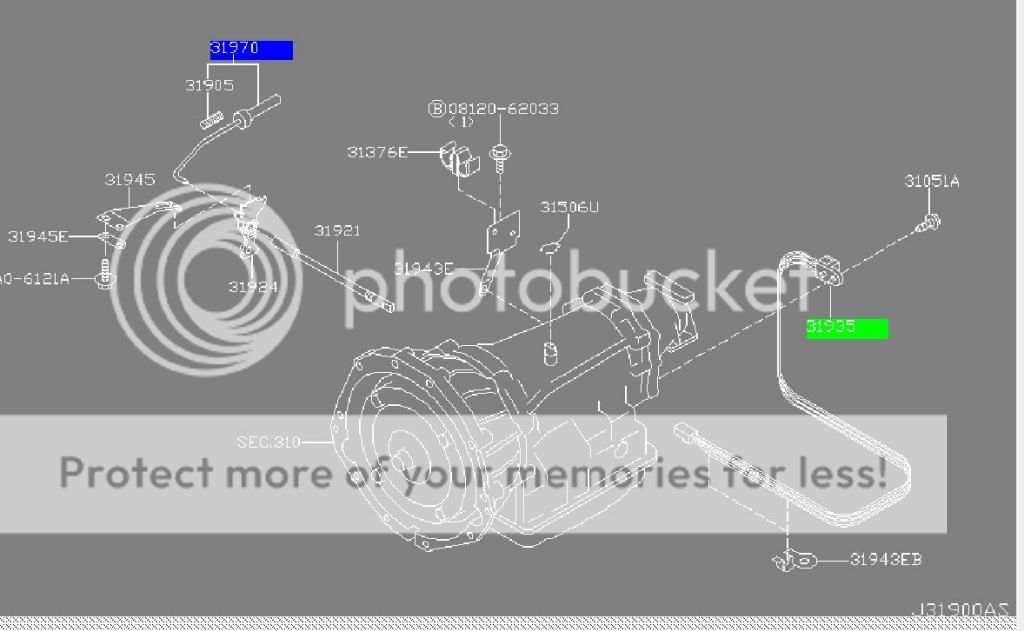
Locating the output speed sensor on a 2017 Titan generally involves looking at the rear of the transmission housing. It's typically a small, cylindrical sensor with an electrical connector. Due to variations in transmission models and specific configurations, the exact location might differ slightly. Consulting the vehicle's service manual or a reputable online repair database is always recommended for precise identification.
Tools and Precautions for Removal and Installation
If you're planning to replace the output speed sensor yourself, you'll typically need the following:
- Basic hand tools (sockets, wrenches, screwdrivers)
- A multimeter (for testing continuity)
- A scan tool (for reading and clearing diagnostic trouble codes - DTCs)
- Safety glasses and gloves
Important Precautions:
- Disconnect the battery's negative terminal before working on any electrical components.
- Support the vehicle securely with jack stands if you need to access the sensor from underneath.
- Be careful not to damage the wiring or connector when removing the sensor.
- Apply dielectric grease to the connector pins before reassembling to prevent corrosion.
Symptoms of a Failing Output Speed Sensor
A faulty output speed sensor can manifest in a variety of symptoms. Recognizing these signs early can prevent further damage to the transmission.
- Erratic Shifting: The transmission might shift erratically, slipping between gears, or refusing to shift at all.
- Harsh Shifting: Gear changes might become unusually harsh or jarring.
- Check Engine Light: The check engine light will often illuminate, accompanied by specific diagnostic trouble codes (DTCs) related to the output speed sensor.
- Speedometer Malfunction: In some cases, the speedometer might become inaccurate or stop working altogether.
- Cruise Control Issues: The cruise control system might not engage or might disengage unexpectedly.
- Transmission Limp Mode: The TCM might enter a "limp mode," restricting the transmission to a single gear to prevent further damage.
Common DTCs associated with the output speed sensor include P0720 (Output Speed Sensor Circuit Malfunction), P0721 (Output Speed Sensor Range/Performance), P0722 (Output Speed Sensor No Signal), and P0723 (Output Speed Sensor Intermittent). However, it's crucial to diagnose the problem correctly before replacing the sensor, as other issues can sometimes mimic these symptoms.
Diagnosing a Faulty Output Speed Sensor
Before replacing the output speed sensor, it's essential to perform a thorough diagnosis to rule out other potential causes. This typically involves:
- Scanning for Diagnostic Trouble Codes (DTCs): Use a scan tool to retrieve any stored DTCs related to the transmission.
- Visually Inspecting the Sensor and Wiring: Check the sensor and its wiring harness for any signs of damage, corrosion, or loose connections.
- Testing the Sensor's Resistance: Use a multimeter to measure the sensor's resistance and compare it to the specifications in the service manual.
- Checking the Signal Output: Using an oscilloscope or a scan tool capable of displaying live data, monitor the sensor's output signal while the vehicle is in motion.
If the sensor's resistance is outside the specified range or if the signal output is erratic or absent, the sensor is likely faulty and needs to be replaced. However, always double-check the wiring harness and connectors to ensure that the problem isn't simply a loose connection or a damaged wire.
Replacement Considerations
When replacing the output speed sensor, it's important to use a high-quality replacement part from a reputable manufacturer. Using a cheap aftermarket sensor can lead to premature failure and inaccurate readings. Consider OEM (Original Equipment Manufacturer) sensors for optimal performance and reliability. Nissan and Aisin (for the diesel's transmission) are good sources for OEM parts.
The replacement process is generally straightforward:
- Disconnect the battery's negative terminal.
- Locate the output speed sensor on the transmission housing.
- Disconnect the electrical connector.
- Remove the sensor (usually held in place by a single bolt or screw).
- Install the new sensor, ensuring that it's properly seated and tightened.
- Reconnect the electrical connector.
- Reconnect the battery's negative terminal.
- Clear any DTCs from the TCM/PCM.
- Test drive the vehicle to ensure that the transmission is shifting properly.
Maintenance and Prevention
While the output speed sensor is generally a reliable component, certain factors can contribute to its premature failure. These include:
- Contamination: Dirt, debris, and transmission fluid leaks can contaminate the sensor, affecting its accuracy.
- Corrosion: Exposure to moisture and road salt can corrode the sensor's electrical connector and wiring.
- Vibration: Excessive vibration can damage the sensor's internal components.
To prolong the lifespan of the output speed sensor:
- Regularly inspect the transmission for leaks and address any issues promptly.
- Keep the engine and transmission clean to prevent dirt and debris from accumulating around the sensor.
- Apply dielectric grease to the electrical connector to protect it from corrosion.
- Follow the manufacturer's recommended transmission fluid change intervals. Clean, fresh fluid helps to keep the transmission running smoothly and reduces wear on its internal components, including the output speed sensor.
Cost Considerations
The cost of replacing the output speed sensor on a 2017 Nissan Titan can vary depending on several factors, including:
- The cost of the replacement sensor: OEM sensors are typically more expensive than aftermarket sensors. Expect to pay anywhere from $50 to $150 for a quality replacement.
- Labor costs: If you're having a mechanic replace the sensor, labor costs can range from $50 to $200, depending on the shop's hourly rate and the complexity of the job.
Therefore, the total cost of replacing the output speed sensor can range from $100 to $350. Performing the repair yourself can save you money on labor costs, but it's important to have the necessary tools and knowledge to do the job correctly.
In conclusion, the output speed sensor is a critical component of the 2017 Nissan Titan's transmission system. Understanding its function, potential problems, and maintenance requirements can help you keep your Titan running smoothly for years to come. By being proactive and addressing any issues early on, you can avoid costly repairs and ensure that your truck continues to deliver the performance and reliability you expect.