
2018 F150 5.0 Crankshaft Position Sensor
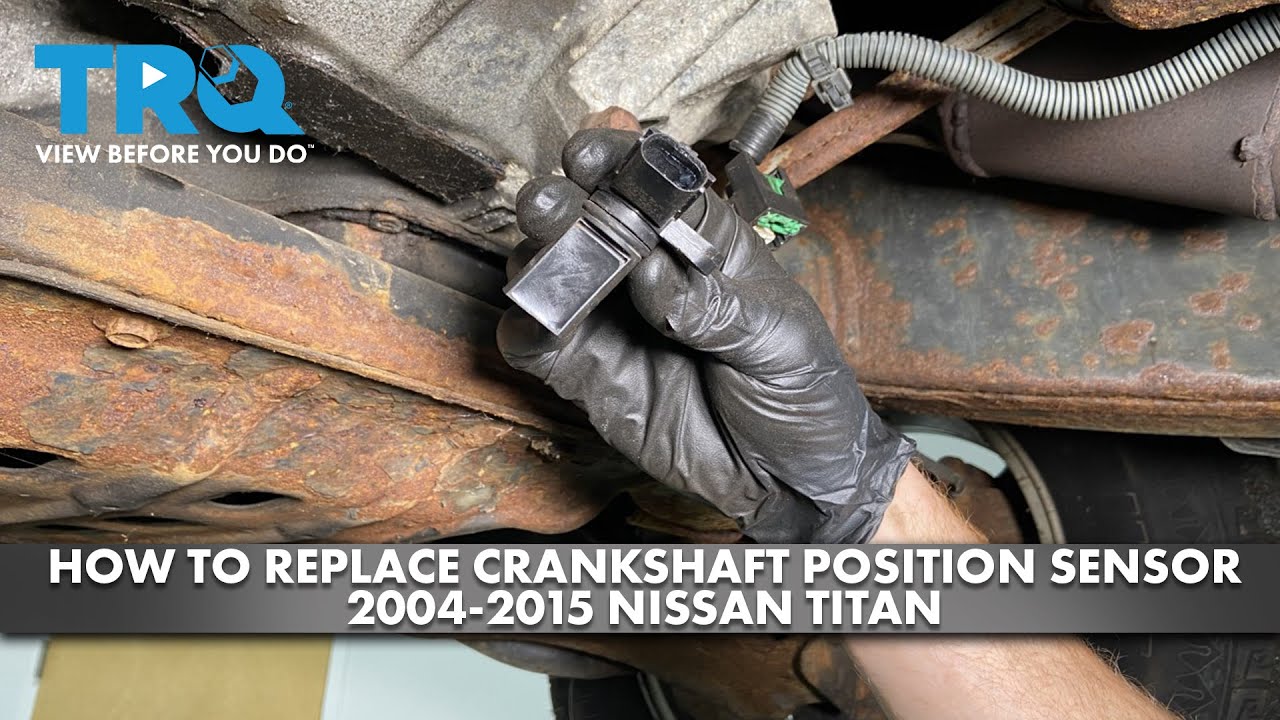
The 2018 Ford F-150, particularly those equipped with the robust 5.0L Coyote V8 engine, relies on a sophisticated network of sensors to optimize performance and ensure smooth operation. Among these critical components is the Crankshaft Position (CKP) sensor. This unassuming sensor plays a pivotal role in the engine's timing and overall functionality. This article will delve into the intricacies of the 2018 F-150 5.0L CKP sensor, exploring its function, operation, potential issues, and troubleshooting techniques.
Understanding the Crankshaft Position Sensor
At its core, the CKP sensor's primary function is to monitor the position and rotational speed of the crankshaft. This information is crucial for the Engine Control Module (ECM), also known as the Powertrain Control Module (PCM), to precisely control ignition timing and fuel injection. Without accurate crankshaft position data, the engine simply cannot operate correctly.
The 2018 F-150 5.0L typically employs a magnetic reluctance sensor, also referred to as a variable reluctance sensor (VRS). This type of sensor doesn't require an external power source to operate. Instead, it generates a voltage signal based on the movement of a toothed wheel (also called a reluctor ring or tone ring) that's attached to the crankshaft. As the teeth of the wheel pass near the sensor's magnetic pole, they disrupt the magnetic field, inducing a voltage signal in the sensor's coil. The frequency and amplitude of this signal directly correlate to the crankshaft's speed and position.
The Reluctor Ring: A Key Component
The reluctor ring is a precisely manufactured component, typically made of steel, with a specific number of teeth. This number is carefully chosen to provide the ECM with sufficient resolution for accurate timing calculations. Furthermore, a missing tooth, or a slightly wider gap, is often present on the reluctor ring. This gap serves as a reference point, allowing the ECM to identify the crankshaft's specific angular position and synchronize the engine's firing order. This reference point is critical because without it, the ECM would not know *where* the crankshaft is in its 360-degree rotation.
How the ECM Uses CKP Sensor Data
The ECM processes the signal from the CKP sensor in conjunction with data from other sensors, such as the Camshaft Position (CMP) sensor. The CMP sensor monitors the position of the camshaft, which is directly linked to the movement of the valves. By combining the information from both the CKP and CMP sensors, the ECM can precisely determine the position of the pistons and valves at any given moment.
This precise knowledge is essential for several key functions:
- Ignition Timing Control: The ECM uses the CKP sensor signal to determine when to fire the spark plugs. Advancing or retarding the ignition timing based on engine load and speed can significantly impact power output, fuel efficiency, and emissions.
- Fuel Injection Control: Similarly, the ECM controls the timing and duration of fuel injection based on the CKP sensor data. Precise fuel injection is critical for efficient combustion and minimizing emissions.
- Misfire Detection: By monitoring the consistency of the crankshaft's rotational speed, the ECM can detect misfires. A misfire occurs when one or more cylinders fail to ignite properly, resulting in a brief decrease in crankshaft speed.
- Engine Speed (RPM) Calculation: The frequency of the CKP sensor signal directly corresponds to the engine's RPM. The ECM uses this information for various purposes, including controlling the transmission, cruise control, and other vehicle systems.
Potential Problems and Symptoms
A faulty CKP sensor can lead to a variety of engine problems, ranging from minor inconveniences to complete engine failure. Some common symptoms include:
- Hard Starting or No Start Condition: If the ECM doesn't receive a valid signal from the CKP sensor, it may prevent the engine from starting altogether. This is because the ECM cannot determine the correct ignition and fuel injection timing.
- Engine Stalling: A failing CKP sensor may intermittently provide incorrect data, causing the engine to stall unexpectedly.
- Rough Idling: Incorrect timing can lead to a rough or unstable idle.
- Reduced Power and Performance: Inaccurate timing can negatively impact engine power and acceleration.
- Check Engine Light: A faulty CKP sensor will often trigger the check engine light, and a diagnostic scan will reveal a related trouble code (e.g., P0335, P0336, P0337, P0338, P0339).
It is important to note that these symptoms can also be caused by other issues, so a thorough diagnosis is essential before replacing the CKP sensor. Problems in the wiring harness connecting the sensor to the ECM can also mimic sensor failure.
Diagnosis and Testing
Diagnosing a CKP sensor problem typically involves the following steps:
- Scan for Trouble Codes: Use an OBD-II scanner to retrieve any stored trouble codes. This can provide valuable clues about the nature of the problem.
- Visual Inspection: Carefully inspect the CKP sensor and its wiring harness for any signs of damage, such as frayed wires, corrosion, or loose connections.
- Resistance Test: Using a multimeter, measure the resistance of the CKP sensor. Refer to the vehicle's service manual for the correct resistance value. A significantly higher or lower resistance reading indicates a faulty sensor.
- Voltage Test: With the engine running (if possible), use a multimeter to measure the voltage signal from the CKP sensor. The voltage should fluctuate as the crankshaft rotates. An oscilloscope can provide a more detailed view of the signal waveform.
- Signal Integrity Test: Using an oscilloscope, examine the waveform generated by the sensor. An irregular or missing waveform indicates a problem with the sensor or the reluctor ring.
- Crankshaft Reluctor Ring Inspection: In some cases, the reluctor ring itself can become damaged or dislodged, leading to CKP sensor problems. This requires a visual inspection, which may necessitate removing the sensor or using a borescope.
Replacement and Precautions
Replacing the CKP sensor is a relatively straightforward procedure, but it's essential to follow these precautions:
- Disconnect the Battery: Always disconnect the negative battery terminal before working on any electrical components.
- Locate the Sensor: The CKP sensor on the 2018 F-150 5.0L is typically located near the crankshaft pulley, often on the engine block. Refer to the vehicle's service manual for the exact location.
- Remove the Old Sensor: Disconnect the electrical connector and remove the retaining bolt or screws. Carefully remove the sensor, taking note of its orientation.
- Install the New Sensor: Install the new sensor in the same orientation as the old one. Tighten the retaining bolt or screws to the specified torque.
- Reconnect the Electrical Connector: Ensure the electrical connector is securely connected to the sensor.
- Reconnect the Battery: Reconnect the negative battery terminal.
- Clear Trouble Codes: Use an OBD-II scanner to clear any stored trouble codes.
- Verify Operation: Start the engine and verify that it runs smoothly. Monitor the engine for any signs of misfires or other problems.
Crucially, always use a high-quality replacement sensor from a reputable manufacturer. Using a cheap or unreliable sensor can lead to further problems down the road. Furthermore, double-check the connector and wiring for any corrosion or damage. Clean or repair as needed.
Conclusion
The Crankshaft Position sensor is a vital component in the 2018 Ford F-150 5.0L engine management system. Its accurate monitoring of crankshaft position and speed is essential for precise ignition timing, fuel injection control, and misfire detection. By understanding the sensor's function, potential problems, and troubleshooting techniques, you can effectively diagnose and resolve CKP sensor-related issues, ensuring the continued smooth and efficient operation of your F-150.