
2018 Ford F150 Transmission Fluid Check
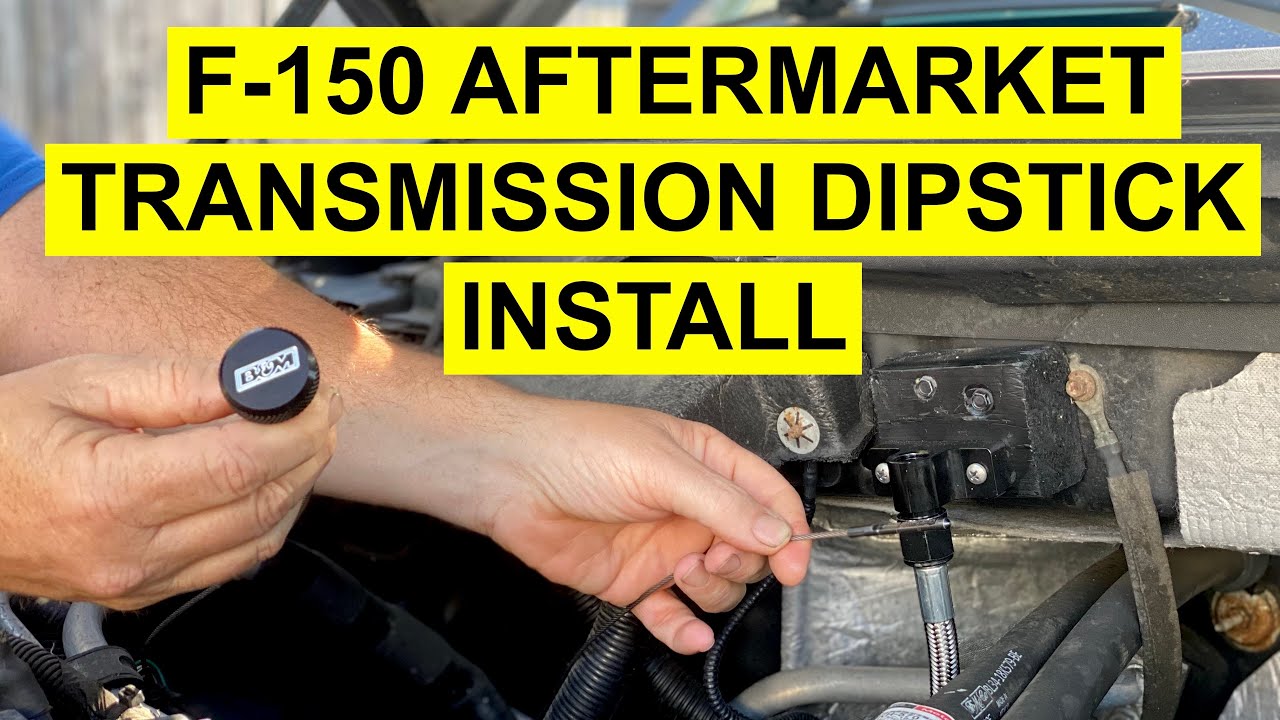
Maintaining your 2018 Ford F-150's transmission is crucial for its longevity and performance. One of the most important aspects of that maintenance is regularly checking the transmission fluid. Unlike older vehicles with a dipstick, checking the fluid level in the 2018 F-150 requires a slightly different approach. This article will guide you through the process, explaining the "why" behind each step, so you can confidently maintain your truck's transmission.
Why Transmission Fluid Matters
Think of transmission fluid as the lifeblood of your automatic transmission. It performs several critical functions:
* Lubrication: Just like engine oil, transmission fluid lubricates all the moving parts within the transmission, reducing friction and wear. Imagine the gears in a wristwatch grinding against each other without oil – that's what happens inside your transmission if the fluid isn't doing its job. * Cooling: The transmission generates a lot of heat due to friction. The fluid absorbs and dissipates this heat, preventing overheating and potential damage. Think of it like the coolant in your engine, but specifically for the transmission. * Hydraulic Pressure: Automatic transmissions rely on hydraulic pressure to engage gears. The fluid transmits this pressure, allowing the transmission to shift smoothly and efficiently. If the fluid level is low, or the fluid is degraded, shifting can become erratic or even impossible. This is similar to how a power steering system uses hydraulic fluid to assist in steering; without enough fluid, the system doesn't work properly. * Cleaning: The fluid helps to clean the transmission by carrying away debris and contaminants. Over time, these contaminants can build up and cause wear or blockages.Neglecting your transmission fluid can lead to a host of problems, including:
* Rough or erratic shifting * Slipping gears * Overheating * Transmission failureReplacing a transmission is a costly repair, so regular fluid checks are a worthwhile investment in preventative maintenance.
Understanding the 2018 F-150's Transmission
The 2018 Ford F-150 typically comes equipped with either a 6-speed or a 10-speed automatic transmission, depending on the engine configuration. Regardless of which transmission your truck has, the fluid check procedure is similar.
Unlike older vehicles, the 2018 F-150 doesn't have a traditional transmission fluid dipstick under the hood. Instead, it uses a fill plug located on the side of the transmission. Checking the fluid level involves removing this plug and seeing if fluid drips out.
The absence of a dipstick is becoming increasingly common in modern vehicles. Automakers often claim this is to reduce the risk of contamination and ensure only the correct type of fluid is used. However, it also makes fluid checks slightly more involved.
How to Check the Transmission Fluid Level on a 2018 Ford F-150
Safety First! Before starting any work on your vehicle, ensure it is parked on a level surface, the parking brake is engaged, and the engine is off. It's also a good idea to wear safety glasses and gloves.
Here's a step-by-step guide to checking the transmission fluid:
- Gather Your Tools: You'll need the following:
- Socket set (specifically the size needed for the fill plug – typically an 8mm hex or similar)
- Wrench (for the drain plug, if you choose to remove it)
- Torque wrench (for re-installing the plugs to the correct specification)
- Fluid pump or a long funnel with a flexible hose
- Clean drain pan
- Rags or shop towels
- Jack and jack stands (for safely lifting the vehicle)
- Locate the Fill Plug: This plug is usually on the side of the transmission casing. You might need to crawl under the vehicle to find it. Consult your owner's manual for the exact location.
- Warm Up the Transmission: The transmission fluid should be warm, but not hot. A good way to achieve this is to drive the truck for about 20-30 minutes before checking the fluid. This ensures the fluid is at its operating temperature. Note: Working with a hot exhaust system or transmission can cause burns, so use caution.
- Safely Lift the Vehicle: Use a jack to lift the truck and securely support it with jack stands. Never work under a vehicle supported only by a jack.
- Position the Drain Pan: Place the drain pan under the fill plug to catch any fluid that might spill out.
- Remove the Fill Plug: Carefully remove the fill plug using the appropriate socket or wrench.
- Check the Fluid Level: If fluid drips out of the fill hole, the fluid level is correct. If no fluid drips out, add fluid until it does. Use a fluid pump or a long funnel with a flexible hose to add the correct type of transmission fluid (refer to your owner's manual for the specific fluid type). A telltale sign of needing fluid added is hard shifting or slipping.
- Reinstall the Fill Plug: Once fluid is dripping out, allow any excess to drain, then reinstall the fill plug. Torque the plug to the manufacturer's specified torque using a torque wrench. Overtightening can damage the transmission casing. Refer to the owner’s manual or a repair manual for the correct torque specification.
- Lower the Vehicle: Carefully lower the vehicle.
- Clean Up: Clean up any spilled fluid and dispose of used rags properly.
Fluid Type and Condition
Using the correct type of transmission fluid is critical. Ford transmissions are designed to work with specific fluids, and using the wrong fluid can cause serious damage. Refer to your owner's manual or a reputable parts supplier to determine the correct fluid for your 2018 F-150.
The condition of the fluid is also important. Transmission fluid should be a bright red or pink color. If it's dark brown or black, or if it smells burnt, it's time to change the fluid. Even if the fluid level is correct, degraded fluid can still cause problems.
When to Consult a Professional
While checking the transmission fluid level is a relatively straightforward task, there are times when it's best to consult a professional mechanic. Consider seeking professional help if:
* You are not comfortable working under your vehicle. * You are unsure about the correct fluid type or procedure. * You notice any unusual noises or symptoms from your transmission, even after checking the fluid. * The fluid is heavily contaminated or smells burnt. * You suspect a leak in the transmission.Ignoring transmission problems can lead to costly repairs down the road. A qualified mechanic can diagnose and address any issues before they become major problems.
Practical Takeaways for F-150 Owners
* Regularly check your transmission fluid level following the steps outlined above. Aim to do this every 30,000 miles, or more frequently if you tow heavy loads or drive in harsh conditions. * Use the correct type of transmission fluid specified in your owner's manual. * Pay attention to the color and smell of the fluid. Dark or burnt fluid indicates a problem. * Don't ignore transmission symptoms. Address any issues promptly to prevent further damage. * Consider a professional transmission service every 60,000-100,000 miles, depending on your driving habits. This service typically includes a fluid and filter change. * Consult your owner's manual for the recommended maintenance schedule for your specific F-150 model.By following these guidelines, you can help ensure your 2018 Ford F-150's transmission stays in good working order for years to come. Regular maintenance is key to preventing costly repairs and keeping your truck running smoothly.