
2018 Nissan Altima Battery Size
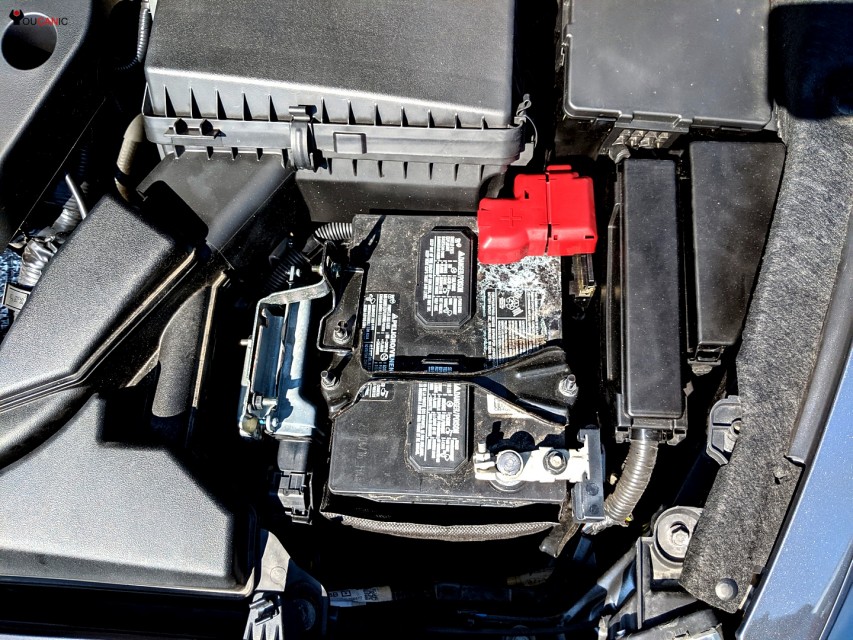
The 2018 Nissan Altima: a staple of American roads. Reliable, comfortable, and surprisingly stylish for a mid-size sedan. But let’s dive into a component often overlooked, yet crucial for performance and longevity: the battery. Understanding the battery in your 2018 Altima isn't just about knowing when it's time for a replacement; it's about optimizing performance and preventing frustrating breakdowns.
2018 Nissan Altima Battery Specifications: A Model-by-Model Breakdown
The 2018 Altima, while offering various trims and engine options, mostly sticks to a standard battery size. However, subtle differences exist, and understanding these nuances can be vital. Let's examine the battery specifications across the different models.
Battery Size (BCI Group Size) and Cold Cranking Amps (CCA)
Generally, most 2018 Altimas utilize a BCI Group Size 35 battery. However, there are exceptions based on your car's configuration and original market.
| Model/Engine | BCI Group Size (Recommended) | Cold Cranking Amps (CCA - Minimum) | Notes |
|---|---|---|---|
| 2.5L S, SR, SV, SL | 35 | 640 | Most common configuration. |
| 3.5L V6 SR, SL | 35 | 640 | V6 model uses same BCI group but may benefit from higher CCA. |
| Vehicles Sold in Colder Climates | 35 (or potentially a Group 24F) | 640+ | Dealers in colder regions often upgrade to a slightly larger battery. |
Important Note: Always consult your owner's manual or a professional mechanic to confirm the correct battery size for your specific vehicle. Using the wrong size can lead to poor performance, premature failure, or even damage to your vehicle's electrical system.
Why CCA Matters
Cold Cranking Amps (CCA) is a critical rating. It represents the battery's ability to start your car in cold weather. The higher the CCA, the better the battery's ability to provide the necessary power to crank the engine on a frigid morning. For regions with harsh winters, investing in a battery with a higher CCA rating than the minimum is a wise decision.
Real-World Driving Impressions and Battery Performance
The 2018 Altima's battery, when healthy, provides ample power for all its electrical systems. However, age, usage patterns, and environmental factors can significantly impact its performance. Here’s a look at some common scenarios:
* Daily Commuting: For most drivers, the factory-installed or equivalent replacement battery will perform admirably under normal commuting conditions. * Short Trips: Frequent short trips, especially in stop-and-go traffic, can strain the battery. The alternator might not have enough time to fully recharge the battery between starts, potentially shortening its lifespan. * Extreme Temperatures: Both extreme heat and cold can negatively affect battery performance. Heat accelerates corrosion and water loss, while cold reduces the battery's ability to produce power. * Accessory Usage: Running numerous accessories (e.g., high-powered sound systems, multiple charging devices) while the engine is off can quickly drain the battery.Pros and Cons of Different Battery Types
While the standard lead-acid battery is the most common and affordable option, exploring alternative battery technologies can offer enhanced performance and longevity.
Lead-Acid Batteries
- Pros:
- Affordable and widely available.
- Reliable starting power in most conditions.
- Cons:
- Shorter lifespan compared to AGM batteries.
- Susceptible to sulfation, which reduces performance.
- Requires regular maintenance (checking water levels in some types).
AGM (Absorbent Glass Mat) Batteries
- Pros:
- Longer lifespan than lead-acid batteries.
- Maintenance-free and spill-proof.
- Better performance in cold weather.
- More resistant to vibration.
- Cons:
- More expensive than lead-acid batteries.
- May require a different charging profile.
For a 2018 Altima owner, an AGM battery might be a worthwhile investment, especially if you live in a region with extreme temperatures or frequently make short trips. The increased lifespan and reduced maintenance can offset the higher initial cost.
Troubleshooting Common Battery Issues
Recognizing the signs of a failing battery can prevent being stranded on the side of the road. Here are some common symptoms to watch out for:
* Slow Engine Cranking: The engine takes longer than usual to start. * Dim Headlights: Headlights appear dimmer than normal, especially at idle. * Electrical Issues: Problems with power windows, locks, or other electrical components. * Check Engine Light: The check engine light may illuminate, often accompanied by a battery-related error code. * Battery Corrosion: Visible corrosion around the battery terminals.If you experience any of these symptoms, it's crucial to have your battery tested by a professional. Most auto parts stores offer free battery testing services.
Extending Your Battery's Lifespan
Proper maintenance and driving habits can significantly extend the life of your 2018 Altima's battery. Here are some tips:
* Regularly Clean Battery Terminals: Use a battery terminal cleaner to remove corrosion. * Avoid Short Trips: Take longer drives occasionally to allow the alternator to fully recharge the battery. * Turn Off Accessories: Turn off headlights, air conditioning, and other accessories when the engine is off. * Use a Battery Tender: If you don't drive your Altima frequently, use a battery tender to maintain the battery's charge. * Have Your Battery Tested Regularly: Get your battery tested at least once a year, especially before winter.Beyond the Factory Specs: Upgrading Your Altima's Power Source
For those seeking enhanced performance or requiring more power for aftermarket accessories, consider exploring larger or higher-capacity batteries. While the Group 35 is standard, some Altimas can accommodate a slightly larger Group 24F battery. However, always verify fitment and ensure the battery is securely mounted.
Important Considerations: Upgrading to a larger battery might require modifications to the battery tray or hold-down mechanism. Additionally, ensure your alternator is capable of adequately charging the larger battery. Consult a qualified mechanic before making any modifications.
In conclusion, understanding the battery requirements for your 2018 Nissan Altima is crucial for maintaining its performance and reliability. By paying attention to battery size, CCA rating, and maintenance, you can avoid unexpected breakdowns and ensure your Altima continues to provide years of dependable service.
Fun Fact: Did you know that the optimal battery temperature for peak performance is around 80°F (27°C)? This is why batteries often struggle in extreme heat or cold. Now, let's hear your thoughts: Would you splurge on an AGM battery for your Altima, or stick with the trusty lead-acid? Sound off in the comments below! And for the V6 Altima owners out there: Have you noticed any significant difference in battery life compared to the 2.5L models? Let's get the debate started!