
2018 Nissan Sentra Cvt Transmission
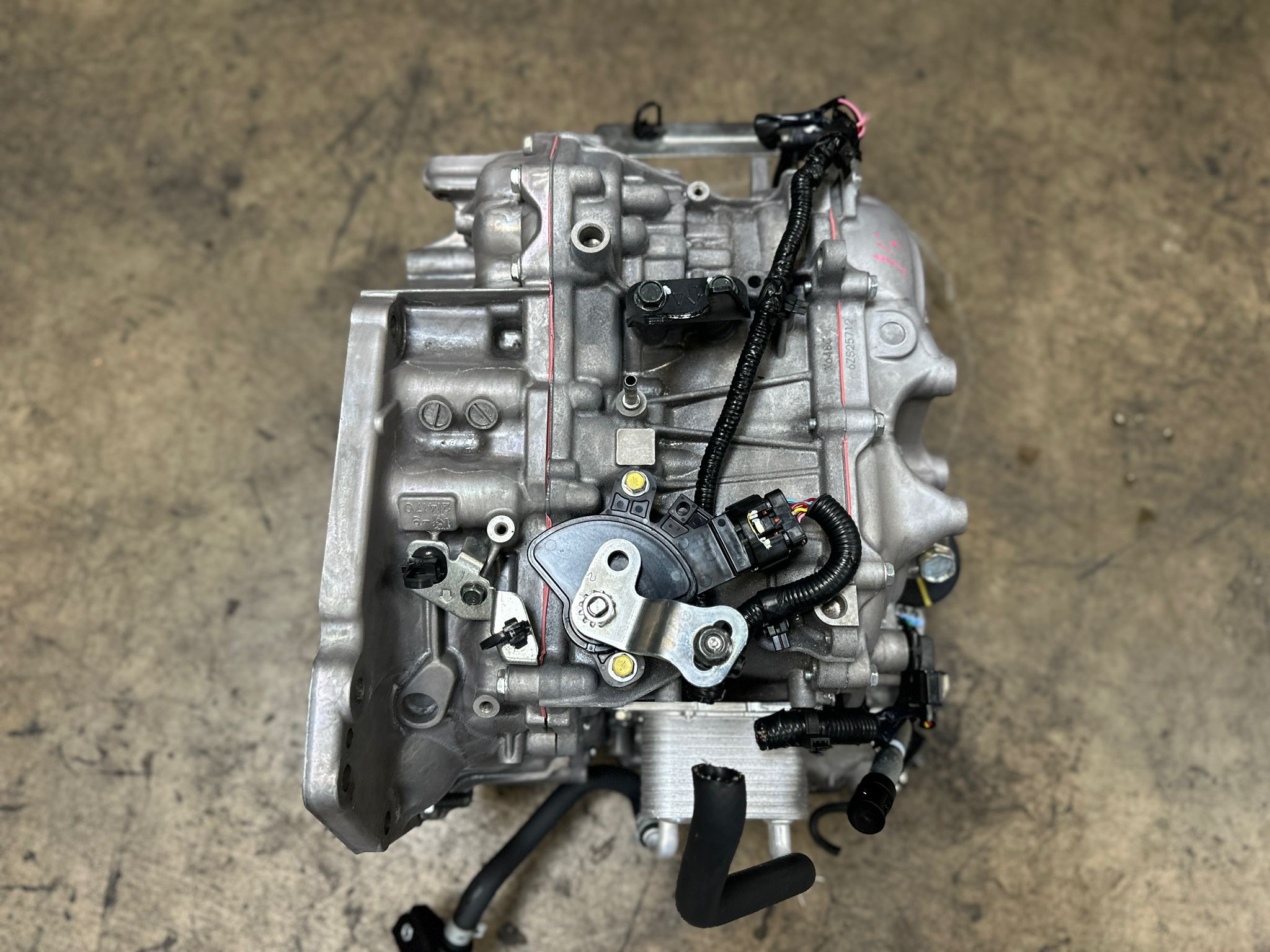
The 2018 Nissan Sentra, like many modern vehicles, utilizes a Continuously Variable Transmission (CVT). While CVTs offer fuel efficiency and smooth acceleration, they also have unique maintenance and troubleshooting needs. This article provides a practical guide for car owners and mechanics on how to keep the 2018 Sentra's CVT in optimal condition.
CVT Maintenance: Keeping it Running Smoothly
Preventive maintenance is crucial for extending the life of your 2018 Sentra's CVT. The single most important maintenance item is regular fluid changes.
Fluid Changes: The Lifeblood of Your CVT
Nissan recommends a specific CVT fluid, typically NS-3. Using the wrong fluid can cause serious damage. The recommended interval for fluid changes varies depending on driving conditions. For normal driving, every 60,000 miles is a good starting point. However, if you frequently tow, drive in heavy traffic, or experience extreme temperatures, shorten this interval to 30,000 miles.
Problem: Neglecting fluid changes leads to fluid degradation, causing internal wear and eventual transmission failure.
Solution: Adhere to a strict fluid change schedule using the correct Nissan NS-3 CVT fluid. Consider changing the fluid more frequently if you drive in harsh conditions. Document all fluid changes for future reference.
The process of changing the CVT fluid isn't as straightforward as a traditional automatic transmission. It often involves specific procedures to ensure proper fluid level. Consult your owner's manual or a trusted mechanic for guidance. Some mechanics recommend a full flush of the system, while others prefer a drain and refill. Both methods have their pros and cons. A full flush requires specialized equipment and ensures all the old fluid is removed, but it also carries a small risk of dislodging debris and causing problems. A drain and refill is simpler but doesn't remove all the old fluid.
Inspecting for Leaks
Regularly inspect the area around the transmission for leaks. CVT fluid leaks can lead to low fluid levels, which can cause the transmission to overheat and fail.
Problem: Low CVT fluid level due to leaks.
Solution: Visually inspect the transmission case, seals, and hoses for signs of leaks. Address any leaks promptly by replacing faulty seals or hoses. Regularly check the CVT fluid level (using the correct procedure outlined in the owner's manual) to ensure it's within the specified range.
Troubleshooting Common CVT Issues
Even with proper maintenance, CVT problems can arise. Here are some common symptoms, causes, and solutions:
Symptom: Shuddering or Jerking During Acceleration
Problem: This is a common complaint with CVTs, and it can be caused by several factors, including:
- Degraded CVT fluid
- Worn or damaged CVT belt or chain
- Faulty valve body
- Software issues
Solution:
- Start by changing the CVT fluid. This is the simplest and often the most effective solution.
- If the shuddering persists, have a mechanic inspect the CVT belt or chain for wear or damage. Replacement may be necessary.
- A faulty valve body can also cause shuddering. This requires specialized diagnostic equipment and repair skills.
- Check for any available software updates for the transmission control module (TCM). These updates can sometimes address shuddering issues.
Similar issues can occur in other Nissan models with CVTs, such as the Rogue or Altima. The troubleshooting steps are generally the same, starting with fluid changes and progressing to more complex diagnostics.
Symptom: Whining or Grinding Noises
Problem: These noises often indicate internal wear or damage to the CVT components, such as bearings or gears. Low fluid levels can also contribute to these noises.
Solution:
- Check the CVT fluid level immediately. If it's low, add fluid and inspect for leaks.
- If the noise persists, have a mechanic inspect the transmission for internal damage. This may involve removing the transmission for a thorough inspection.
- In severe cases, a transmission rebuild or replacement may be necessary.
Symptom: Hesitation or Delay in Acceleration
Problem: This can be caused by:
- Low CVT fluid level
- Faulty sensors (e.g., speed sensors)
- Valve body issues
- Internal damage
Solution:
- Check the CVT fluid level and top off if necessary.
- Have a mechanic scan the vehicle's computer for any error codes related to the transmission sensors. Replace any faulty sensors.
- Inspect the valve body for proper operation.
- If the problem persists, internal damage may be the cause, requiring a more in-depth inspection.
Symptom: Transmission Slipping
Problem: CVT slipping occurs when the engine revs up, but the vehicle doesn't accelerate as expected. This often indicates severe internal wear or damage to the CVT belt or chain.
Solution:
- This is often a sign of significant internal damage and may require a transmission rebuild or replacement.
- Before resorting to a complete overhaul, ensure that the correct CVT fluid level is present and that there are no external leaks.
Real-World Issues and Solutions
Many 2018 Nissan Sentra owners have reported issues with their CVTs, particularly as the vehicles age. Here are some real-world examples and potential solutions:
* Example: A Sentra owner reports experiencing shuddering at low speeds after 80,000 miles. The fluid was changed at 60,000 miles. * Solution: A second fluid change might resolve the issue. However, it's also possible that the CVT belt is starting to wear and will eventually need replacement. A mechanic can assess the belt's condition. * Example: A Sentra owner experiences a complete transmission failure at 120,000 miles, despite following the recommended maintenance schedule. * Solution: Unfortunately, CVTs are sometimes prone to premature failure, even with proper maintenance. A transmission rebuild or replacement is likely the only option. Consider a used transmission from a reputable source to save money. * Example: A Sentra owner notices a delay in acceleration and a slight whining noise. * Solution: Check the CVT fluid level immediately. If it's low, investigate for leaks. If the fluid level is correct, have a mechanic check for any sensor issues or internal damage.Preventative Measures: Keeping Your CVT Healthy
Here are some additional tips to help prolong the life of your 2018 Sentra's CVT:
* Avoid aggressive driving: Harsh acceleration and braking put extra stress on the CVT. Drive smoothly and avoid sudden changes in speed. * Don't overload the vehicle: Exceeding the vehicle's weight capacity can strain the transmission. * Regular inspections: Have a trusted mechanic inspect the transmission during routine maintenance. Early detection of problems can prevent costly repairs. * Monitor for unusual noises or vibrations: Pay attention to any unusual sounds or sensations coming from the transmission. Address any concerns promptly. * Consider an aftermarket transmission cooler: If you frequently tow or drive in hot climates, an aftermarket transmission cooler can help keep the CVT fluid temperature down, which can extend its lifespan.Conclusion
The 2018 Nissan Sentra's CVT requires careful maintenance and attention. By following the recommended fluid change schedule, inspecting for leaks, and addressing any problems promptly, you can help ensure the longevity of your transmission. Remember, a proactive approach to maintenance is always the best way to keep your car in top condition and avoid costly repairs down the road. If you're not comfortable performing these tasks yourself, always consult with a qualified mechanic who is familiar with CVTs.