
2021 Chevy Tahoe Fuel Pump Control Module
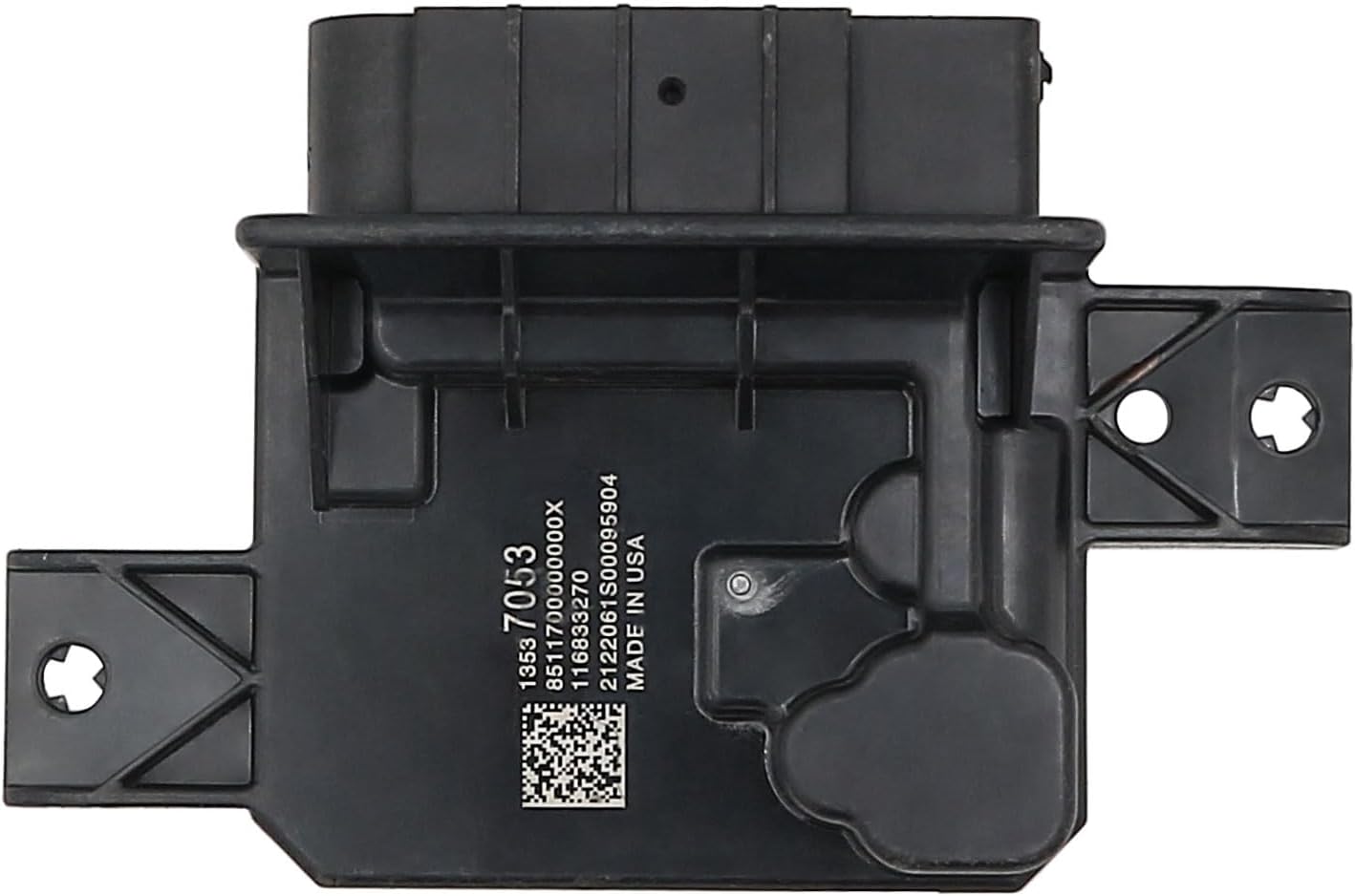
The 2021 Chevrolet Tahoe, a cornerstone of GM's full-size SUV lineup, saw a significant redesign that year. While much attention was given to the exterior styling and interior enhancements, a critical component that often goes unnoticed yet plays a vital role in the vehicle's performance and efficiency is the fuel pump control module (FPCM). This article delves into the technical specifications, engineering choices, real-world performance, and reliability aspects of the 2021 Tahoe's FPCM, comparing it to alternatives and offering valuable maintenance tips for automotive professionals.
Technical Specifications and Engineering Choices
The FPCM's primary function is to regulate the voltage supplied to the fuel pump, thereby controlling the fuel flow rate based on engine demand. The 2021 Tahoe typically employs a PWM (Pulse Width Modulation) controlled FPCM. This system allows for precise adjustment of the fuel pump speed, optimizing fuel delivery for various driving conditions. Key specifications include:
- Input Voltage: Typically 12-14 VDC (vehicle battery voltage)
- Output Voltage: Variable, typically ranging from 6 VDC to battery voltage
- PWM Frequency: Can vary, but generally falls within the 100-500 Hz range. This is a crucial parameter for diagnostic purposes.
- Communication Protocol: CAN (Controller Area Network) bus for communication with the ECM (Engine Control Module) and other vehicle systems. This allows for real-time monitoring and control.
- Operating Temperature Range: -40°C to +85°C, ensuring reliable operation in extreme conditions.
GM's engineering choices regarding the FPCM location and design are driven by factors such as heat management, accessibility, and cost. Typically, the FPCM is located within the vehicle, often near the fuel tank or along the frame rail. This location provides some protection from the elements but can also expose the module to heat from the exhaust system. The module itself is typically housed in a sealed enclosure to protect the internal electronics from moisture and debris. The choice of MOSFETs (Metal-Oxide-Semiconductor Field-Effect Transistors) within the FPCM is critical for efficient and reliable voltage regulation. Higher-quality MOSFETs with lower on-resistance (RDS(on)) minimize heat generation and improve overall efficiency.
Real-World Performance and Comparison with Alternatives
The PWM-controlled FPCM in the 2021 Tahoe offers several advantages over older, simpler fuel pump control methods, such as relying solely on a relay. These advantages include:
- Improved Fuel Efficiency: By precisely controlling fuel delivery, the FPCM helps to minimize fuel waste and optimize engine performance.
- Reduced Fuel Pump Noise: Running the fuel pump at lower speeds during low-demand situations reduces noise.
- Extended Fuel Pump Life: Lower operating speeds reduce wear and tear on the fuel pump, potentially extending its lifespan.
- Enhanced Diagnostics: The CAN bus communication allows for comprehensive diagnostic capabilities, enabling technicians to quickly identify and resolve fuel system issues.
Alternative designs might include simpler voltage reduction circuits, but these lack the precision and efficiency of a PWM-controlled system. Direct voltage regulation, while simpler, results in significant energy waste, generating more heat and potentially reducing fuel pump lifespan. Moreover, such systems lack the sophisticated diagnostic capabilities offered by CAN-based FPCMs. Some aftermarket solutions might prioritize cost over performance, using lower-quality components that compromise reliability and efficiency. Comparing the 2021 Tahoe's FPCM to older systems or less sophisticated alternatives reveals the significant advancements in fuel system control technology.
Reliability Aspects and Maintenance Tips
While generally reliable, the FPCM can be susceptible to failures due to factors such as:
- Overheating: Excessive heat can damage the internal components, leading to malfunction. Ensuring proper ventilation and addressing any nearby exhaust leaks is crucial.
- Moisture Intrusion: Although sealed, the enclosure can sometimes fail, allowing moisture to corrode the internal electronics. Inspecting the module for signs of damage or corrosion is essential.
- Voltage Spikes: Electrical surges can damage the sensitive electronic components within the module. Proper battery maintenance and addressing any charging system issues can help prevent this.
- Wiring Issues: Damaged or corroded wiring can disrupt communication and power supply, leading to FPCM failure. Thoroughly inspect all wiring and connectors.
Maintenance tips for automotive professionals:
- Regularly inspect the FPCM and its wiring for signs of damage or corrosion.
- Use a diagnostic scan tool to check for any fuel system-related DTCs (Diagnostic Trouble Codes). Pay close attention to codes related to fuel pump control or voltage regulation.
- When replacing the FPCM, use only high-quality OEM or equivalent parts. Avoid using cheap aftermarket parts, as they may not meet the required specifications and could lead to premature failure.
- Ensure proper grounding of the FPCM. A poor ground connection can cause erratic behavior and damage to the module.
- When performing fuel system repairs, take precautions to prevent fuel spills and ensure proper ventilation.
Future Trends
Future trends in FPCM technology are likely to include:
- Increased Integration: Integrating the FPCM with other vehicle systems, such as the ECM and fuel tank pressure sensor, to provide more comprehensive fuel system management.
- Advanced Diagnostics: Incorporating more sophisticated diagnostic algorithms to detect and predict potential failures before they occur.
- Improved Efficiency: Utilizing more efficient switching technologies, such as GaN (Gallium Nitride) transistors, to reduce heat generation and improve overall efficiency.
- Cybersecurity Enhancements: Implementing robust security measures to protect the FPCM from unauthorized access and manipulation.
Conclusion
The 2021 Chevy Tahoe's fuel pump control module represents a significant advancement in fuel system management. Its PWM-based design offers improved fuel efficiency, reduced noise, and enhanced diagnostics. While generally reliable, proper maintenance and attention to potential failure points are crucial for ensuring long-term performance. As the automotive industry continues to evolve, we can expect further advancements in FPCM technology, driven by the need for increased efficiency, improved diagnostics, and enhanced security. The shift towards electric vehicles is also influencing fuel system designs, demanding innovative control strategies for hybrid and fuel cell applications. This evolution requires automotive professionals to stay informed about the latest technologies and best practices to effectively diagnose and repair these complex systems. The future automotive landscape will require a deep understanding of both traditional and emerging technologies, placing a premium on continuous learning and adaptation.