
2023 Nissan Frontier Dashboard Symbols
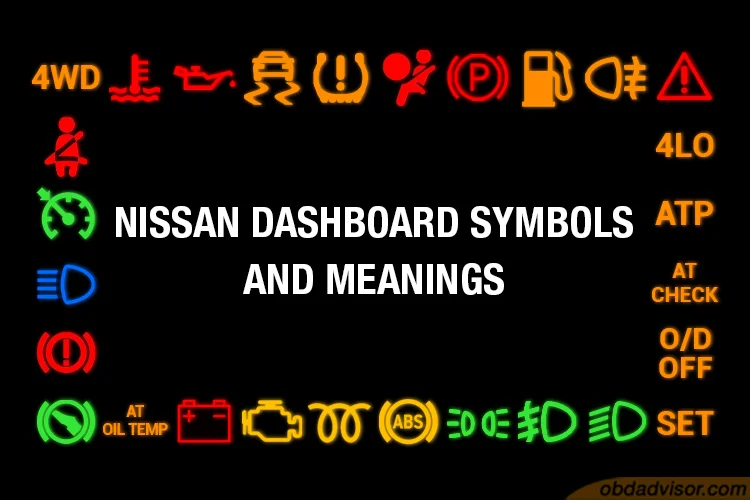
The 2023 Nissan Frontier represents a significant step forward for the mid-size truck, building upon a robust foundation while incorporating modern technologies and designs. Understanding the information conveyed through its dashboard symbols is crucial for both drivers and automotive professionals. This article delves into the technical specifications, engineering considerations, and real-world performance implications of the 2023 Frontier's dashboard warning and indicator lights.
Dashboard Symbol Overview
The 2023 Frontier, like most modern vehicles, utilizes a combination of warning and indicator lights to communicate the vehicle's status and alert the driver to potential problems. These symbols are generally standardized across the automotive industry, but Nissan may employ unique variations or combinations to provide more specific information. Understanding these symbols is critical for proper vehicle operation and maintenance.
Warning Lights
Warning lights are typically red or amber/yellow in color and indicate a potentially serious issue requiring immediate attention. Examples include:
- Engine Malfunction Indicator Lamp (MIL): Commonly known as the "check engine light," this indicates a problem within the engine management system. This could range from a loose gas cap to a failing oxygen sensor or catalytic converter. Technical specifics can involve a wide range of diagnostic trouble codes (DTCs) that technicians must interpret using scan tools.
- Brake System Warning Light: Indicates a problem with the braking system, such as low brake fluid, a malfunctioning ABS system, or a problem with the brake booster. This light is critical and should never be ignored.
- Battery Warning Light: Signals a problem with the charging system. This could be a failing alternator, a loose battery cable, or a problem with the voltage regulator.
- Oil Pressure Warning Light: Indicates critically low oil pressure, which can cause severe engine damage. Immediate action is required to avoid catastrophic failure.
- Airbag Warning Light: Signals a problem with the airbag system, meaning the airbags may not deploy in an accident.
- Tire Pressure Monitoring System (TPMS) Warning Light: Indicates that one or more tires have significantly low pressure. Maintaining proper tire pressure is crucial for fuel efficiency, handling, and tire life.
Indicator Lights
Indicator lights are typically green, blue, or white and indicate that a specific system is active or functioning normally. Examples include:
- Headlight Indicator: Shows when the headlights are turned on.
- Turn Signal Indicators: Indicate which turn signal is active.
- Cruise Control Indicator: Signals that the cruise control system is engaged.
- Fog Light Indicator: Shows when the fog lights are turned on.
- Four-Wheel Drive (4WD) Indicator: Indicates when the vehicle is in 4WD mode.
- Seatbelt Reminder Light: This acts as both an indicator and a warning, reminding occupants to fasten their seatbelts.
Engineering Choices and Technical Specifications
Nissan's engineering choices for dashboard symbols reflect industry standards and regulatory requirements. The use of standardized symbols ensures that drivers can quickly and easily understand the meaning of each light, regardless of their familiarity with the specific vehicle. The technical specifications of the lighting system itself involve the use of LEDs for illumination, which are more energy-efficient and have a longer lifespan than traditional incandescent bulbs. The CAN (Controller Area Network) bus system is integral to the functioning of these indicators. Sensors throughout the vehicle transmit data to the ECU (Engine Control Unit), which then activates or deactivates the appropriate dashboard symbols. Error messages are coded and stored in the ECU, accessible via OBD-II diagnostic tools.
The 2023 Frontier's instrument cluster utilizes a combination of analog gauges and a digital information display. This display can provide more detailed information about vehicle systems and can be customized to show specific data based on driver preferences. This hybrid approach balances tradition with modern technology, offering a user-friendly interface.
Real-World Performance and Troubleshooting
In real-world scenarios, the effectiveness of dashboard symbols depends on several factors, including the driver's familiarity with the symbols, the clarity of the symbols themselves, and the responsiveness of the system. A delayed or inaccurate warning light can have serious consequences.
Troubleshooting Common Issues:
- Check Engine Light: Requires a scan tool to read the DTCs stored in the ECU. Common causes include faulty oxygen sensors, catalytic converter issues, and evaporative emission system leaks.
- TPMS Light: Check tire pressures and ensure all sensors are functioning correctly. A faulty sensor may need to be replaced or recalibrated.
- ABS Light: Check wheel speed sensors, ABS module, and hydraulic unit. A diagnostic scan is necessary to pinpoint the exact problem.
- Battery Light: Test the battery and charging system. A failing alternator is a common culprit.
Comparison with Alternatives
Compared to other mid-size trucks like the Toyota Tacoma, Chevrolet Colorado, and Ford Ranger, the 2023 Nissan Frontier's dashboard symbol system is fairly standard. Toyota often emphasizes simplicity and proven reliability, while Ford and Chevrolet may incorporate more advanced digital displays and customizable interfaces. However, the fundamental function of conveying critical vehicle information remains consistent across these brands.
Pros of the 2023 Frontier's System:
- Clear and easy-to-understand symbols.
- Reliable LED illumination.
- Integration with the CAN bus system for accurate and timely alerts.
- Hybrid analog/digital display offers a balance of tradition and modern technology.
Cons of the 2023 Frontier's System:
- The digital display could be more customizable, offering more detailed information.
- Some drivers may prefer a fully digital instrument cluster.
Reliability Aspects and Maintenance Tips
The reliability of the dashboard symbol system depends on the overall reliability of the vehicle's sensors and electrical system. Regular maintenance, such as checking fluid levels, inspecting wiring harnesses, and replacing worn components, can help prevent problems that trigger warning lights.
Maintenance Tips:
- Regularly check fluid levels (oil, coolant, brake fluid, power steering fluid).
- Inspect tires for proper inflation and wear.
- Have the battery tested periodically.
- Address any warning lights promptly. Ignoring warning lights can lead to more serious and costly repairs.
- Use a quality scan tool to diagnose any check engine light issues.
Future Trends
The automotive industry is moving towards more sophisticated and integrated dashboard displays. Future trends include:
- Larger, fully digital instrument clusters: These displays can provide a wealth of information and can be customized to suit individual driver preferences.
- Augmented reality (AR) displays: AR technology can project information onto the windshield, providing drivers with real-time data about the road ahead.
- Over-the-air (OTA) updates: Software updates can improve the functionality of the dashboard display and add new features.
- Integration with mobile apps: Drivers can use their smartphones to monitor vehicle health, receive alerts, and schedule maintenance.
- Advanced Driver-Assistance Systems (ADAS) Integration: Enhanced visual warnings tied to ADAS features like lane departure warning or blind spot monitoring.
These advancements aim to improve driver awareness, enhance safety, and provide a more personalized driving experience. However, it's crucial that these technologies are implemented in a way that is intuitive and easy to use, without overwhelming the driver with information.
Conclusion
The 2023 Nissan Frontier's dashboard symbols play a crucial role in communicating vehicle status and alerting drivers to potential problems. While the system is generally reliable and effective, it's essential for drivers and automotive professionals to understand the meaning of each symbol and to address any warning lights promptly. As the automotive industry continues to evolve, dashboard displays will become more sophisticated and integrated, offering a wealth of information and enhancing the overall driving experience. This increased complexity will require technicians to possess advanced diagnostic skills and a thorough understanding of vehicle electronics.
The future of the automotive industry is undoubtedly electric, autonomous, and connected. The dashboard, as the primary interface between the driver and the vehicle, will continue to evolve to meet the demands of these new technologies. We can expect to see more personalized and intuitive displays that provide drivers with the information they need to stay safe and informed on the road. The key will be to strike a balance between providing advanced features and maintaining a user-friendly experience, ensuring that drivers can easily understand and utilize the information presented to them.