
2025 Nissan Frontier King Cab
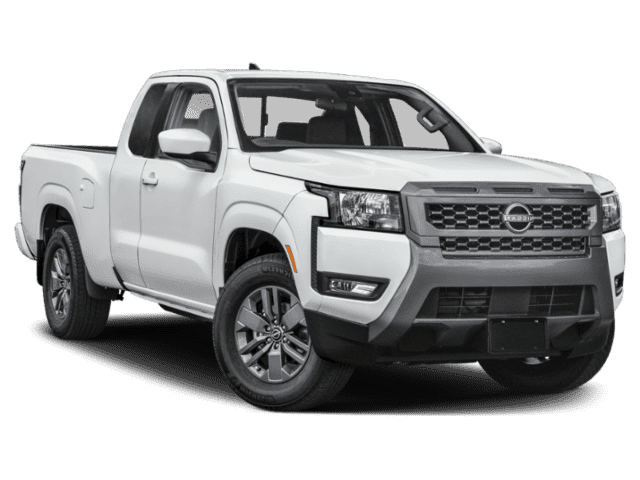
Welcome, 2025 Nissan Frontier King Cab owner! We understand you're probably here because you're experiencing a hiccup or two with your trusty truck. Don't worry, it happens to the best of us, and often, these issues are common and manageable with a little know-how. This guide aims to help you troubleshoot some of the more frequent problems Frontier King Cab owners encounter, offering potential solutions and practical advice along the way.
Common Issues and Troubleshooting for Your 2025 Frontier King Cab
1. The Dreaded "Check Engine" Light
Ah yes, the infamous "Check Engine" light. It can mean anything from a loose gas cap to a more serious engine malfunction. The key is to not panic. Here's what to do:
- Step 1: Check the Gas Cap: Make sure it's tightened properly. A loose gas cap can cause a pressure leak in the fuel system, triggering the light. Reset the light by disconnecting the negative battery cable for 15 minutes, then reconnecting.
- Step 2: Scan the Code: The best way to diagnose the problem accurately is to use an OBD-II scanner. You can purchase one yourself (prices range from $30 to $200) or visit an auto parts store like AutoZone or Advance Auto Parts. They'll often scan the code for free. Write down the code! It'll start with a letter (usually 'P') followed by four numbers.
- Step 3: Interpret the Code: Once you have the code, you can search online for its meaning. Resources like OBD-Codes.com are very helpful. Here are some common codes and potential causes:
- P0420 (Catalytic Converter Efficiency Below Threshold): This could indicate a failing catalytic converter (a costly repair, generally between $500-$1500) or issues with the oxygen sensors.
- P0171/P0174 (System Too Lean): This suggests that the engine is not receiving enough fuel. Potential causes include a vacuum leak, a faulty mass airflow (MAF) sensor (replacement cost around $150-$300), or a clogged fuel filter (replacement cost around $30-$80).
- P0300-P0308 (Random/Specific Cylinder Misfire): Misfires can be caused by faulty spark plugs (replacement cost $5-$15 per plug), ignition coils (replacement cost $50-$150 per coil), fuel injectors, or even compression issues.
- Step 4: Implement the Solution: Based on the code and your research, attempt the appropriate repair. Start with the simplest and cheapest fixes first (like spark plugs or a loose vacuum hose) before tackling more complex issues.
- Important Note: If you're not comfortable working on your engine, it's best to take your Frontier to a qualified mechanic. Ignoring a "Check Engine" light can lead to more serious and expensive problems down the road. A diagnostic check at a shop usually costs between $80 and $150.
2. Transmission Troubles: Shifting Hard or Slipping Gears
A smooth-shifting transmission is crucial for a comfortable driving experience. If you're experiencing hard shifts, slipping gears, or unusual noises from your transmission, it's time to investigate. Here's a breakdown of possible causes:
- Check the Transmission Fluid Level: This is the first and easiest step. Refer to your owner's manual for the correct procedure to check the fluid level. Low fluid can cause all sorts of transmission problems. Add the correct type of transmission fluid as needed (typically a Nissan-specific fluid).
- Inspect the Transmission Fluid Condition: The fluid should be bright red and relatively clear. If it's dark brown or black and smells burnt, it's a sign of serious transmission wear and tear. A transmission fluid flush and filter change (costing between $150 and $300) might help in some cases, but it's often a temporary fix.
- Faulty Solenoids: Transmission solenoids control the flow of fluid within the transmission. A failing solenoid can cause shifting problems. Diagnosis often requires a scan tool that can read transmission codes. Solenoid replacement can range from $200 to $600, depending on the solenoid and labor.
- Internal Transmission Damage: Unfortunately, hard shifting or slipping gears can also indicate internal damage to the transmission, such as worn clutches or damaged gears. In this case, a transmission rebuild or replacement is often necessary. This is a significant expense, ranging from $2500 to $5000.
- Recommendation: For transmission issues, it's generally recommended to consult a qualified transmission specialist. They have the expertise and equipment to accurately diagnose the problem and recommend the best course of action.
3. Brake Issues: Squealing, Grinding, or Reduced Stopping Power
Brakes are obviously essential for safety. If you're experiencing any brake-related issues, don't delay in addressing them.
- Squealing Brakes: This is often caused by worn brake pads. The squealing is usually a warning indicator built into the pads. Replacing the brake pads is a relatively straightforward repair (costing between $100 and $300 per axle, depending on parts and labor). Tools needed: jack, jack stands, lug wrench, socket set, brake caliper tool.
- Grinding Brakes: This is a more serious issue, indicating that the brake pads are completely worn down and the metal backing plate is rubbing against the brake rotor. This can damage the rotors, requiring replacement. Brake rotor replacement adds significantly to the cost (total repair cost could be $300-$600 per axle). Don't drive with grinding brakes any longer than absolutely necessary.
- Reduced Stopping Power: This could be caused by several factors, including worn brake pads, air in the brake lines, a leaking brake master cylinder, or a faulty brake booster.
- Spongy Brake Pedal: Air in the brake lines is a common culprit. Bleeding the brakes can resolve this issue (requires brake fluid and a helper). A faulty master cylinder or brake booster will require replacement, which are more involved repairs.
- ABS Light On: A lit ABS (Anti-lock Braking System) light indicates a problem with the ABS system. This could be a faulty wheel speed sensor, a problem with the ABS module, or a wiring issue. Diagnosis often requires a scan tool that can read ABS codes. Repair costs can vary widely depending on the cause.
- Safety First: Because brake problems directly affect your safety, it's always best to have a qualified mechanic inspect and repair your brakes. Don't attempt repairs if you're not comfortable working on brake systems.
4. Electrical Gremlins: Dead Battery, Faulty Lights, or Malfunctioning Accessories
Electrical problems can be frustrating to diagnose and fix. Here are some common electrical issues you might encounter:
- Dead Battery: This could be caused by a variety of factors, including leaving the lights on, a parasitic drain (something drawing power even when the vehicle is off), a faulty alternator, or an old battery.
- Testing the Battery: Have the battery tested at an auto parts store. They can tell you if it's holding a charge properly. A new battery typically costs between $100 and $250.
- Checking the Alternator: The alternator is responsible for charging the battery while the engine is running. A faulty alternator can cause the battery to drain. An auto parts store can also test your alternator. Alternator replacement usually costs between $200 and $400.
- Parasitic Drain: If your battery keeps dying even after replacing it, you might have a parasitic drain. This requires systematically checking fuses to identify the circuit that's drawing excessive power. This is a more complex diagnosis and may require the help of a professional.
- Faulty Lights: Check the bulbs first. If the bulb is good, check the fuse. If the fuse is blown, replace it with a fuse of the same amperage. If the fuse keeps blowing, there's likely a short circuit in the wiring.
- Malfunctioning Accessories: Issues with power windows, door locks, or the radio could be caused by blown fuses, faulty switches, or wiring problems. Check the fuses first. If the fuses are good, you may need to trace the wiring to identify the problem.
- Tools Needed: Multimeter, test light, wiring diagram (available online or in a repair manual).
5. Suspension and Steering Issues: Noises, Poor Handling, or Uneven Tire Wear
Your Frontier's suspension and steering systems are critical for ride comfort and handling. Here are some common problems:
- Noises (Clunking, Squeaking): These noises can indicate worn-out suspension components, such as ball joints, tie rod ends, bushings, or shocks/struts.
- Poor Handling: Loose or worn suspension components can cause the vehicle to feel unstable, especially when cornering.
- Uneven Tire Wear: This is a telltale sign of alignment problems or worn suspension components.
- Alignment: A professional wheel alignment is essential after replacing any suspension components. Alignment typically costs between $75 and $150.
- Shocks/Struts: Worn shocks or struts can cause a bouncy ride and reduced handling. Replacement costs vary depending on the type of shock/strut (around $100-$300 per corner, plus labor).
- Ball Joints/Tie Rod Ends: These components connect the suspension to the wheels. Worn ball joints or tie rod ends can cause play in the steering and clunking noises. Replacement costs vary (around $150-$400 per side, plus labor).
- Recommendation: Have a qualified mechanic inspect your suspension and steering systems if you notice any unusual noises, poor handling, or uneven tire wear. They can accurately diagnose the problem and recommend the appropriate repairs.
Remember: This guide provides general information and potential solutions. Always consult your owner's manual and/or a qualified mechanic for specific diagnoses and repair procedures. Safety is paramount when working on your vehicle. Always use jack stands when lifting your vehicle, and disconnect the negative battery cable before working on any electrical components. Good luck, and happy motoring!