
3 Inch Lift Kit For Nissan Frontier
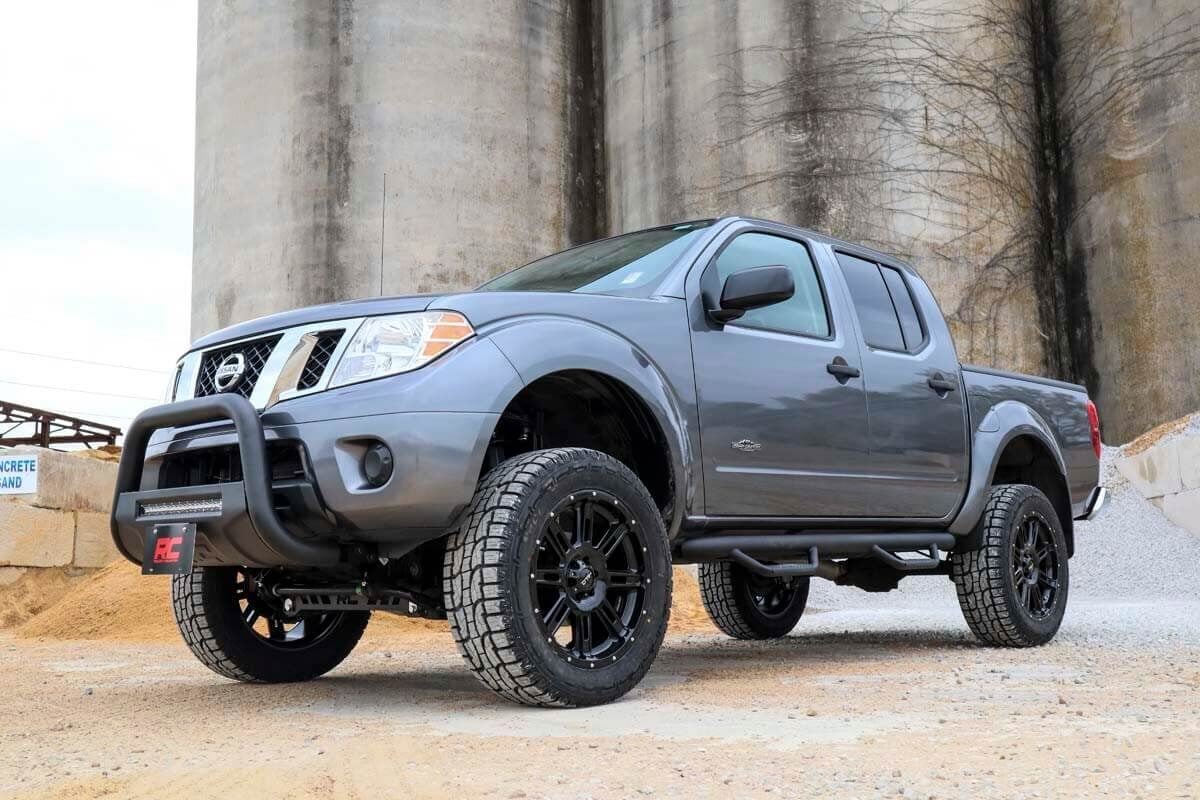
Installing a 3-inch lift kit on your Nissan Frontier can significantly enhance its off-road capabilities and give it a more aggressive look. However, it's crucial to understand the implications of this modification on maintenance, troubleshooting, and potential real-world issues. This article provides practical advice for both car owners and mechanics dealing with lifted Frontiers.
Maintenance Considerations After a 3-Inch Lift
Lifting your Frontier alters its geometry, placing increased stress on various components. Regular maintenance becomes even more critical. Here are some key areas to focus on:
Driveline Angles and Vibration
Problem: One of the most common issues after a lift is driveline vibration. This usually manifests as a noticeable shudder or humming noise, especially at higher speeds. The vibration may also be felt through the floorboard or steering wheel.
Symptom: Vibration felt at speeds above 40 mph. Noticeable humming or shuddering.
Cause: The lift increases the angles of the driveshaft(s), causing U-joints to bind or operate outside their designed range. This is more pronounced on 2WD models or those with a single-piece driveshaft.
Solution:
- Install a Carrier Bearing Drop Kit: This lowers the carrier bearing (if equipped) to reduce the driveshaft angle. This is typically necessary on longer wheelbase models.
- Use a Transfer Case Drop Kit: This kit lowers the transfer case, again reducing the driveline angles.
- Replace the Driveshaft: In some cases, the best solution is a custom driveshaft with CV joints instead of U-joints. CV joints can handle larger angles with less vibration.
- Check and Replace U-Joints: Increased stress can cause premature wear on U-joints. Inspect them regularly and replace them if you find any play or stiffness.
Example: On a lifted Toyota Tacoma, similar driveline vibrations are often resolved using carrier bearing drop kits or by replacing the factory driveshaft with a custom one.
Suspension Components
Problem: Premature wear of ball joints, tie rod ends, and other suspension components.
Symptom: Squeaking or popping noises from the suspension. Loose steering. Uneven tire wear.
Cause: Increased angle on ball joints and tie rod ends reduces their lifespan. Also, the taller ride height can increase body roll, putting more stress on these components during cornering.
Solution:
- Regular Inspection: Visually inspect ball joints, tie rod ends, and other suspension components at every oil change. Look for signs of wear, such as torn boots or excessive play.
- Grease Regularly: Ensure all greaseable suspension components are properly lubricated. Use a high-quality grease that's suitable for off-road conditions.
- Upgrade to Heavy-Duty Components: Consider upgrading to aftermarket ball joints, tie rod ends, and control arms designed for lifted vehicles. These components are typically stronger and more durable.
- Proper Alignment: Ensure the vehicle is properly aligned after the lift installation and periodically thereafter.
Example: On lifted Jeep Wranglers, ball joint failure is a common issue. Many owners upgrade to stronger aftermarket ball joints and control arms to improve durability.
Brake Lines and ABS System
Problem: Stretched or damaged brake lines, leading to reduced braking performance. ABS system malfunctions.
Symptom: Soft brake pedal. Reduced braking power. ABS light illuminated on the dashboard.
Cause: The lift kit can stretch the factory brake lines, especially during full suspension extension. This can lead to leaks or even brake line failure. The altered suspension geometry can also affect the ABS sensors.
Solution:
- Install Extended Brake Lines: Replace the factory brake lines with extended stainless steel brake lines designed for lifted vehicles.
- Check ABS Sensor Wiring: Ensure the ABS sensor wiring is properly routed and not stretched or damaged.
- Bleed the Brakes: After installing new brake lines, thoroughly bleed the brakes to remove any air from the system.
Example: When lifting a Chevy Colorado, the brake lines are often a point of concern. Extended brake lines are a standard upgrade to ensure proper brake function.
Tire Wear and Alignment
Problem: Uneven or accelerated tire wear. Difficulty maintaining a straight line.
Symptom: Excessive wear on the inside or outside edges of the tires. Vehicle pulling to one side. Steering wheel not centered.
Cause: Altered suspension geometry after the lift can lead to misalignment. Factors include changes in camber, caster, and toe.
Solution:
- Professional Alignment: Have the vehicle professionally aligned immediately after the lift installation and every 6 months or after any significant off-road excursion.
- Choose the Right Tires: Select tires that are appropriate for both on-road and off-road use, considering the lift and intended driving conditions.
- Rotate Tires Regularly: Rotate tires every 5,000-7,000 miles to promote even wear.
Example: Ford F-150 owners who install lift kits often report alignment issues leading to premature tire wear if not addressed promptly.
Troubleshooting Common Issues
Steering Issues
Problem: Bump steer (steering wheel jerking when hitting bumps) and wandering (difficulty keeping the vehicle in a straight line).
Symptom: Steering wheel feeling loose or unresponsive. Vehicle darting left or right over bumps. Constant corrections needed to maintain a straight line.
Cause: The altered steering geometry can cause the tie rod angles to become misaligned, leading to bump steer. Wandering can be caused by insufficient caster angle.
Solution:
- Adjustable Control Arms: Install adjustable control arms to fine-tune the suspension geometry and correct bump steer.
- Adjustable Track Bar: Ensure the track bar is properly adjusted to center the axle under the vehicle.
- Increase Caster Angle: Work with an alignment specialist to increase the caster angle, which will improve straight-line stability.
CV Axle Issues (4WD Models)
Problem: Premature CV axle failure, especially on 4WD models.
Symptom: Clicking or popping noises from the front axles, especially during turns. Vibration in the front end. Grease leaking from the CV boots.
Cause: The lift increases the operating angle of the CV axles, putting more stress on the joints. This can lead to premature wear and eventual failure.
Solution:
- Limit the Lift: Consider reducing the lift height slightly to minimize the CV axle angles.
- Diff Drop Kit: Install a differential drop kit to lower the front differential, reducing the CV axle angles.
- Upgrade to Heavy-Duty CV Axles: Replace the factory CV axles with stronger aftermarket axles designed for lifted vehicles.
- Avoid Aggressive Off-Roading: Limit the amount of aggressive off-roading, especially in 4WD, to reduce stress on the CV axles.
Body Roll and Stability
Problem: Increased body roll and reduced stability, especially during cornering.
Symptom: Excessive leaning during turns. Feeling unstable at higher speeds. Increased risk of rollover.
Cause: Raising the center of gravity increases body roll. Also, the softer springs and shocks often used in lift kits can contribute to this issue.
Solution:
- Upgrade Sway Bars: Install thicker sway bars to reduce body roll.
- Adjustable Shocks: Use adjustable shocks to fine-tune the suspension damping and improve stability.
- Drive Responsibly: Be aware of the increased body roll and drive more cautiously, especially during cornering.
Real-World Considerations
Beyond mechanical issues, there are other practical considerations to keep in mind:
- Vehicle Height: A 3-inch lift can significantly increase the vehicle's overall height. Be mindful of parking garages, bridges, and other overhead obstacles.
- Fuel Economy: Larger tires and increased aerodynamic drag can negatively impact fuel economy.
- Insurance: Inform your insurance company about the lift kit. Some insurers may have restrictions or require additional coverage.
- Resale Value: While a lift kit can enhance the appeal to some buyers, it may reduce the resale value for others.
Keeping Your Lifted Frontier in Top Condition
Proper maintenance and care are essential for ensuring the longevity and reliability of your lifted Nissan Frontier. Here are some final tips:
- Regular Inspections: Conduct thorough inspections of all suspension, steering, and driveline components at regular intervals.
- Proper Lubrication: Keep all greaseable components properly lubricated.
- Timely Repairs: Address any issues promptly to prevent them from escalating into more serious problems.
- Quality Parts: Use high-quality replacement parts that are designed for lifted vehicles.
- Professional Service: Seek the help of a qualified mechanic with experience working on lifted vehicles.
By understanding the potential issues associated with lifting your Nissan Frontier and following a proactive maintenance plan, you can enjoy the benefits of a lifted truck without compromising its reliability or safety. Remember that preventative maintenance is always cheaper and easier than dealing with major repairs down the road. Consistent monitoring and prompt action are key to keeping your vehicle in top condition.