
6x12 Single Axle Trailer Weight Capacity
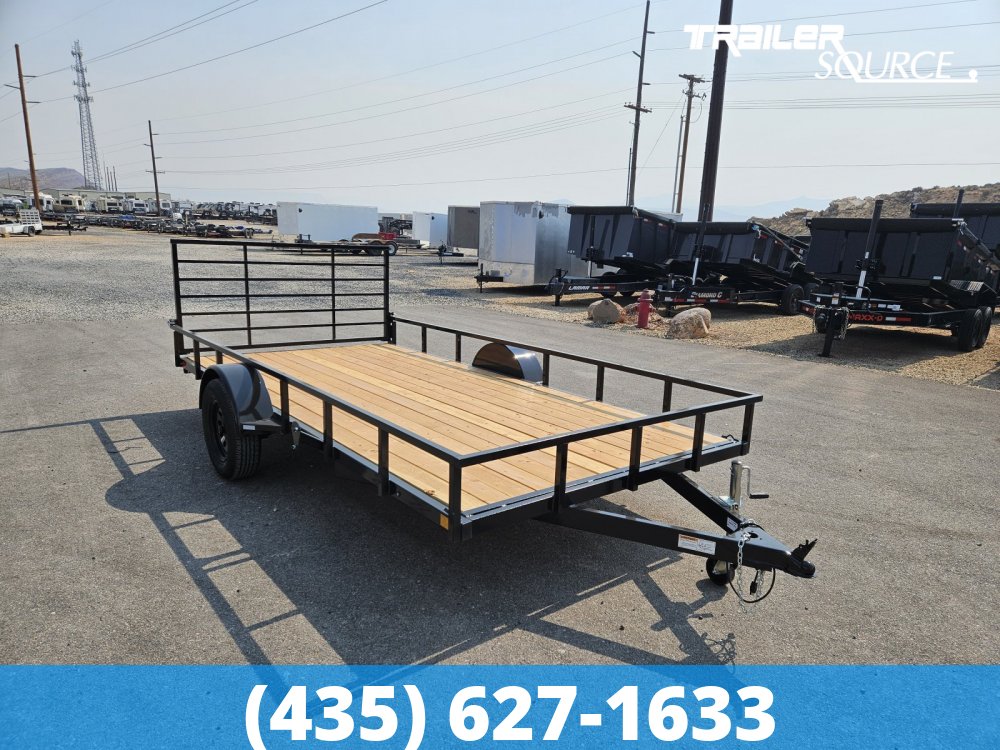
Understanding the weight capacity of a 6x12 single axle trailer is crucial for safe and legal hauling. Overloading can lead to serious consequences, including damage to your trailer, your vehicle, and even accidents. This article provides a comprehensive guide to help you determine the weight capacity of your 6x12 single axle trailer and how to stay within safe limits.
Understanding Key Terms: GVWR, GAWR, and Payload Capacity
Before diving into specific weight capacities, it's essential to understand a few key terms that define the limitations of your trailer:
- GVWR (Gross Vehicle Weight Rating): This is the maximum permissible weight of the entire trailer, including the trailer itself and everything loaded onto it. It's the most important number to know.
- GAWR (Gross Axle Weight Rating): This is the maximum weight that a single axle is designed to carry. Since we're discussing single axle trailers, the GAWR is particularly relevant.
- Payload Capacity: This is the maximum weight of cargo you can safely load onto the trailer. It's calculated by subtracting the trailer's empty weight (also called "tare weight") from the GVWR.
Factors Influencing 6x12 Single Axle Trailer Weight Capacity
The weight capacity of a 6x12 single axle trailer isn't a one-size-fits-all number. Several factors contribute to its overall rating, including:
Axle Rating
The axle rating is arguably the most significant factor. Most 6x12 single axle trailers come with either a 2,000 lb, 3,500 lb, or 5,200 lb rated axle. The higher the axle rating, the more weight the trailer can theoretically handle. Look for a sticker or plate on the axle itself, or in the trailer's documentation, to determine its specific rating. Never exceed the axle's rated capacity.
Tire Rating
Even if your axle is rated for a certain weight, your tires must also be rated to handle that load. Check the sidewall of your tires for their maximum load capacity. This will be expressed as a weight rating, often followed by a single or dual tire indication (e.g., "2,000 lbs SINGLE"). Ensure that the combined weight rating of both tires meets or exceeds the GAWR of the trailer. Under-inflated tires can also lead to failure, so maintaining proper tire pressure is critical.
Frame Construction
The strength and design of the trailer's frame also play a vital role. A poorly constructed frame, even with a strong axle, can buckle or break under excessive weight. Look for trailers with sturdy, welded frames made of durable steel. Consider the gauge (thickness) of the steel used; thicker steel typically indicates a stronger frame.
Trailer Weight (Tare Weight)
The trailer's own weight significantly impacts its payload capacity. A heavier trailer will have a lower payload capacity, as its weight is already contributing to the GVWR. The tare weight should be clearly marked on the trailer's VIN plate or documentation. Common materials such as steel add to the overall weight. Consider aluminum trailers for lighter overall weight and increased payload capacity if your budget allows.
Brake System (or Lack Thereof)
While not directly impacting the *weight capacity* itself, the presence (or absence) of brakes significantly affects the safe towing capacity and braking performance. Most states require brakes on trailers exceeding a certain weight (typically 3,000 lbs). A trailer without brakes will require a significantly increased stopping distance, posing a serious safety hazard, especially when hauling heavy loads. Always comply with local laws regarding trailer brakes.
Determining Your 6x12 Single Axle Trailer's Weight Capacity: A Step-by-Step Guide
Follow these steps to determine the safe and legal weight capacity of your 6x12 single axle trailer:
- Locate the VIN Plate: The Vehicle Identification Number (VIN) plate is typically located on the trailer's tongue or frame. It contains crucial information, including the GVWR.
- Identify the GVWR: The GVWR will be clearly marked on the VIN plate. This is the maximum allowable weight of the loaded trailer.
- Find the Tare Weight (Empty Weight): The tare weight might also be listed on the VIN plate or in the trailer's documentation. If not, you can take the trailer to a weigh station to determine its empty weight.
- Calculate Payload Capacity: Subtract the tare weight from the GVWR to calculate the payload capacity:
Payload Capacity = GVWR - Tare Weight - Check Axle Rating: Verify the axle rating to ensure it matches or exceeds the GVWR.
- Inspect Tire Ratings: Confirm that the combined load capacity of your tires meets or exceeds the GAWR.
Example: Let's say your 6x12 single axle trailer has a GVWR of 2,990 lbs and a tare weight of 990 lbs. Your payload capacity would be 2,000 lbs (2,990 lbs - 990 lbs = 2,000 lbs).
Common 6x12 Single Axle Trailer Weight Capacities
While specific weight capacities vary, here's a general overview of common GVWR ranges for 6x12 single axle trailers:
- Light-Duty (2,000 lb Axle): GVWR typically ranges from 2,000 lbs to 2,500 lbs. Payload capacity is usually around 1,000 lbs to 1,500 lbs. These trailers are suitable for light-duty hauling, such as lawnmowers, small furniture, or landscaping supplies.
- Medium-Duty (3,500 lb Axle): GVWR commonly ranges from 2,990 lbs to 3,500 lbs. Payload capacity can be between 2,000 lbs and 2,500 lbs. These trailers are suitable for hauling slightly heavier loads, such as ATVs, small tractors, or larger furniture.
- Heavy-Duty (5,200 lb Axle): GVWR can reach up to 5,200 lbs or more. Payload capacity is significantly higher, potentially exceeding 3,500 lbs. These trailers are designed for heavier loads, such as construction materials, equipment, or vehicles. Note: Trailers with 5,200 lb axles often come with brakes.
Staying Within Safe Weight Limits: Practical Tips
Exceeding your trailer's weight capacity can lead to serious consequences. Here are some practical tips to ensure you stay within safe limits:
- Weigh Your Load: Before loading your trailer, estimate the weight of your cargo. If possible, use a scale to accurately weigh individual items.
- Distribute Weight Evenly: Distribute the load evenly across the trailer's bed, with the heaviest items positioned over the axle. This helps maintain stability and prevents uneven wear on tires and axles.
- Secure Your Load: Properly secure your cargo with straps, chains, or nets. Shifting cargo can destabilize the trailer and lead to accidents.
- Check Tire Pressure: Regularly check your tire pressure and inflate them to the recommended pressure specified on the tire sidewall.
- Drive Carefully: Adjust your driving speed and braking distance to account for the added weight. Avoid sudden stops or sharp turns.
- Regular Maintenance: Regularly inspect your trailer for any signs of damage, such as cracks in the frame, worn tires, or loose connections. Address any issues promptly to prevent them from escalating.
- Consider Upgrading: If you frequently haul heavy loads, consider upgrading to a trailer with a higher GVWR and a more robust frame.
Consequences of Overloading a Trailer
Overloading a trailer can have severe consequences, including:
- Damage to the Trailer: Overloading can stress the trailer's frame, axles, and suspension, leading to cracks, bending, or complete failure.
- Tire Blowouts: Exceeding the tire's load capacity can cause blowouts, resulting in loss of control.
- Brake Failure: Overloading can strain the braking system, reducing its effectiveness and potentially leading to brake failure.
- Accidents: A heavily overloaded trailer is more likely to sway, fishtail, or overturn, increasing the risk of accidents.
- Legal Penalties: Overloading can result in fines, penalties, and even being forced to unload the excess cargo.
- Increased Wear and Tear on Tow Vehicle: Overloading puts additional strain on the tow vehicle's engine, transmission, and brakes, leading to premature wear and tear.
Conclusion
Knowing and respecting the weight capacity of your 6x12 single axle trailer is paramount for safety and legal compliance. By understanding the key terms, factors influencing weight capacity, and following the steps outlined in this article, you can ensure that you're hauling your cargo safely and responsibly. Always prioritize safety over convenience when it comes to loading your trailer. When in doubt, err on the side of caution and reduce your load. Doing so will not only protect yourself and others on the road but also extend the life of your trailer and tow vehicle.