
98 Jeep Grand Cherokee Wheel Bolt Pattern
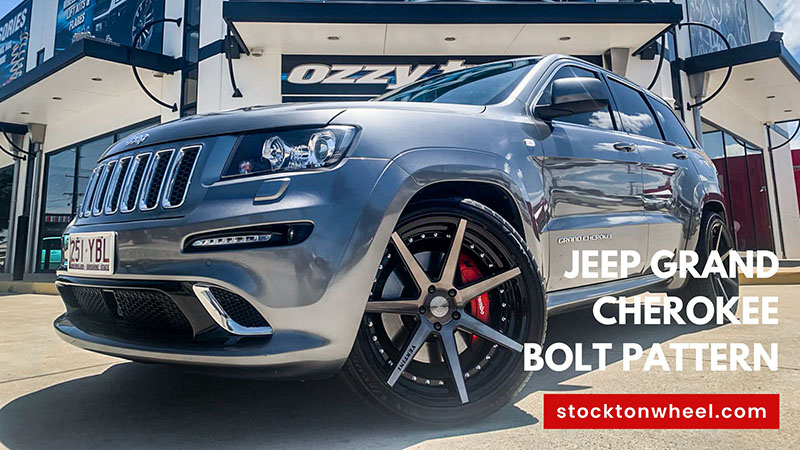
Hey there, Jeep Grand Cherokee owners! Experiencing some wheel woes with your '98 model? You're not alone. One of the first things you'll need to know when dealing with wheel issues – whether you're swapping rims, replacing studs, or just checking for proper torque – is the wheel bolt pattern. Getting this wrong can lead to unsafe conditions and potential damage to your vehicle. Let's dive into everything you need to know about the '98 Jeep Grand Cherokee's wheel bolt pattern and how to handle related issues.
Understanding the '98 Jeep Grand Cherokee Wheel Bolt Pattern
The wheel bolt pattern specifies the number of wheel studs and the diameter of the circle they're arranged on. For the 1998 Jeep Grand Cherokee, the bolt pattern is 5x139.7mm (or 5x5.5 inches). This means it has 5 studs spaced evenly on a circle with a diameter of 139.7 millimeters (or 5.5 inches).
It's absolutely critical to use wheels with the correct bolt pattern. Using wheels with a different pattern, even if they seem close, can lead to:
- Wheel Stud Failure: Improperly seated wheels put undue stress on the studs, causing them to shear off.
- Wheel Loosening: The wheel may not be properly centered, leading to vibration and eventual loosening of the lug nuts.
- Dangerous Driving Conditions: Wheel failure at highway speeds can have catastrophic consequences.
Common Problems Related to Wheel Studs and Bolt Pattern
Stripped or Broken Wheel Studs
This is a common issue, especially if lug nuts are consistently overtightened or improperly torqued. Overtightening stretches the studs, weakening them over time. Rust and corrosion can also contribute to stud failure.
Symptoms:
- Difficulty tightening lug nuts.
- Lug nuts feeling loose even when tightened.
- Visible damage to the studs (e.g., stripped threads, cracks).
- Wheel vibration or wobble.
Solution: Replace the damaged stud(s). This typically involves removing the brake rotor and hub assembly. You'll need a hammer, penetrating oil, a new stud, and either a stud installer tool or a stack of washers and an old lug nut. To remove the old stud, use a hammer to knock it out from the back. To install the new stud, you can use a stud installer tool (preferred) or carefully use washers and an old lug nut to pull the stud into place. Be sure to torque the lug nut to the manufacturer's specification (typically around 85-115 ft-lbs for the Grand Cherokee) to properly seat the stud.
Tip: Always use a torque wrench when tightening lug nuts. An impact wrench can easily overtighten them.
Estimated Cost: Replacing a single stud can cost anywhere from $20 to $50, depending on whether you do it yourself or have a mechanic do it. A full set of studs and labor could run upwards of $200-$300.
Incorrect Wheel Offset
While the bolt pattern might be correct (5x139.7mm), the wheel offset can also cause issues. Offset refers to the distance between the wheel's mounting surface and its centerline. An incorrect offset can cause the wheel to rub against the suspension components or fenders.
Symptoms:
- Tire rubbing against the fender or suspension.
- Uneven tire wear.
- Difficulty steering.
Solution: Ensure the wheels you're using have the correct offset for your '98 Grand Cherokee. The factory offset is usually around +12mm to +25mm, but it's always best to double-check the specific requirements for your vehicle and the aftermarket wheels you're considering.
Tip: Before purchasing new wheels, consult with a tire and wheel specialist to ensure proper fitment and offset.
Lug Nut Issues
Damaged or incorrect lug nuts can also lead to problems. Using lug nuts that are not compatible with your wheels or studs can prevent proper clamping force and cause the wheel to loosen.
Symptoms:
- Lug nuts stripping or rounding off.
- Wheel vibration or wobble.
- Difficulty tightening lug nuts.
Solution: Replace damaged lug nuts with the correct type for your wheels. There are different types of lug nuts (e.g., cone seat, ball seat, flat seat) that are designed to work with specific wheels. Make sure you're using the correct lug nut style for your wheels.
Tip: Use a lug nut wrench that fits properly. An oversized wrench can round off the lug nuts.
Estimated Cost: A set of new lug nuts can cost anywhere from $20 to $50.
Rust and Corrosion
Rust and corrosion on the hub and wheel mounting surface can prevent proper wheel seating and cause vibration. This is especially common in areas with harsh winters and road salt.
Symptoms:
- Wheel vibration or wobble.
- Difficulty removing wheels.
- Uneven tire wear.
Solution: Clean the hub and wheel mounting surface with a wire brush to remove rust and corrosion. You can also apply a thin coat of anti-seize compound to prevent future corrosion. Be careful not to get anti-seize on the brake rotors or pads.
Tip: Regularly inspect and clean the hub and wheel mounting surfaces to prevent rust and corrosion buildup.
Tools You'll Likely Need
Here's a list of common tools you might need when dealing with wheel issues on your '98 Grand Cherokee:
- Jack and jack stands
- Lug wrench
- Torque wrench
- Socket set
- Penetrating oil
- Hammer
- Wire brush
- Stud installer tool (or washers and an old lug nut)
- Anti-seize compound
Final Thoughts
Understanding the wheel bolt pattern and addressing related issues promptly is essential for maintaining the safety and reliability of your '98 Jeep Grand Cherokee. Remember the bolt pattern is 5x139.7mm (or 5x5.5 inches). If you're unsure about any aspect of wheel maintenance or repair, it's always best to consult with a qualified mechanic. They can diagnose the problem accurately and ensure that the repairs are done correctly.
Driving with improperly mounted or damaged wheels is a serious safety hazard. Take the time to inspect your wheels and tires regularly, and address any issues as soon as they arise. Happy Jeeping!