
Aluminum Vs Steel Skid Plates
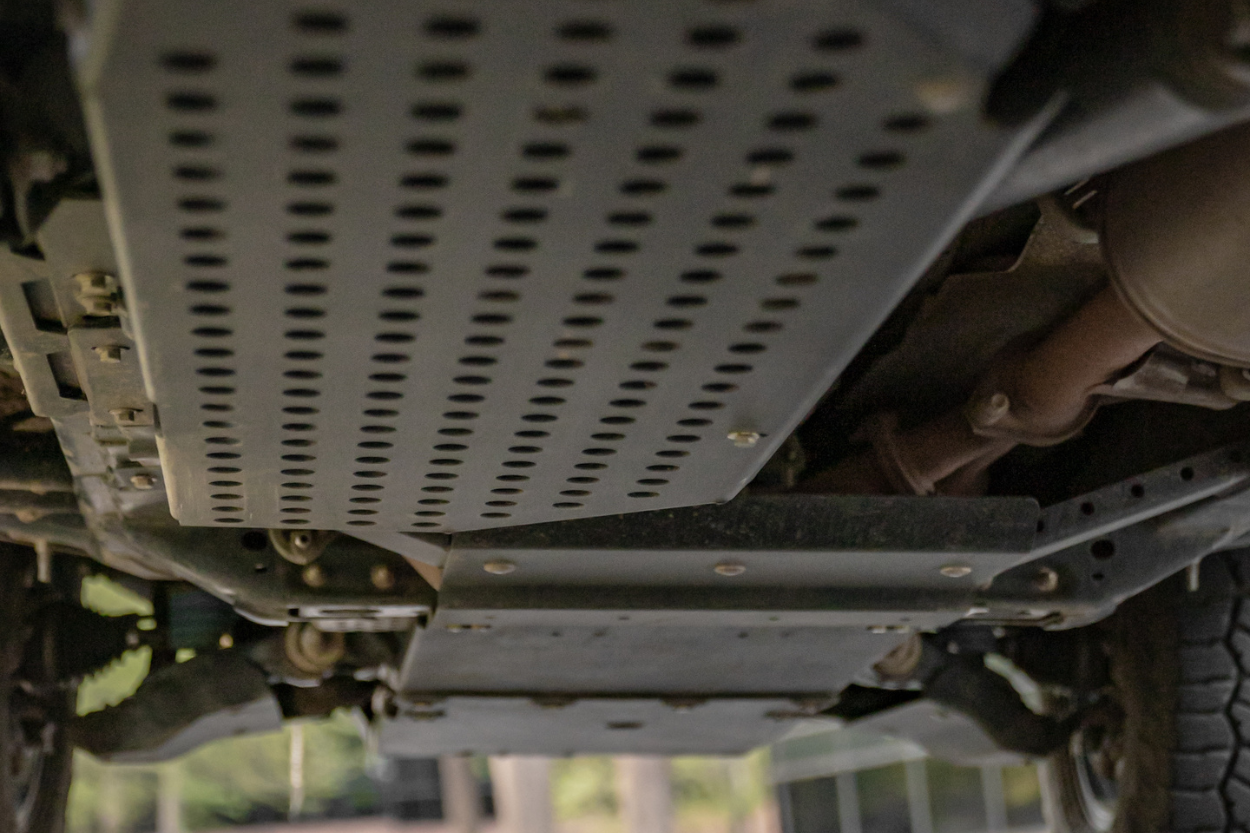
Skid plates are essential for protecting the vulnerable undercarriage of your vehicle, especially if you frequently drive off-road or in areas with rough terrain. They shield vital components like the oil pan, transmission, and fuel tank from rocks, debris, and impacts. Choosing between aluminum and steel skid plates is a critical decision, with each material offering distinct advantages and disadvantages. This article will delve into the maintenance, troubleshooting, and real-world issues associated with both aluminum and steel skid plates, helping car owners and mechanics make informed choices and keep vehicles in optimal condition.
Aluminum Skid Plates: Lightweight Protection
Aluminum skid plates are prized for their lightweight nature and corrosion resistance. This is particularly beneficial for vehicles where weight is a concern, such as sports cars or fuel-efficient models. However, aluminum is generally softer than steel, making it more susceptible to dents and gouges under severe impact.
Maintenance and Troubleshooting: Aluminum
Symptom: Dents and Bends
Cause: Impacts from rocks, curbs, or off-road obstacles.
Solution:
- Minor Dents: For smaller dents that don't significantly compromise the plate's integrity, you might choose to leave them as is. Attempting to hammer them out could weaken the aluminum.
- Significant Dents: If the dent is large or affects the plate's ability to protect critical components, removal and professional repair or replacement is recommended. A body shop specializing in aluminum welding and fabrication can often repair the plate.
- Bent Mounting Points: Bent mounting points can make re-installation difficult or impossible. Carefully assess the damage and consider using a pry bar (with caution!) to gently bend the mounting point back into position. If the mounting point is severely damaged, replacement is usually necessary.
Symptom: Corrosion
Cause: While aluminum is naturally corrosion-resistant, galvanic corrosion can occur when it's in contact with dissimilar metals, especially in the presence of moisture and salt.
Solution:
- Regular Cleaning: Wash the skid plate regularly with soap and water to remove dirt, salt, and debris.
- Protective Coating: Apply a corrosion-resistant coating specifically designed for aluminum. This provides an extra layer of protection, especially in areas prone to road salt.
- Isolate Dissimilar Metals: Use plastic washers or spacers when mounting the skid plate to a steel frame to prevent direct contact between the metals.
Symptom: Cracks
Cause: Repeated impacts or stress can lead to cracks in aluminum skid plates, especially around mounting points or areas that have been previously damaged.
Solution:
- Welding: Minor cracks can sometimes be repaired by a professional welder experienced in aluminum welding (TIG welding is preferred). However, welding can weaken the surrounding area.
- Replacement: If the crack is large or located in a critical area, replacement is the safest and most reliable solution.
Example: On a Subaru WRX, an aluminum skid plate is often used to protect the oil pan. Owners might notice dents after accidentally hitting speed bumps too quickly. Regular inspection and timely repair or replacement are crucial to prevent engine damage.
Steel Skid Plates: Rugged Durability
Steel skid plates are known for their superior strength and resistance to abrasion. They can withstand more severe impacts and provide better protection in demanding off-road conditions. However, steel is heavier than aluminum, which can negatively impact fuel economy and vehicle handling. Steel is also prone to rust if not properly protected.
Maintenance and Troubleshooting: Steel
Symptom: Rust
Cause: Exposure to moisture, salt, and road debris can cause steel skid plates to rust.
Solution:
- Regular Cleaning: Wash the skid plate regularly to remove dirt and salt.
- Rust Prevention Coating: Apply a rust-preventative coating like paint, powder coating, or undercoating. Powder coating is generally more durable than paint.
- Rust Removal: If rust is present, remove it with a wire brush or sandpaper before applying a protective coating. For heavy rust, consider using a rust converter.
- Inspect Welds: Pay special attention to weld seams, as these are often the first areas to rust.
Symptom: Dents and Bends
Cause: Impacts from rocks, curbs, or off-road obstacles.
Solution:
- Hammering: Steel is more malleable than aluminum, so you can often hammer out dents with a ball-peen hammer. Use a dolly or anvil to provide a solid backing.
- Welding Reinforcements: If the plate has been severely dented or bent, consider welding reinforcements to add strength and prevent future damage.
- Cutting and Re-welding: In extreme cases, sections of the skid plate may need to be cut out, reshaped, and re-welded. This requires specialized skills and equipment.
Symptom: Loose or Stripped Mounting Bolts
Cause: Vibration, corrosion, or improper installation can cause mounting bolts to loosen or strip.
Solution:
- Tighten Bolts: Regularly check and tighten the mounting bolts to the manufacturer's specified torque.
- Replace Bolts: If the bolts are corroded or damaged, replace them with new, high-strength bolts.
- Thread Repair: If the threads in the frame or mounting points are stripped, use a thread repair kit (e.g., Heli-Coil) to restore the threads.
- Anti-Seize Compound: Apply anti-seize compound to the bolt threads to prevent corrosion and make removal easier in the future.
Example: On a Jeep Wrangler, steel skid plates are commonly used due to their off-road capabilities. Owners might experience rust issues, especially in areas with harsh winters. Regular undercarriage washes and rust prevention treatments are crucial. Furthermore, checking and tightening mounting bolts is a routine maintenance task.
Choosing the Right Material: Aluminum vs. Steel
The best choice between aluminum and steel depends on your driving habits and vehicle type.
- Aluminum: Best for vehicles where weight is a concern, and off-roading is light to moderate. Ideal for preventing minor damage from road debris.
- Steel: Best for serious off-roaders who need maximum protection from heavy impacts. Accept the weight penalty for increased durability.
Installation Considerations
Regardless of the material, proper installation is crucial for the skid plate's effectiveness.
- Follow Manufacturer's Instructions: Always follow the manufacturer's instructions for installation.
- Torque Specifications: Tighten all bolts to the specified torque to prevent loosening and ensure proper fit.
- Proper Alignment: Ensure the skid plate is properly aligned to protect all critical components.
- Check for Clearance: Verify that the skid plate doesn't interfere with any moving parts or exhaust components.
Keeping Your Car in Top Condition
Maintaining your skid plates is just one aspect of keeping your car in top condition. Here are some additional tips:
- Regular Inspections: Conduct regular inspections of your vehicle's undercarriage, including the skid plates, suspension, and exhaust system.
- Fluid Checks: Regularly check and maintain fluid levels, including engine oil, coolant, brake fluid, and transmission fluid.
- Tire Maintenance: Maintain proper tire pressure and rotate your tires regularly to ensure even wear.
- Brake Service: Inspect and replace brake pads and rotors as needed to ensure optimal braking performance.
- Scheduled Maintenance: Follow the manufacturer's recommended maintenance schedule to address potential issues before they become major problems.
- Address problems quickly and don't put off necessary repairs. Ignoring even a small issue can lead to more significant and costly repairs down the road. Preventative maintenance is always cheaper than reactive repairs.
By paying attention to the condition of your skid plates and following these general maintenance tips, you can extend the life of your vehicle and ensure safe and reliable operation for years to come.