
Are 16 Inch Or 18 Inch Wheels Better
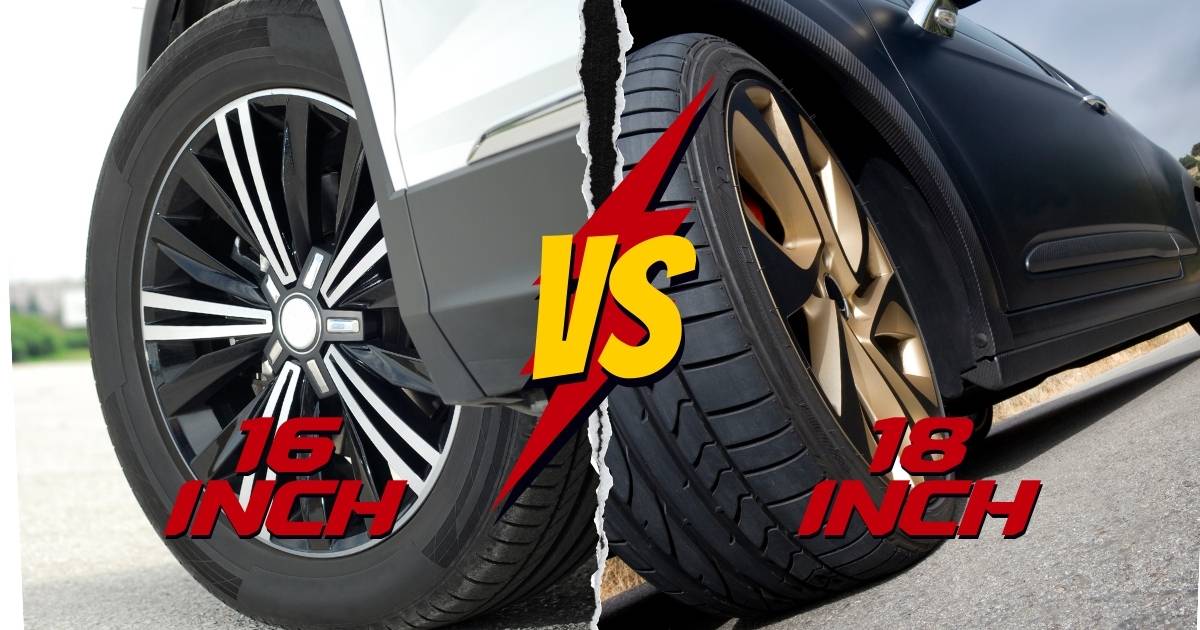
Choosing the right wheel size for your vehicle can significantly impact its performance, handling, and aesthetics. The common debate between 16-inch and 18-inch wheels isn't simply about looks; it delves into the intricate interplay of tire sidewall, weight, rolling resistance, and suspension dynamics. Let's break down the pros and cons of each to help you make an informed decision.
Understanding the Fundamentals: Wheel and Tire Dynamics
Before diving into the specifics, it's crucial to understand the relationship between wheel size and tire size. When you increase wheel diameter (e.g., from 16 inches to 18 inches), you generally need to decrease the tire's sidewall height (also known as aspect ratio) to maintain the overall tire diameter, ensuring speedometer accuracy and preventing clearance issues. This relationship is critical because the sidewall height plays a significant role in ride comfort, handling, and overall performance.
Think of the tire sidewall as a flexible spring. A taller sidewall offers more cushion, absorbing bumps and imperfections in the road. A shorter sidewall, conversely, provides less cushion but increases responsiveness.
16-Inch Wheels: Practicality and Comfort
Pros:
- Improved Ride Comfort: The larger sidewall of a tire on a 16-inch wheel acts as a significant cushion, absorbing road irregularities more effectively. This translates to a smoother, more comfortable ride, especially on rough or uneven surfaces.
- Lower Cost: Tires for 16-inch wheels are generally less expensive than those for 18-inch wheels. This is due to their simpler construction and higher production volumes. The wheels themselves are typically cheaper as well.
- Enhanced Durability: Taller sidewalls offer better protection against potholes and other road hazards. The increased cushioning reduces the likelihood of damaging the wheel or tire upon impact.
- Better Fuel Efficiency (Potentially): While not always the case, tires on 16-inch wheels can contribute to slightly better fuel efficiency due to their generally lower weight and reduced rolling resistance (more on this later).
- Reduced Road Noise: The greater sidewall absorbs more vibrations and noise from the road surface, resulting in a quieter cabin experience.
Cons:
- Reduced Handling Responsiveness: The taller sidewall can flex more during cornering, leading to a slightly less precise and responsive feel. This sidewall flex can create a delay between steering input and vehicle response.
- Less Aggressive Aesthetics: In some cases, 16-inch wheels may appear less visually appealing compared to larger diameter wheels, depending on the vehicle's overall design. This is subjective, of course.
- Limited Brake Clearance (Potentially): If you plan to upgrade to larger aftermarket brakes in the future, 16-inch wheels may not provide enough clearance to accommodate the bigger calipers and rotors.
18-Inch Wheels: Performance and Style
Pros:
- Improved Handling Responsiveness: The shorter sidewall of a tire on an 18-inch wheel reduces sidewall flex, resulting in more precise steering and improved handling. The car feels more planted and responsive during cornering.
- Enhanced Aesthetics: Larger diameter wheels often provide a more aggressive and sporty appearance, which can significantly enhance the visual appeal of a vehicle.
- Improved Braking Performance (Potentially): While the wheel size itself doesn't directly affect braking, the larger wheel diameter often allows for the installation of larger, more powerful brake systems. This is because the larger wheel provides more space for the brake calipers and rotors.
- Increased Stability: The shorter sidewall can also contribute to improved stability, especially at higher speeds.
Cons:
- Reduced Ride Comfort: The shorter sidewall transmits more road imperfections directly to the vehicle, resulting in a firmer, less comfortable ride.
- Increased Cost: Tires for 18-inch wheels are generally more expensive than those for 16-inch wheels due to their more complex construction and lower production volumes. Wheels themselves are also pricier.
- Reduced Durability: The shorter sidewall offers less protection against potholes and other road hazards, increasing the risk of wheel or tire damage.
- Increased Road Noise: The reduced sidewall absorbs less road noise, potentially leading to a louder cabin experience.
- Reduced Fuel Efficiency (Potentially): Larger wheels and tires often weigh more, increasing unsprung weight. This increase in weight can negatively impact fuel economy and acceleration. However, advances in tire technology mean that some 18" options can be lighter than older 16" offerings.
Key Considerations: Beyond Size
While wheel diameter is a primary factor, several other considerations are crucial in your decision-making process:
- Wheel Width: The width of the wheel impacts the tire's contact patch and handling characteristics. Wider wheels typically offer better grip but can also increase rolling resistance.
- Wheel Offset: Offset refers to the distance between the wheel's mounting surface and its centerline. The correct offset is crucial for proper clearance and suspension geometry. Incorrect offset can lead to rubbing issues or negatively impact handling.
- Wheel Weight: Lighter wheels reduce unsprung weight, improving acceleration, braking, and handling. Look for wheels made from lightweight materials like forged aluminum.
- Tire Compound: The rubber compound of the tire significantly affects grip, handling, and treadwear. Different compounds are designed for different driving conditions and performance requirements. Softer compounds offer more grip but wear out faster.
- Rolling Resistance: Rolling resistance is the force required to keep a tire rolling. Lower rolling resistance translates to better fuel efficiency. Tires designed for fuel economy often have lower rolling resistance, but this may come at the expense of grip.
- Vehicle Use: Consider how you primarily use your vehicle. If you prioritize comfort and daily drivability, 16-inch wheels might be a better choice. If you prioritize performance and aesthetics, 18-inch wheels might be more suitable.
The Importance of Proper Tire Sizing
When changing wheel sizes, it's essential to maintain the overall tire diameter as close as possible to the original specification. This ensures accurate speedometer readings, proper ABS function, and avoids clearance issues. Use an online tire size calculator to determine the appropriate tire size for your new wheels. You'll need to adjust the tire's aspect ratio to compensate for the change in wheel diameter. The target is to stay within +/- 3% of the original tire's overall diameter.
For example, if your vehicle originally came with 205/60R16 tires and you're upgrading to 18-inch wheels, you might choose a 225/40R18 tire size. Always double-check clearances, especially at full steering lock and suspension compression.
Making the Right Choice for You
Ultimately, the "better" wheel size – 16 inch or 18 inch – depends on your individual priorities and driving style. There's no one-size-fits-all answer. Consider your budget, driving conditions, performance goals, and aesthetic preferences. By carefully evaluating these factors, you can make an informed decision that enhances your driving experience.
Don't hesitate to consult with a tire professional or experienced mechanic for personalized recommendations. They can assess your specific needs and provide valuable insights to help you choose the perfect wheel and tire combination for your vehicle. Always prioritize safety and proper fitment. Improperly sized wheels and tires can compromise handling and safety.
Consider this: Are you willing to trade some ride comfort for enhanced handling? Or do you prioritize a smoother ride over ultimate cornering performance? Answering these questions will guide you towards the optimal wheel size for your needs.