
Are Automatic Car Washes Bad For Your Car
The convenience of an automatic car wash is undeniable. In minutes, your grime-covered vehicle can emerge sparkling, seemingly effortlessly cleaned. But a persistent question lingers in the minds of car enthusiasts and detailers alike: Are automatic car washes bad for your car? The answer, as with most automotive queries, is nuanced. Let's delve into the mechanics, materials, and potential pitfalls to understand the truth behind the swirling brushes and high-pressure jets.
Understanding the Automatic Car Wash Landscape
Automatic car washes aren't monolithic. They come in several flavors, each with its own cleaning methodology and potential impact on your vehicle's finish. The two primary types are:
Touch Car Washes
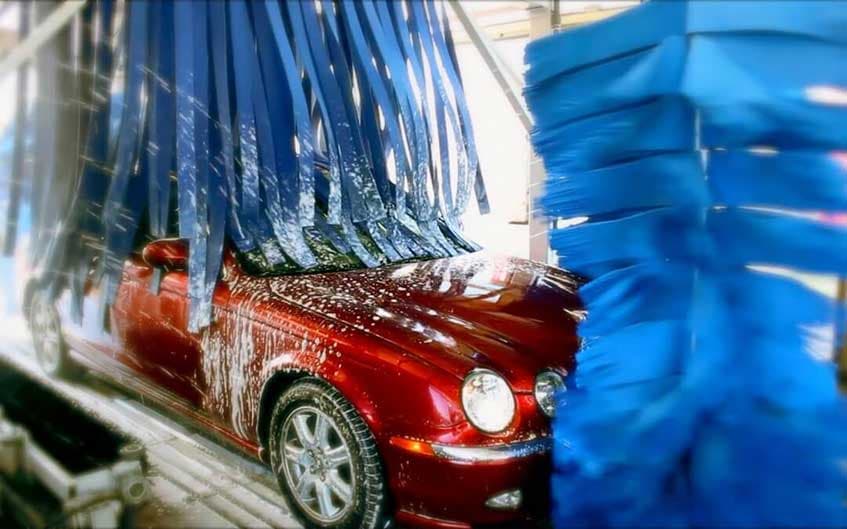
These are the most common type. They utilize large, rotating brushes and cloth strips to physically scrub the dirt and grime off your car's surface. The brushes are usually made of nylon or a closed-cell foam material. As your car moves (or remains stationary while the equipment moves around it), these brushes make direct contact with the paint, removing contaminants.
Touchless Car Washes
As the name suggests, touchless car washes forgo physical contact. Instead, they rely on high-pressure water jets and powerful detergents to blast away dirt. These washes typically involve a series of pre-soaks, detergent applications, high-pressure rinsing, and a final wax or drying agent application. Lasers and sensors often guide the equipment to ensure optimal cleaning coverage.
The Potential Pitfalls: A Closer Look
While both types offer convenience, they both present potential risks. The key lies in understanding how they clean and the materials they use.
The Touch Car Wash Controversy: Scratches and Swirl Marks
The primary concern with touch car washes revolves around the abrasive nature of the brushes and the potential for embedded debris. Here's a breakdown:
- Brush Material and Condition: Even seemingly soft brushes can inflict damage if they aren't properly maintained. Accumulation of dirt, sand, and other abrasive particles within the brush material transforms them into miniature sandpaper. Over time, this can create microscopic scratches known as swirl marks, which are particularly noticeable on dark-colored vehicles in direct sunlight.
- Pre-Wash Effectiveness: If the pre-wash cycle isn't effective at removing large debris, the brushes will simply grind these particles against your paint. This is especially problematic in areas with heavy road salt or gravel.
- Brush Pressure and Alignment: Incorrectly calibrated brush pressure or misaligned equipment can also contribute to scratching. Too much pressure can exacerbate the abrasive effect, while misalignment can cause brushes to rub against areas they shouldn't, like trim or mirrors.
The physics is simple: Any abrasive material dragged across a softer surface will cause scratching. The severity of the scratching depends on the hardness and size of the abrasive particles, the pressure applied, and the duration of contact.
Think of it like rubbing sandpaper on a piece of wood. The finer the grit, the less noticeable the scratches, but repeated abrasion will still leave its mark.
The Touchless Car Wash Conundrum: Harsh Chemicals and Water Spots
While touchless car washes eliminate the risk of brush-induced scratches, they aren't without their own drawbacks:
- Aggressive Detergents: To compensate for the lack of physical scrubbing, touchless washes often employ highly concentrated and potentially aggressive detergents. These detergents can strip away wax coatings, leaving your paint vulnerable to the elements. They can also damage plastic trim and rubber seals over time.
- Water Quality and Drying: Hard water, common in many areas, can leave behind mineral deposits that result in unsightly water spots. The effectiveness of the drying system also plays a crucial role. Insufficient drying can exacerbate water spotting and streaking.
- High-Pressure Risks: While designed to be safe, extremely high-pressure water jets can, in rare cases, damage loose trim or mirrors. The key lies in ensuring the equipment is properly calibrated and maintained.
The chemistry is crucial here. Highly alkaline or acidic detergents can react with the paint's clear coat, dulling its shine and accelerating oxidation. Moreover, some detergents contain solvents that can dissolve wax coatings, weakening the paint's protective barrier.
Mitigation Strategies: Minimizing the Risks
Despite the potential drawbacks, automatic car washes can still be a viable option if you take certain precautions:
For Touch Car Washes:
- Choose Reputable Establishments: Opt for car washes that appear well-maintained and clean. Look for signs of regular brush maintenance and a thorough pre-wash process.
- Inspect the Brushes (If Possible): If you can, take a quick look at the brushes before entering the wash. Are they clean and free of visible debris? Are they frayed or damaged?
- Consider a "No-Brush" Option (If Available): Some car washes offer a hybrid approach, using primarily water jets with minimal brush contact. This can reduce the risk of scratching.
- Regular Waxing: Maintain a good wax coating on your vehicle. This provides a sacrificial layer that protects the underlying paint from minor scratches.
For Touchless Car Washes:
- Look for pH-Neutral Detergents: Opt for car washes that advertise the use of pH-neutral detergents. These are less likely to strip away wax coatings.
- Pay Attention to Drying: Check for a powerful and effective drying system. If the drying is inadequate, consider manually drying your car with a microfiber towel to prevent water spots.
- Regular Detailing: Even with touchless washes, regular detailing, including waxing and polishing, is essential to maintain your paint's luster.
The Verdict: Convenience vs. Care
Ultimately, the decision of whether or not to use an automatic car wash depends on your priorities. If convenience is paramount and you're willing to accept a slightly higher risk of minor paint imperfections, an automatic car wash can be a convenient option. However, if you're meticulous about your car's appearance and prioritize long-term paint preservation, hand washing is always the safest and most effective method.
By understanding the mechanics and potential pitfalls of automatic car washes, you can make informed decisions and take steps to minimize the risks. Regular maintenance, careful selection of car wash establishments, and a commitment to hand detailing will help you keep your car looking its best for years to come. Don't forget the regular waxing!