
Are Coolant And Antifreeze The Same Thing
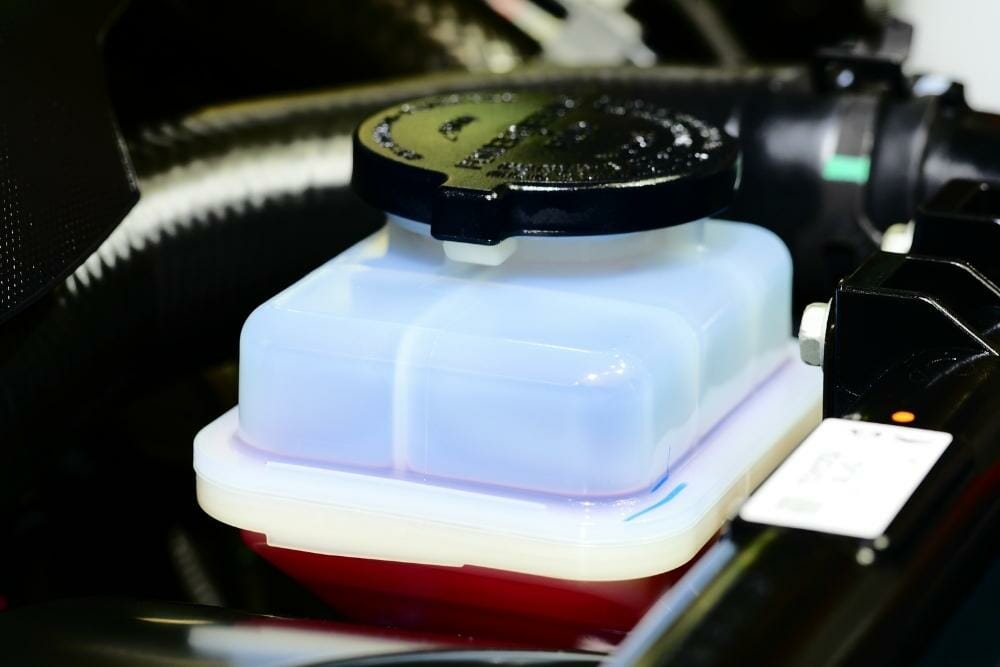
The terms "coolant" and "antifreeze" are often used interchangeably, leading to confusion among car owners and even some mechanics. While they're closely related, understanding the difference is crucial for proper car maintenance. In essence, antifreeze is a concentrated chemical, typically ethylene glycol or propylene glycol, that prevents water from freezing or boiling. Coolant is a mixture of antifreeze and water, ready for use in your car's cooling system.
Why the Distinction Matters
Ignoring this difference can lead to serious problems. Using pure antifreeze in your cooling system is a major mistake. Pure antifreeze doesn't cool as effectively as a 50/50 mixture of antifreeze and water. It can actually overheat your engine, damage hoses, and corrode internal components. Water alone, on the other hand, will freeze in cold temperatures, potentially cracking the engine block or radiator. It also lacks the corrosion inhibitors present in antifreeze, leading to rust and scale buildup.
Common Problems and Solutions
Problem 1: Overheating Engine
Symptom: Temperature gauge consistently running hot, steam coming from under the hood, engine knocking.
Possible Causes:
- Incorrect coolant mixture: Too much antifreeze or not enough.
- Low coolant level: Leak in the system.
- Faulty thermostat: Not opening properly to allow coolant flow.
- Clogged radiator: Reduced cooling capacity.
- Water pump failure: Insufficient coolant circulation.
Troubleshooting and Solutions:
- Check coolant level: Visually inspect the coolant reservoir. If low, add the correct 50/50 mixture.
- Inspect for leaks: Look for puddles under the car, especially near the radiator, hoses, and water pump. Check hose connections for cracks or looseness.
- Check the thermostat: Remove the thermostat and test it in hot water to see if it opens. Replace if faulty.
- Flush the cooling system: This removes rust and scale buildup. Use a radiator flush product and follow the instructions carefully.
- Test the water pump: Listen for unusual noises or check for leaks. A faulty water pump needs replacement.
Example: A common issue with older Honda Civics (2006-2011) is a clogged radiator due to neglected coolant flushes. Symptoms include overheating, especially during summer. A coolant flush and potential radiator replacement often resolve this issue.
Problem 2: Coolant Leaks
Symptom: Puddles of colored liquid (usually green, orange, or yellow) under the car, sweet or glycol-like smell, low coolant level.
Possible Causes:
- Damaged hoses: Cracks, leaks, or loose connections.
- Leaking radiator: Corrosion or physical damage.
- Water pump leak: Seal failure.
- Head gasket leak: Coolant mixing with engine oil (serious issue).
Troubleshooting and Solutions:
- Visually inspect hoses: Replace any cracked, swollen, or leaking hoses.
- Pressure test the cooling system: This helps identify leaks that are not easily visible.
- Inspect the radiator: Look for signs of corrosion or physical damage. A leaking radiator usually needs replacement.
- Check engine oil: If the oil appears milky or light brown, coolant may be leaking into the engine (head gasket issue). This requires professional diagnosis and repair.
Example: Ford F-150 trucks (2015-present) sometimes experience water pump leaks. Early detection is key. Look for coolant drips near the front of the engine. A new water pump is the typical solution.
Problem 3: Sludge and Corrosion in the Cooling System
Symptom: Brown or rusty colored coolant, reduced cooling efficiency, possible engine overheating.
Possible Causes:
- Using tap water in the cooling system: Tap water contains minerals that cause corrosion.
- Mixing different types of coolant: Some coolants are not compatible and can react, forming sludge.
- Old or degraded coolant: Coolant loses its protective properties over time.
Troubleshooting and Solutions:
- Flush the cooling system thoroughly: Remove all old coolant and debris.
- Use distilled water: Always mix antifreeze with distilled water, not tap water.
- Use the correct type of coolant: Consult your owner's manual or a mechanic to determine the correct coolant type for your vehicle.
- Replace coolant regularly: Follow the recommended service intervals in your owner's manual.
Example: Many older GM vehicles (e.g., Chevy Silverado) are susceptible to corrosion if the coolant is not changed regularly. This can lead to radiator clogs and reduced engine performance. Regular coolant flushes with the correct Dex-Cool coolant are essential.
Choosing the Right Coolant
Different car manufacturers use different types of coolant. Common types include:
- Green (IAT - Inorganic Additive Technology): Typically used in older vehicles.
- Orange (OAT - Organic Acid Technology): Commonly used in GM vehicles (Dex-Cool).
- Yellow (HOAT - Hybrid Organic Acid Technology): Used in many newer vehicles, including Ford and Chrysler models.
- Pink/Blue (P-OAT - Phosphate Organic Acid Technology): Commonly used in Asian vehicles (Toyota, Honda).
Always check your owner's manual or consult a mechanic to determine the correct coolant type for your vehicle. Mixing different types of coolant can lead to corrosion and other problems.
Maintenance Tips for a Healthy Cooling System
- Check coolant level regularly: At least once a month.
- Inspect hoses and clamps: Look for cracks, leaks, or looseness.
- Flush the cooling system: Follow the recommended service intervals in your owner's manual (usually every 2-5 years).
- Use the correct type of coolant: Never mix different types of coolant.
- Use distilled water: Always mix antifreeze with distilled water.
- Have your cooling system professionally inspected: During regular servicing, have a mechanic check for any potential problems.
By understanding the difference between antifreeze and coolant, and by following these maintenance tips, you can keep your car's cooling system in top condition, preventing costly repairs and ensuring reliable performance for years to come.