
Are Front Wheel Drive Cars Better In Snow
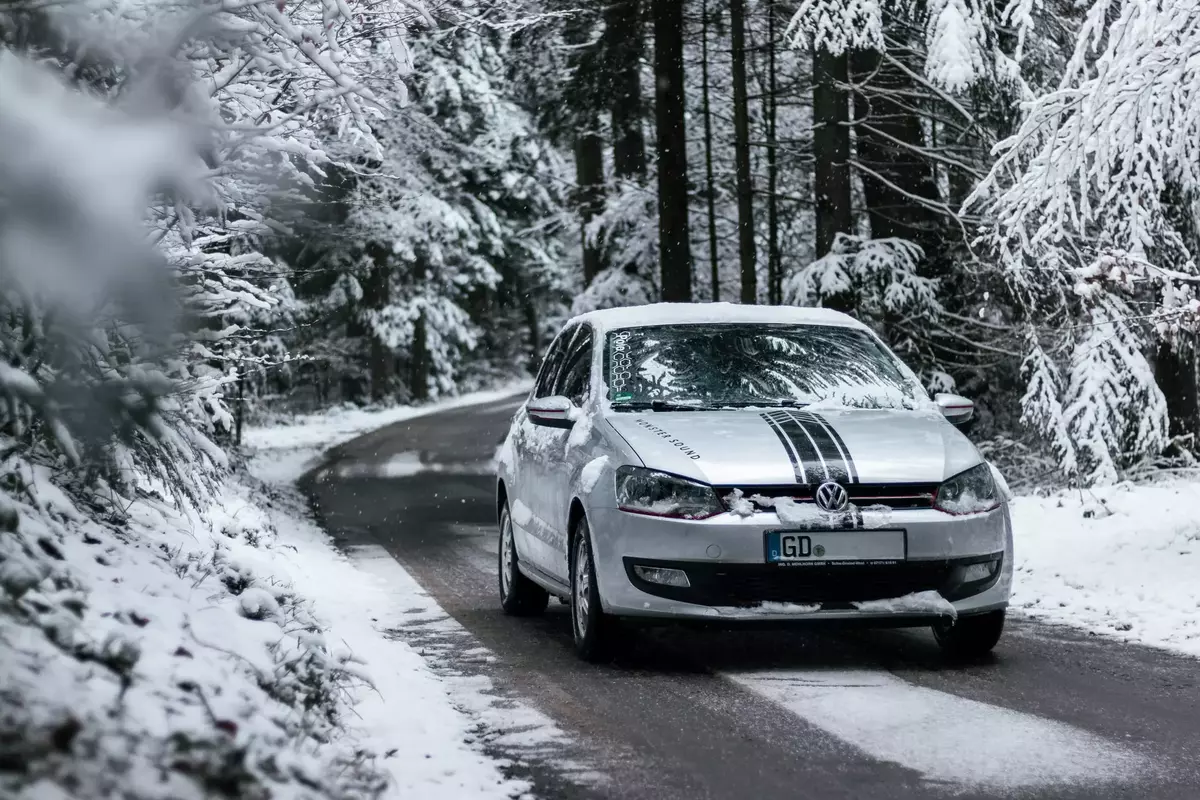
The question of whether front-wheel drive (FWD) cars are inherently better in snow than their rear-wheel drive (RWD) counterparts is a perennial topic of debate among car enthusiasts. While the simple answer often thrown around is "yes," the reality is far more nuanced. To truly understand the capabilities of FWD in snowy conditions, we need to delve into the physics, the technological advancements, and the driving techniques involved.
The Weight Over the Drive Wheels Argument
The primary argument supporting FWD's snow advantage rests on weight distribution. In a typical FWD car, the engine and transmission are situated over the front axle, directly above the driven wheels. This concentration of weight provides increased downward force, theoretically improving traction. More weight equals more friction, and more friction allows the tires to grip the slippery surface. This is in stark contrast to rear-wheel drive (RWD) vehicles, where the engine is typically positioned further back, and power is sent to the rear wheels, often resulting in a less favorable weight distribution for snow driving.
However, this "weight over the wheels" argument is somewhat oversimplified. While additional weight can improve traction, the difference isn't always as dramatic as one might expect. The overall weight of the vehicle, the type of tires used, and the effectiveness of electronic driver aids play significant roles that can often overshadow the impact of weight distribution alone.
The Role of Traction Control and Stability Control
Modern vehicles, regardless of their drivetrain configuration, are equipped with sophisticated electronic stability systems. Traction Control System (TCS) and Electronic Stability Control (ESC) are paramount in mitigating wheel spin and maintaining directional stability in slippery conditions. TCS detects wheel slippage during acceleration and intervenes by reducing engine power or applying brakes to the spinning wheel(s). ESC goes a step further by detecting and correcting oversteer (where the rear of the car slides out) and understeer (where the car doesn't turn as much as the driver intends).
These systems are so effective that they can often compensate for the inherent disadvantages of RWD in snow. A modern RWD car equipped with good winter tires and a well-tuned ESC system can often outperform an older FWD car with worn all-season tires and less sophisticated electronics. This is why focusing solely on the drivetrain configuration can be misleading. The effectiveness of these electronic aids are very important.
Tires: The Unsung Hero
Ultimately, the single most important factor in winter driving, regardless of drivetrain, is the choice of tires. Winter tires, also known as snow tires, are specifically designed for cold weather and icy conditions. They feature a softer rubber compound that remains pliable in freezing temperatures, as well as a tread pattern with numerous sipes (small slits) that bite into snow and ice, creating significantly more grip than all-season tires.
A FWD car with winter tires will invariably outperform a RWD car with all-season tires, and often even a four-wheel drive (4WD) or all-wheel drive (AWD) vehicle with all-seasons. Investing in a set of dedicated winter tires is the single best way to improve your car's performance and safety in snowy conditions, regardless of whether it's FWD, RWD, 4WD, or AWD.
Driving Technique Matters
Even with the best tires and technology, proper driving technique is crucial for safe winter driving. Smooth acceleration, gentle braking, and deliberate steering inputs are essential to avoid upsetting the car's balance and losing traction.
FWD cars, under heavy acceleration in slippery conditions, can sometimes exhibit torque steer, a phenomenon where the steering wheel pulls to one side. This can be unsettling, but it can be managed with a firm grip on the wheel and controlled throttle application. Understanding the limitations of your vehicle and adapting your driving style accordingly is paramount in any snowy situation.
Conclusion: It's Complicated
So, are FWD cars better in snow? The answer is a qualified "it depends." While the weight distribution advantage can provide a slight edge, modern traction and stability control systems, and especially the choice of tires, play a far more significant role. A FWD car with winter tires is a good starting point, but a skilled driver in a modern RWD car with winter tires and effective electronic aids can be just as capable, if not more so. Ultimately, safe winter driving is a combination of having the right equipment, understanding your vehicle's capabilities, and employing proper driving techniques. Never underestimate the power of good winter tires; they are often the difference between arriving safely and ending up in a ditch.