
Are Gtr R34 Legal In The Us
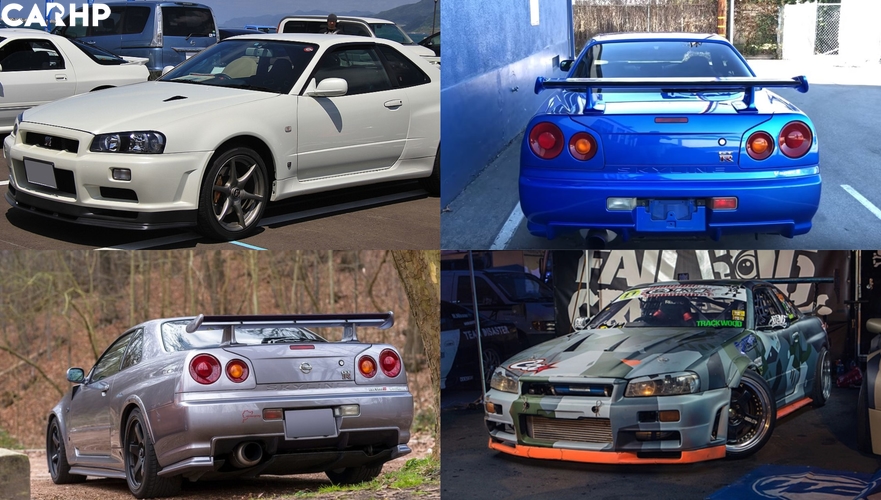
Alright, let's get down to brass tacks. The question of Nissan Skyline GT-R R34 legality in the United States is a complex one, mired in legal jargon and federal regulations. The short answer is: it's complicated. The longer answer, which we’ll dive into here, involves the infamous 25-year import rule, the NHTSA, EPA, and a whole lot of paperwork.
The 25-Year Import Rule: The Biggest Hurdle
The single most significant factor determining whether you can legally drive a Skyline GT-R R34 on US roads is the 25-year import rule. This federal law, formally known as the Import Vehicle Safety Compliance Act of 1988, states that any car not originally manufactured to meet US Federal Motor Vehicle Safety Standards (FMVSS) is prohibited from being permanently imported until it is 25 years old, calculated from the date of manufacture.
Why 25 years? The rationale is that after this period, the vehicle is considered a "classic" or "historical" vehicle and is exempt from needing to meet the stringent modern safety and emissions standards. Think of it as a grandfather clause for cars. Because the R34 Skyline was produced from 1999 to 2002, the earliest models became legal for import in 2024. So now in 2024, we are just starting to see legal R34 imports.
Important Considerations: The 25-year rule isn't based on the model year of the car; it's based on the actual date of manufacture. You'll need to verify this using the VIN (Vehicle Identification Number) and the car's original documentation. Don't rely on hearsay or assumptions.
The NHTSA and FMVSS: Why Skylines Weren't Originally Legal
The National Highway Traffic Safety Administration (NHTSA) is the US government agency responsible for setting and enforcing FMVSS. These standards cover everything from seatbelts and airbags to crashworthiness and lighting. The Nissan Skyline GT-R R34, when new, wasn't designed or manufactured to comply with these standards for several reasons:
- Different Safety Philosophies: Japanese safety standards differed significantly from US standards, particularly in areas like bumper design and side-impact protection.
- Cost: Modifying the car to meet FMVSS would have been prohibitively expensive for Nissan, especially considering the relatively small potential US market for a high-performance coupe.
- Strategic Marketing: Nissan likely chose to focus its US efforts on other models that were already compliant with FMVSS and catered to a broader consumer base.
FMVSS non-compliance is the crux of the issue. It's why you can't simply import a brand-new R34 from Japan and register it. The car, as originally built, doesn't meet the minimum safety requirements established by the US government.
The EPA and Emissions: Another Layer of Complexity
While the NHTSA focuses on safety, the Environmental Protection Agency (EPA) regulates vehicle emissions. Similar to FMVSS, the Skyline GT-R R34 didn't meet US emissions standards when it was originally manufactured. This means that even if you overcome the 25-year rule, you still need to ensure your imported Skyline complies with EPA regulations. However, for vehicles over 21 years old (note the difference from the 25-year rule), EPA regulations are usually less stringent and easier to navigate. The EPA generally considers these older vehicles "exempt" from needing to meet current emissions standards, as long as they are maintained in their original configuration.
Important Note: Tampering with emissions control systems is a federal offense, regardless of the car's age. Don't remove catalytic converters or modify the engine in a way that violates EPA regulations.
The "Show and Display" Exemption: A Limited Loophole
There's a provision called the "Show and Display" exemption under the NHTSA regulations. This allows for the importation of vehicles that are deemed to be of "historical or technological significance" even if they don't meet FMVSS. However, this exemption comes with significant restrictions. Vehicles imported under the "Show and Display" rule can only be driven a limited number of miles per year (typically 2,500 miles), and they can only be used for display purposes or at exhibitions. The R34 Skyline GT-R has been eligible for "Show and Display" for certain rare models, but getting approved can be difficult and is not a reliable pathway to daily-driving an R34.
Why It's Not Ideal: The mileage restriction makes the "Show and Display" exemption impractical for most enthusiasts who want to actually drive their R34. Plus, the application process can be lengthy and costly, with no guarantee of approval.
How to (Legally) Import an R34 Skyline: The Steps
If you're serious about importing an R34 Skyline GT-R, here's a breakdown of the steps involved, assuming the car meets the 25-year rule:
- Verify Eligibility: Double-check the car's date of manufacture to ensure it's at least 25 years old. This is non-negotiable.
- Find a Reputable Importer: Work with an experienced importer who specializes in importing cars from Japan. They can guide you through the process and handle the complex paperwork.
- Pre-Purchase Inspection: Before buying the car, have it inspected by a qualified mechanic in Japan. This will help you identify any potential mechanical issues or modifications that could affect its legality.
- Shipping and Customs: The importer will arrange for the car to be shipped to the US and handle customs clearance. This involves paying import duties and taxes.
- EPA Compliance: Ensure the car meets EPA emissions requirements (usually straightforward for vehicles over 21 years old, as explained above).
- NHTSA Compliance (Technically Exempt After 25 Years): While the 25-year rule exempts the car from FMVSS, you'll still need to complete certain paperwork with the NHTSA to demonstrate compliance with the rule.
- State Registration: Once the car is cleared by federal agencies, you'll need to register it with your state's Department of Motor Vehicles (DMV). Be prepared to provide documentation proving its legality.
Documentation is Key: You'll need to provide a plethora of documents, including the original title, bill of sale, shipping documents, EPA declarations, and NHTSA paperwork. Keep everything organized and be prepared to answer questions from customs officials and DMV personnel.
Potential Pitfalls and Red Flags
Be wary of deals that seem too good to be true. There are unscrupulous individuals who try to import Skylines illegally or sell them without proper documentation. Here are some red flags to watch out for:
- Missing VIN: A missing or altered VIN is a major red flag. It could indicate that the car is stolen or has been involved in an accident.
- Salvage Title: A salvage title indicates that the car has been declared a total loss by an insurance company. It may be difficult to register a car with a salvage title.
- Lack of Documentation: If the seller can't provide the necessary documentation (title, bill of sale, import documents), walk away.
- "Gray Market" Importers: Avoid importers who operate in the "gray market" and promise to circumvent the rules. They may be engaging in illegal activities that could get you into trouble.
Remember, due diligence is crucial. Don't rush into a purchase without thoroughly investigating the car's history and the seller's reputation.
R34 Legality Summary
To summarize:
R34 Skylines are now entering the US market legally under the 25-year import rule. The earliest models (manufactured in 1999) became eligible in 2024. Other R34s will become eligible as they turn 25 years old.
Prior to the 25 year rule, importing and registering an R34 was nearly impossible for normal road use.
While importing an R34 Skyline can be a rewarding experience, it's essential to do your homework and follow the rules. Don't cut corners or try to circumvent the law. The consequences could include fines, vehicle seizure, and even criminal charges. By understanding the regulations and working with reputable professionals, you can legally import and enjoy this iconic Japanese sports car.