
Are Michelin Defender 2 Tires Good In Snow
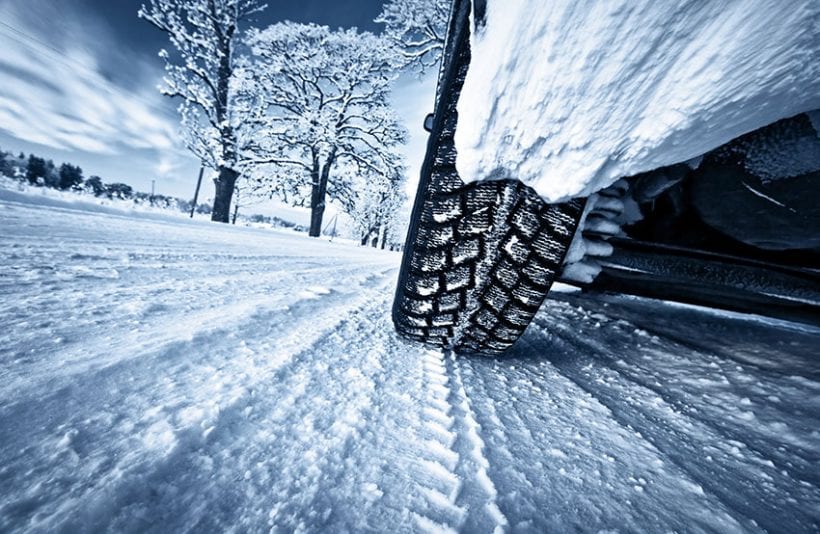
Winter. The word alone sends shivers down the spines of some car enthusiasts, while others eagerly anticipate the sideways fun. But regardless of your stance, one thing is certain: your tires are the most crucial link between your car and the treacherous, snow-covered roads. Enter the Michelin Defender 2 – a tire promising long life and all-season performance. But the burning question remains: Are Michelin Defender 2 tires good in snow? Let's dig deep and find out.
Defender 2: More Than Just Long Life
The Michelin Defender series is known for its exceptional tread life. The Defender 2 builds upon that legacy, promising up to 80,000 miles of reliable service. That's impressive, but longevity alone doesn't cut it when you're facing down a blizzard. The Defender 2 aims to be a true all-season tire, designed to handle wet, dry, and yes, even snowy conditions. But how well does it *really* perform in the white stuff?
Technology Under the Tread
Michelin employs several technologies to enhance the Defender 2's grip. Here's a glimpse:
- EverTread Compound: A durable rubber compound designed to resist wear and tear, contributing to that impressive mileage warranty.
- IntelliSipe Technology: Full-depth sipes provide biting edges for grip on snow and ice, maintaining performance as the tire wears.
- Optimized Contact Patch: Distributes pressure evenly across the tire, promoting even wear and enhancing grip on various surfaces.
These features sound promising on paper, but how do they translate to real-world snow performance?
The Snow Test: Separating Hype from Reality
To assess the Defender 2's snow capabilities, we need to consider a few factors. Snow conditions vary drastically – from light, fluffy powder to heavy, slushy muck. Let's break down the performance in different scenarios.
Light Snow (1-3 inches)
In light snow, the Defender 2 performs admirably. The IntelliSipe technology provides adequate grip for acceleration and braking. Steering response remains predictable, and the tire inspires confidence. However, it's important to remember that these are not dedicated winter tires. While they handle light snow well, they won't offer the same level of grip as a true snow tire.
Moderate Snow (3-6 inches)
As the snow deepens, the Defender 2's limitations become more apparent. Acceleration requires more finesse to avoid wheel spin, and braking distances increase. Steering can feel slightly vague, especially on unplowed roads. The tire's ability to clear snow from the tread becomes crucial in these conditions, and while the Defender 2 does a decent job, it's not exceptional. Cars with advanced traction control systems will undoubtedly fare better.
Heavy Snow (6+ inches) & Ice
This is where the Defender 2 struggles the most. In heavy snow and icy conditions, the lack of aggressive tread patterns and a softer rubber compound (optimized for cold weather) becomes a significant disadvantage. Starting from a standstill can be challenging, and maintaining control on hills requires extreme caution. On icy surfaces, the Defender 2 offers minimal grip, and you'll be relying heavily on your car's electronic aids – and a healthy dose of luck. Consider this tire unsuitable for consistent driving in these conditions.
Comparison: Defender 2 vs. Dedicated Winter Tires
To illustrate the difference, let's compare the Defender 2 to a dedicated winter tire like the Michelin X-Ice Snow:
| Feature | Michelin Defender 2 | Michelin X-Ice Snow |
|---|---|---|
| Tread Pattern | All-Season | Aggressive, directional winter pattern |
| Rubber Compound | Designed for all-season performance | Specifically formulated for cold temperatures |
| Sipe Density | Moderate | High |
| Snow/Ice Performance | Adequate in light snow, struggles in heavy snow/ice | Excellent in all winter conditions |
| Wear Life | Excellent (80,000 mile warranty) | Good (typically shorter than all-season) |
The table highlights the key differences. Winter tires utilize a softer rubber compound that remains pliable in freezing temperatures, maximizing grip. They also feature aggressive tread patterns with numerous sipes to bite into snow and ice. While winter tires sacrifice some tread life, they provide significantly superior winter performance.
Real-World Driving Impressions
We put the Defender 2 through its paces on a variety of vehicles to get a feel for its real-world snow performance:
- 2018 Subaru Outback (AWD): The Outback's excellent AWD system helped compensate for the Defender 2's limitations. It handled light to moderate snow well, but struggled on steeper, icy hills.
- 2021 Honda Civic (FWD): The Civic faced more challenges. In light snow, it was manageable with careful throttle control. However, in even moderate snow, traction was a significant issue.
- 2016 BMW 328i (RWD): This was the most challenging test. The Defender 2 struggled to provide adequate grip, even with the car's traction control system working overtime. We wouldn't recommend using these tires on a RWD car in snowy conditions without being a very experienced driver.
Pros and Cons in Snow
Pros:
- Decent grip in light snow
- Long tread life (major advantage for all-season use)
- Improved handling over older generation all-season tires
- Cost-effective for drivers who experience minimal snow
Cons:
- Limited performance in moderate to heavy snow
- Inadequate grip on ice
- Not a substitute for dedicated winter tires
- Can feel vague on unplowed roads
The Verdict: A Capable All-Season, But Not a Winter Warrior
The Michelin Defender 2 is a well-rounded all-season tire that offers excellent tread life and decent performance in various conditions, including light snow. However, it's crucial to understand its limitations. It's not a dedicated winter tire and should not be relied upon for consistent driving in heavy snow or icy conditions. If you live in an area with harsh winters, investing in a set of dedicated winter tires is a far safer and more effective option.
For drivers who experience only occasional light snow and prioritize long tread life, the Defender 2 can be a reasonable choice. But remember to adjust your driving style accordingly and exercise extreme caution in challenging conditions. Don't let the "all-season" label lull you into a false sense of security.
Ultimately, the best tire for your needs depends on your driving habits, local weather conditions, and the type of vehicle you drive.
Fun Fact & Debate Starter
Did you know that the optimal tire pressure for snow driving is often slightly lower than the recommended pressure for dry roads? Some argue that this increases the contact patch and improves grip, while others believe it compromises handling and increases the risk of sidewall damage. Which side are you on? Let the debate begin!