
Automatic Transmission Fluid Flow Diagram
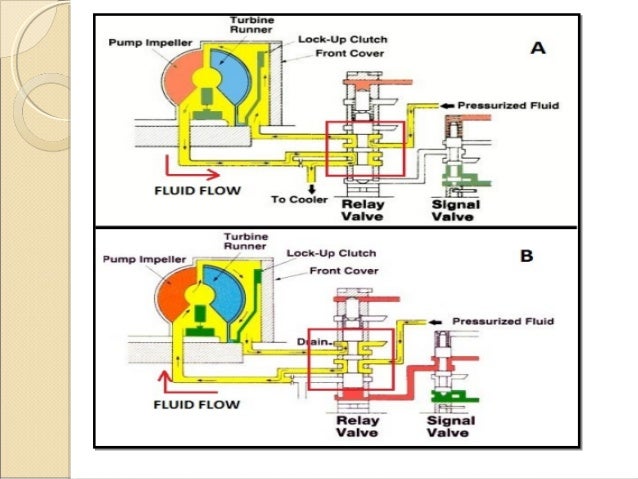
Understanding the automatic transmission fluid (ATF) flow diagram is crucial for both car owners and mechanics to ensure the longevity and smooth operation of a vehicle's transmission. This article will delve into the complexities of ATF flow, covering maintenance, troubleshooting, and real-world issues, offering a problem-solution approach to keep your car shifting flawlessly.
The Automatic Transmission Fluid (ATF) Flow Circuit
The ATF flow circuit is a closed-loop system designed to lubricate, cool, and hydraulically control the various components within the automatic transmission. It typically includes the following key components:
- Fluid Reservoir (Transmission Pan): This is where the ATF is stored.
- Filter: Removes contaminants from the ATF.
- Pump: Circulates the ATF throughout the system.
- Valve Body: Directs ATF to the appropriate clutches and bands for gear selection.
- Torque Converter: Transfers engine power to the transmission, using ATF as a medium.
- Cooler: Dissipates heat from the ATF, usually located within the radiator or as a separate unit.
- Lubrication Circuits: Channels ATF to various bearings and gears for lubrication.
The flow begins with the pump drawing ATF from the pan, through the filter, and then pressurizing it. This pressurized ATF is then directed by the valve body to engage the appropriate clutches and bands, resulting in gear changes. The ATF also flows through the torque converter, providing the hydraulic coupling between the engine and transmission. After circulating through the transmission, the ATF is routed to the cooler to dissipate heat before returning to the pan.
Maintenance: Keeping the ATF Flowing Smoothly
Proper maintenance is paramount for ensuring optimal ATF flow and preventing transmission problems. Here's what you need to know:
ATF Level Check
Problem: Low ATF level. Symptoms include slipping gears, harsh shifting, or complete transmission failure.
Cause: Leaks, often from seals or lines. Also, sometimes due to burning fluid from high temperatures.
Solution: Regularly check the ATF level using the dipstick (if equipped) or following the manufacturer's instructions for vehicles without a dipstick. If the level is low, add the correct type of ATF. Inspect for leaks and repair them promptly. For example, on a Toyota Camry (2007-2011), checking the dipstick after warming up the engine is crucial for an accurate reading.
ATF and Filter Replacement
Problem: Contaminated or degraded ATF. Symptoms include sluggish shifting, transmission overheating, and reduced fuel economy.
Cause: Normal wear and tear, excessive heat, and infrequent fluid changes.
Solution: Follow the manufacturer's recommended ATF change interval. It's generally recommended to replace the ATF and filter every 30,000 to 60,000 miles, depending on driving conditions. When changing the ATF, use the correct type specified by the manufacturer. Using the wrong ATF can cause significant damage. For instance, many modern Honda vehicles (e.g., Accord, Civic) require Honda Genuine ATF DW-1 or ATF Type 3. Using a generic ATF can lead to shifting problems and premature wear.
Cooler Inspection
Problem: Blocked or damaged cooler. Symptoms include transmission overheating and ATF degradation.
Cause: Debris buildup, corrosion, or physical damage from road debris.
Solution: Inspect the cooler for damage and ensure it's free of debris. Consider flushing the cooler during ATF changes to remove any accumulated contaminants. If the cooler is severely damaged, replace it. Many Ford F-150 models, especially those used for towing, benefit from aftermarket transmission coolers to enhance cooling capacity and prevent overheating.
Troubleshooting ATF Flow Issues
When problems arise in the ATF flow circuit, it's essential to diagnose them accurately to avoid costly repairs.
No ATF Flow
Problem: Complete lack of ATF flow. Symptoms include no engagement of any gear and a whining noise from the transmission.
Cause: Pump failure, clogged filter, or a major leak in the system.
Solution: Check the ATF level. If it's full, inspect the pump for damage. A pressure test can confirm pump functionality. Replace the pump if necessary. Check for a clogged filter and replace it. Inspect all lines and fittings for leaks. On some older GM vehicles (e.g., Chevy Silverado), a common issue is a cracked pump housing, leading to pressure loss and no ATF flow.
Restricted ATF Flow
Problem: Restricted ATF flow. Symptoms include slipping gears, delayed shifting, and overheating.
Cause: Clogged filter, restricted cooler lines, or a malfunctioning valve body.
Solution: Replace the filter. Inspect and flush the cooler lines to remove any obstructions. A valve body issue requires careful diagnosis and may involve cleaning, repair, or replacement. Valve body issues are common in Nissan vehicles (e.g., Altima, Maxima) equipped with CVT transmissions. Symptoms often include jerky acceleration and a lack of power. Replacing or rebuilding the valve body is often the solution.
Internal Leaks
Problem: Internal ATF leaks. Symptoms include slipping gears, harsh shifting, and reduced fuel economy.
Cause: Worn seals, damaged clutch packs, or cracked transmission housing.
Solution: This often requires a transmission rebuild or replacement. A leak-down test can help identify the source of the leak. Internal transmission damage can lead to ATF mixing with coolant if the cooler is integrated into the radiator causing a milky appearance of the ATF and coolant. This is a serious issue requiring immediate attention. On Jeep Grand Cherokee models (2011-2013), a faulty cooler design sometimes leads to this problem.
External Leaks
Problem: External ATF leaks. Obvious signs of red or brown fluid leaking from the transmission area.
Cause: Damaged seals, gaskets, or lines, loose fittings, or cracks in the transmission housing or pan.
Solution: Identify the source of the leak. Replace damaged seals, gaskets, or lines. Tighten loose fittings. Repair or replace cracked components. Pay special attention to the output shaft seal, input shaft seal, and the transmission pan gasket. Over-tightening the transmission pan bolts can also cause warping and leaks.
Real-World Examples and Case Studies
Consider a 2015 Honda CR-V experiencing harsh shifting and delayed engagement of gears. A mechanic, understanding the ATF flow, would first check the ATF level and condition. If the ATF is dark and smells burnt, it indicates degradation. A fluid and filter change, using Honda Genuine ATF DW-1, might resolve the issue. If the problem persists, a more in-depth investigation of the valve body and solenoid operation may be necessary.
Another example: A 2012 Ford Explorer experiencing transmission overheating. The mechanic should inspect the transmission cooler for damage or blockage. If the cooler is restricted, flushing it or replacing it might solve the problem. Additionally, checking the thermostat and cooling system to ensure proper engine cooling is essential, as engine overheating can contribute to transmission overheating.
Keeping Your Car in Top Condition
To ensure your automatic transmission operates smoothly and reliably, follow these preventative maintenance tips:
- Regularly check the ATF level and condition.
- Adhere to the manufacturer's recommended ATF and filter change intervals.
- Inspect the transmission cooler for damage and ensure proper airflow.
- Avoid harsh driving habits, such as frequent hard acceleration and braking.
- Address any transmission issues promptly to prevent further damage.
- Use only the ATF specified by the manufacturer.
By understanding the ATF flow diagram and following these maintenance and troubleshooting tips, car owners and mechanics can work together to keep automatic transmissions operating smoothly for years to come. A proactive approach to transmission maintenance can save you significant money and hassle in the long run.