
Average Cost To Repair Chip In Windshield
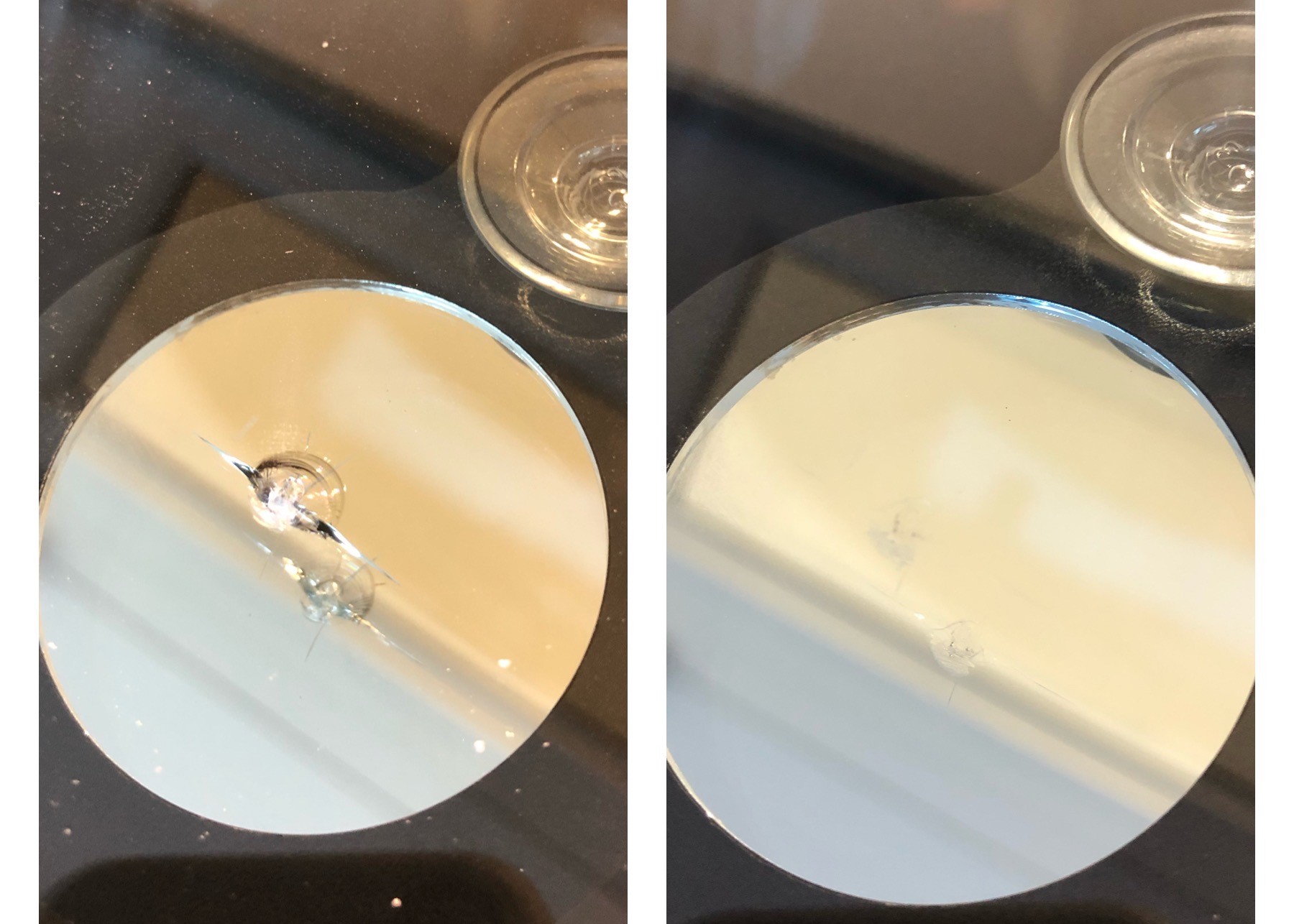
A chipped windshield can be more than just an eyesore; it's a safety hazard that can quickly escalate into a much larger, more expensive problem. Understanding the average cost to repair a chip, the factors influencing that cost, and the steps you can take to prevent further damage is crucial for every car owner and mechanic.
Understanding Windshield Chip Repair Costs
The average cost to repair a windshield chip typically ranges from $60 to $150. However, this is just a guideline. Several factors can significantly impact the final price.
Factors Influencing Repair Costs:
- Size and Location of the Chip: Smaller chips (less than an inch in diameter) are generally cheaper to repair. Chips located directly in the driver's line of sight might require replacement, significantly increasing the cost.
- Type of Damage: Simple chips are easier and cheaper to repair than more complex damage, such as cracks extending from the chip. Star-shaped or bullseye chips are common types.
- Vehicle Model: Some vehicles, particularly those with advanced driver-assistance systems (ADAS) that rely on windshield-mounted sensors (like lane departure warning on a Toyota Camry or automatic emergency braking on a Honda Civic), require recalibration after windshield repair or replacement. This calibration can add several hundred dollars to the overall cost.
- Repair Shop and Location: Labor rates vary depending on the repair shop and its geographic location. Dealerships often charge higher rates compared to independent auto glass repair shops.
- Insurance Coverage: Many insurance policies offer windshield repair coverage with a low or zero deductible. Check your policy to understand your coverage options.
Troubleshooting and Problem-Solution Approach
Let's delve into common symptoms, causes, and fixes related to windshield chips.
Symptom: Small Chip in Windshield
Cause: Impact from small rocks, gravel, or road debris kicked up by other vehicles.
Solution: Prompt repair is crucial. The longer you wait, the higher the risk of the chip spreading into a larger crack due to temperature changes, vibrations, and stress on the windshield. A professional auto glass technician will clean the chip, inject a special resin, and cure it with UV light. This process restores the structural integrity of the windshield and prevents further damage. For example, a small chip on a Subaru Forester's windshield, if left unattended, can quickly become a large crack, especially during winter months with fluctuating temperatures.
Symptom: Crack Extending from the Chip
Cause: The initial chip weakens the glass, making it susceptible to cracking under stress. Temperature fluctuations, bumps in the road, or even car washes can exacerbate the damage.
Solution: If the crack is relatively short (generally under 6 inches), repair might still be possible. However, if the crack is longer, located near the edge of the windshield, or obstructs the driver's vision, windshield replacement is usually necessary. Replacing a windshield on a Ford F-150, especially one equipped with rain sensors, requires careful installation and sensor recalibration.
Symptom: Multiple Chips in the Windshield
Cause: Frequent exposure to road debris, often encountered on highways or gravel roads.
Solution: While repairing individual chips is an option, having multiple chips weakens the overall windshield structure. Depending on the number and location of the chips, replacement might be the most cost-effective and safest solution. For example, a Jeep Wrangler driven frequently off-road might accumulate multiple chips, making a full replacement a more sensible choice than numerous repairs.
Real-World Issues and Considerations
One common issue is the misconception that a small chip is harmless. Many car owners delay repair, thinking it's not a big deal. However, even a small chip can compromise the windshield's structural integrity, making it more vulnerable in an accident. Additionally, a chip in the driver's line of sight can be a distraction and even an obstruction, potentially leading to accidents.
Another issue arises with DIY repair kits. While these kits might seem like a cost-effective solution, they often yield unsatisfactory results, especially in the hands of inexperienced users. Improper application can lead to cosmetic issues, further damage to the windshield, or failure to properly bond the glass, compromising safety. Professional repair ensures proper adhesion and optimal clarity.
Preventive Maintenance for Windshields
Prevention is always better than cure. Here are some tips to minimize the risk of windshield chips:
- Maintain a Safe Following Distance: This reduces the chance of being hit by rocks and debris kicked up by other vehicles.
- Avoid Driving on Gravel Roads When Possible: Gravel roads are notorious for loose stones that can easily damage windshields.
- Check Windshield Wipers Regularly: Worn or damaged wiper blades can scratch the windshield surface, making it more susceptible to chips and cracks.
- Park in Covered Areas: Parking under a garage or carport can protect your windshield from extreme temperature changes and falling debris.
- Consider Windshield Protection Film: Applying a clear protective film to your windshield can help absorb the impact of small rocks and debris, reducing the risk of chips and cracks.
Keeping Your Car in Top Condition
Maintaining your car in top condition requires a proactive approach. Regular maintenance, including oil changes, tire rotations, and brake inspections, is essential. Addressing minor issues promptly, like a small windshield chip, can prevent them from escalating into more significant and costly problems. By staying vigilant and informed, both car owners and mechanics can work together to ensure vehicle safety and longevity.