
Average Lifespan Of Nissan Sentra
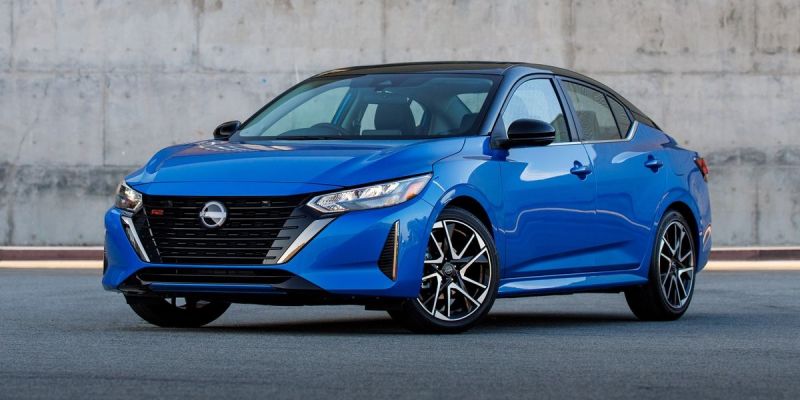
The Nissan Sentra, a stalwart in the compact sedan segment, has been a familiar sight on roads worldwide for over four decades. Its longevity is a testament to its generally reliable nature, but just how long can you expect a Sentra to last? Understanding the factors influencing its lifespan, from engine options to maintenance schedules, is key for both prospective buyers and current owners.
The Average Lifespan: Miles and Years
While anecdotal evidence varies, a well-maintained Nissan Sentra typically lasts between 200,000 and 250,000 miles. This translates to roughly 13 to 17 years of service, assuming average annual mileage of 15,000 miles. However, several factors can significantly impact this estimate, pushing it higher or, unfortunately, lower.
Factors Affecting Longevity
Several key elements dictate the lifespan of any vehicle, and the Sentra is no exception:
- Maintenance History: This is arguably the most crucial factor. Following the manufacturer's recommended maintenance schedule, including regular oil changes, fluid flushes, and timely replacement of wear items like brake pads and tires, is paramount. Neglecting maintenance leads to accelerated wear and tear, potentially causing premature component failure.
- Driving Habits: Aggressive driving, characterized by frequent hard acceleration, braking, and high-speed cruising, puts considerable strain on the engine, transmission, and suspension. Conversely, smoother, more conservative driving habits contribute to increased longevity.
- Environmental Conditions: Extreme temperatures, corrosive road salt in winter climates, and prolonged exposure to harsh sunlight can all accelerate deterioration of various vehicle components, including rubber seals, hoses, and paint.
- Model Year and Engine Type: Specific model years and engine configurations have inherent strengths and weaknesses. For example, earlier models may have simpler designs but lack modern advancements, while newer models may offer improved fuel efficiency but potentially more complex electronics.
Examining Engine Options Through the Years
The Nissan Sentra has been offered with a variety of engines throughout its history. Analyzing their general reliability provides insight into potential longevity:
- Pre-2000s Engines (GA16DE, SR20DE): These engines, known for their robust construction and relative simplicity, are often cited for their longevity. With proper maintenance, exceeding 250,000 miles isn't uncommon. However, age-related issues like worn seals and vacuum leaks are inevitable.
- 2000s-2012 (QG18DE, MR20DE): The QG18DE, while generally reliable, was prone to issues like pre-catalytic converter failure, potentially damaging the engine. The later MR20DE offered improvements but still requires diligent oil change intervals to prevent timing chain issues.
- 2013-Present (MRA8DE): This engine, used in more recent Sentra models, is generally considered reliable, although some owners have reported issues with the continuously variable transmission (CVT), which we'll discuss later.
The CVT Conundrum: A Potential Achilles Heel
The Continuously Variable Transmission (CVT), introduced in many Nissan Sentra models, offers improved fuel economy. However, its long-term reliability has been a subject of debate. Unlike traditional automatic transmissions with fixed gear ratios, the CVT utilizes a belt-and-pulley system to provide a seamless range of gear ratios.
While CVTs can offer a smoother driving experience, they are more sensitive to maintenance. Regular fluid changes, using the correct Nissan CVT fluid, are crucial. Neglecting fluid changes can lead to premature belt wear and eventual transmission failure. It's highly recommended to follow a more frequent fluid change interval than Nissan's recommendation, especially under severe driving conditions.
A CVT failure can be costly, often exceeding $3,000 to $5,000 for a replacement. Therefore, a thorough inspection of the CVT's condition is essential when purchasing a used Sentra equipped with one. Listen for any unusual noises, such as whining or slipping, during a test drive. A pre-purchase inspection by a qualified mechanic is highly advisable.
Common Problems and Repair Costs
Regardless of the model year, certain issues are more prevalent in Nissan Sentras. Addressing these promptly can extend the vehicle's lifespan:
- Oxygen Sensors: Replacement costs typically range from $150 to $300 per sensor, depending on location and labor.
- Catalytic Converter: Replacement can be expensive, ranging from $800 to $1500.
- Wheel Bearings: Replacement costs around $200 to $400 per wheel.
- Suspension Components (Struts, Shocks, Control Arms): These wear items require periodic replacement, with costs varying depending on the specific component and labor rates.
- CVT Issues (as discussed above): Addressing CVT problems early can potentially save a significant amount of money compared to a full transmission replacement.
Maintenance is Key: Extending Your Sentra's Life
Proactive maintenance is the single most effective way to maximize the lifespan of your Nissan Sentra. Adhere to the following guidelines:
- Oil Changes: Change the oil and filter every 3,000 to 5,000 miles, or as recommended by the manufacturer, using the correct oil viscosity.
- Fluid Flushes: Regularly flush and replace engine coolant, brake fluid, power steering fluid, and transmission fluid (especially CVT fluid).
- Tire Maintenance: Rotate and balance tires every 6,000 to 8,000 miles to ensure even wear and optimal handling.
- Brake Service: Inspect brake pads and rotors regularly and replace them as needed.
- Spark Plugs: Replace spark plugs according to the manufacturer's recommended interval.
- Regular Inspections: Have a qualified mechanic inspect your Sentra periodically for any potential problems.
The Bottom Line: A Solid Choice with Proper Care
The Nissan Sentra offers a compelling combination of affordability, fuel efficiency, and reliability. While certain model years and the CVT transmission require extra attention, a well-maintained Sentra can easily provide many years and hundreds of thousands of miles of dependable service. By prioritizing regular maintenance and addressing potential issues promptly, you can maximize your investment and enjoy a long and trouble-free ownership experience.
Ultimately, the lifespan of your Nissan Sentra is largely dependent on you. Diligence in maintenance, responsible driving habits, and proactive repairs will significantly impact its longevity. With proper care, your Sentra can be a reliable and economical transportation option for years to come.