
Awd Lock On Nissan Rogue
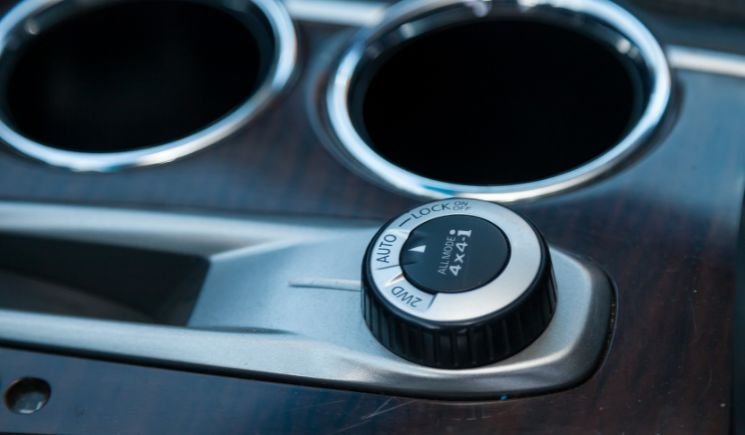
The Nissan Rogue, a popular compact SUV, offers an AWD (All-Wheel Drive) system designed to enhance traction and stability in various driving conditions. A key component of this system is the "AWD Lock" feature, which, while not a true locking differential in the traditional sense, provides enhanced grip when needed. This article will delve into the specifics of the Nissan Rogue's AWD Lock system, exploring its function, limitations, proper usage, and potential issues.
Understanding the Rogue's AWD System
Before diving into the AWD Lock, it's crucial to understand the underlying AWD system of the Nissan Rogue. The Rogue employs an electronically controlled, on-demand AWD system. This means that under normal driving conditions, the vehicle primarily operates in front-wheel drive (FWD) to maximize fuel efficiency. However, sensors constantly monitor wheel speed, throttle position, and other parameters. When the system detects wheel slippage, or anticipates a loss of traction (e.g., during hard acceleration), it automatically engages the rear wheels to provide additional grip.
The distribution of torque between the front and rear axles is managed by an electronically controlled coupling, typically a multi-plate clutch pack. This coupling variably engages to transfer power to the rear wheels. Unlike a traditional mechanical AWD system, there's no fixed torque split; the system dynamically adjusts the power distribution based on real-time conditions.
What is AWD Lock and How Does It Work?
The AWD Lock button, typically found on the center console of the Rogue, doesn't create a true mechanically locked four-wheel-drive system like you might find in a dedicated off-road vehicle. Instead, it essentially biases the torque split towards a 50:50 distribution between the front and rear axles. This provides maximum traction in slippery conditions such as snow, mud, or loose gravel.
When AWD Lock is engaged, the electronic control unit (ECU) instructs the AWD coupling to apply more pressure, effectively preloading the clutch pack. This minimizes slippage within the coupling and delivers a more consistent and predictable distribution of power to all four wheels. It's important to note that this is not a permanent lock. The system is designed to disengage AWD Lock automatically under certain conditions, such as exceeding a specific speed (typically around 18-25 mph, depending on the model year) to prevent overheating and potential damage to the AWD system. Some models might also disengage the lock if the ABS or stability control systems are heavily engaged.
Think of it like this: without AWD Lock, the system reacts to slippage. With AWD Lock engaged, the system proactively anticipates slippage and attempts to mitigate it before it occurs.
Conditions Best Suited for AWD Lock
AWD Lock is most effective in low-speed, low-traction situations. Some ideal scenarios include:
- Driving through deep snow or slush.
- Navigating muddy or sandy terrain.
- Ascending a steep, slippery incline.
- Extracting the vehicle from a stuck situation (e.g., a snowdrift).
It's crucial to remember that AWD Lock doesn't transform the Rogue into a dedicated off-road machine. It's designed to provide supplemental traction in challenging conditions, not to conquer extreme off-road trails.
Limitations and Cautions
While AWD Lock can be a valuable asset, it's essential to understand its limitations and use it responsibly. Overuse or improper application can lead to premature wear and tear on the AWD system.
- Speed Limitations: As mentioned earlier, AWD Lock typically disengages automatically at higher speeds. Continuously operating the system at or near its maximum speed can generate excessive heat within the AWD coupling, potentially leading to damage.
- Dry Pavement: Avoid using AWD Lock on dry pavement. The forced 50:50 torque split can cause binding and stress on the drivetrain, especially during tight turns. This can lead to increased tire wear and potential damage to the AWD coupling.
- Extended Use: Don't rely on AWD Lock for extended periods. It's intended for temporary use in challenging conditions. Prolonged use, even at lower speeds, can generate heat and strain the system.
- Turning on Dry Surfaces: Making sharp turns on a high-traction surface when the AWD lock is engaged can cause what is known as driveline bind. This will cause the wheels to chirp or skip and create extra wear on the AWD system.
The Owner's Manual is your best source for specific guidelines and limitations related to your Rogue's model year and AWD system configuration.
Troubleshooting and Common Issues
Several issues can arise with the Rogue's AWD system, particularly concerning the AWD Lock functionality.
- AWD Lock Not Engaging: If the AWD Lock button illuminates but the system doesn't seem to be engaging, it could be due to several factors:
- Speed Exceeded: Ensure you are driving below the speed threshold for AWD Lock engagement.
- System Fault: A fault in the AWD system, indicated by a warning light on the dashboard, could prevent AWD Lock from engaging. This often requires diagnostic scanning to pinpoint the issue.
- Faulty AWD Coupling: The AWD coupling itself could be malfunctioning, preventing proper torque transfer.
- AWD Warning Light: An illuminated AWD warning light signals a problem with the system. This could be triggered by a variety of issues, including sensor failures, coupling malfunctions, or ECU problems.
- Overheating: Excessive use of AWD Lock, especially at higher speeds, can lead to overheating. The system may temporarily disengage, and a warning light may illuminate. Allow the system to cool down before attempting to re-engage AWD Lock.
- Unusual Noises: Grinding, clicking, or whining noises from the rear of the vehicle, particularly during turns, could indicate a problem with the rear differential or the AWD coupling.
For any persistent AWD system issues, it's essential to consult a qualified mechanic or Nissan dealership for diagnosis and repair. Diagnostic tools can read error codes and pinpoint the source of the problem.
Maintenance and Prevention
Proper maintenance is crucial for ensuring the longevity and reliability of the Rogue's AWD system. Here are some key maintenance tips:
- Regular Fluid Changes: Follow the manufacturer's recommended service intervals for changing the rear differential fluid. This fluid lubricates and cools the gears and bearings in the differential, preventing wear and tear.
- Inspect for Leaks: Periodically inspect the rear differential and AWD coupling for any signs of fluid leaks. Address leaks promptly to prevent fluid loss and potential damage.
- Tire Maintenance: Ensure that all four tires are properly inflated and have consistent tread depth. Uneven tire wear can strain the AWD system and affect its performance.
- Avoid Overloading: Avoid overloading the vehicle beyond its recommended capacity. Excessive weight can put added stress on the AWD system, particularly during challenging driving conditions.
AWD Lock vs. Other Traction Aids
It's important to distinguish between the Rogue's AWD Lock and other traction-enhancing features that may be present in the vehicle, such as:
- Traction Control System (TCS): TCS uses sensors to detect wheel spin and applies braking force to individual wheels to redirect torque to the wheels with more grip. It works in conjunction with the AWD system but is primarily focused on preventing wheel spin rather than proactively distributing torque.
- Electronic Stability Control (ESC): ESC uses sensors to detect skidding or loss of control and applies braking force to individual wheels and/or reduces engine power to help the driver maintain control. ESC complements the AWD system but focuses on stability rather than pure traction.
AWD Lock provides a more proactive approach to traction enhancement, while TCS and ESC are primarily reactive systems designed to prevent wheel spin and maintain stability.
Aftermarket Options and Modifications
While aftermarket options for modifying the Rogue's AWD system are relatively limited, some owners explore options such as:
- Performance Tuning: Some performance tuning companies offer ECU remapping services that can potentially alter the behavior of the AWD system, such as increasing the torque bias to the rear wheels or modifying the speed threshold for AWD Lock disengagement. However, such modifications can void the manufacturer's warranty and potentially damage the AWD system.
- Suspension Upgrades: Upgrading the suspension with aftermarket components, such as lift kits or stiffer springs and dampers, can improve the Rogue's off-road capability to some extent. However, it's important to ensure that such upgrades are compatible with the AWD system and don't negatively impact its performance.
Before considering any aftermarket modifications, it's crucial to thoroughly research the potential risks and benefits and consult with a qualified automotive professional.
Conclusion
The AWD Lock feature on the Nissan Rogue is a valuable tool for enhancing traction in slippery conditions. While not a true mechanically locking differential, it provides a more aggressive and proactive torque distribution compared to the standard on-demand AWD system. By understanding its function, limitations, and proper usage, Rogue owners can maximize the benefits of AWD Lock and ensure the longevity and reliability of their vehicle's AWD system. Remember to consult your owner's manual for specific information related to your model year and to seek professional assistance for any persistent AWD system issues.