
Battery Charger Won T Charge Dead Battery
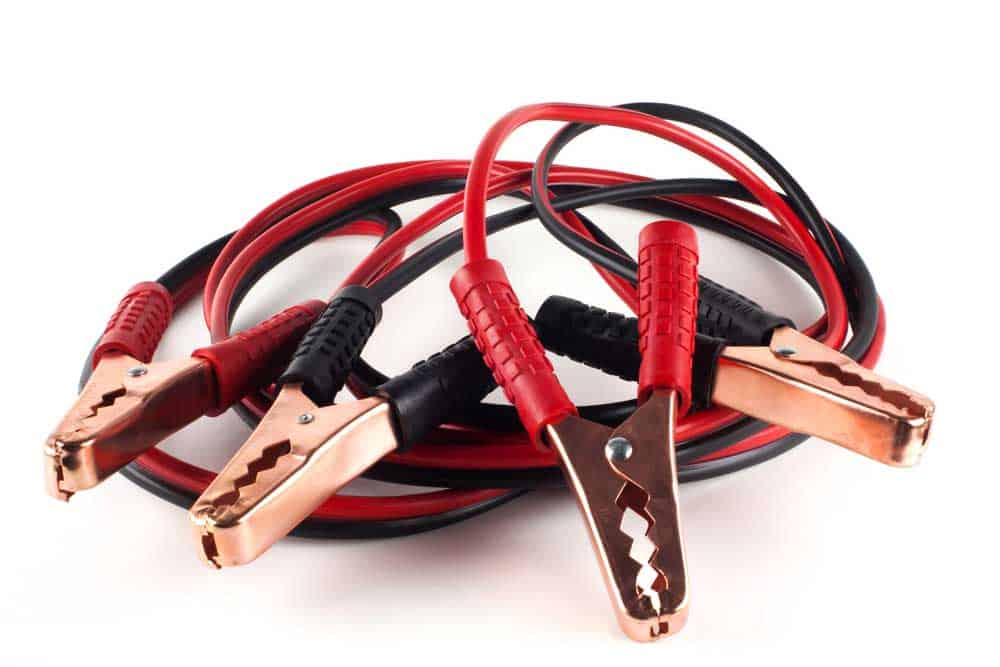
A dead battery is a dreaded situation for any car owner. You turn the key (or press the start button), and nothing happens. You connect your battery charger, hoping for a quick fix, but the charger stubbornly refuses to initiate. What’s going on? Several factors can prevent a battery charger from reviving a completely flat battery, and understanding these reasons is crucial for both DIY enthusiasts and professional mechanics.
Understanding Battery Charger Operation
Before diving into the potential problems, let's quickly review how battery chargers work. Most modern chargers, especially smart chargers, operate in stages. They analyze the battery's condition (voltage, resistance) before delivering a charge. If the charger detects a battery voltage below a certain threshold (typically around 2-3 volts for a 12V battery), it might refuse to initiate charging as a safety precaution. This is because a very low voltage could indicate a shorted cell or severe sulfation, conditions that could potentially damage the charger or even cause a fire. Think of it as a safety interlock preventing the appliance from doing something potentially dangerous.
Common Reasons for Charging Failure
Here's a breakdown of the most likely culprits when your battery charger refuses to cooperate with a dead battery:
- Severe Sulfation: This is arguably the most common reason. Sulfation occurs when lead-acid batteries discharge and remain discharged for extended periods. Lead sulfate crystals form on the battery plates, hindering the chemical reactions necessary for charging. A heavily sulfated battery presents a high internal resistance, making it difficult for the charger to push current through. Some advanced chargers have a desulfation mode that uses high-voltage pulses to break down these crystals, but it's not always effective, especially on severely sulfated batteries.
- Internal Short Circuit: If a cell within the battery has shorted, the overall voltage will be extremely low (sometimes even zero). The charger will recognize this and likely display an error message or simply refuse to start. An internal short is often irreparable, signifying the end of the battery's life.
- Charger Malfunction: Don't immediately blame the battery. The charger itself might be faulty. Try testing the charger on a known good battery to rule this out. Problems could range from a blown fuse inside the charger to a malfunctioning circuit board.
- Incorrect Charger Settings: Ensure the charger is set to the correct voltage (typically 12V for most car batteries) and the appropriate charging amperage. Some chargers offer different profiles for different battery types (e.g., AGM, Gel, Standard Lead-Acid). Using the wrong settings can prevent charging or even damage the battery.
- Poor Connections: Check the connections between the charger clamps and the battery terminals. Corroded terminals or loose connections can impede the flow of current, preventing the charger from detecting the battery or delivering sufficient power. Clean the terminals with a wire brush and ensure the clamps are securely attached.
- Insufficient Charging Time: While a smart charger might refuse to start initially, sometimes a "dumb" or manual charger can provide a small boost to raise the battery voltage to a level acceptable by the smart charger. Connect the manual charger for a brief period (30 minutes to an hour) and then try the smart charger again. Be extremely cautious when using manual chargers as they can easily overcharge and damage a battery if left unattended.
Troubleshooting Steps
Here's a step-by-step approach to diagnose the problem:
- Visual Inspection: Check the battery for any signs of physical damage, such as cracks, bulges, or leaks.
- Terminal Cleaning: Clean the battery terminals and charger clamps thoroughly.
- Charger Verification: Test the charger on a known good battery.
- Voltage Check: Use a multimeter to measure the battery voltage. If it's below 2-3 volts, it's likely severely damaged.
- Manual Charging Attempt: If safe and you have the equipment, try a brief charge with a manual charger.
- Professional Testing: If all else fails, take the battery to an auto parts store or mechanic for professional testing. They have specialized equipment that can assess the battery's condition more accurately.
When to Replace the Battery
In many cases, a completely dead battery is beyond recovery. If the battery is old (over 3-5 years), heavily sulfated, or has an internal short, replacement is the most practical and reliable solution. The cost of a new battery (typically ranging from $100 to $300, depending on the type and brand) is often less than the potential damage caused by a failing battery or the frustration of repeated charging attempts. Investing in a quality battery from a reputable brand like Optima or DieHard can provide years of reliable service.
Remember to properly dispose of the old battery at a recycling center or auto parts store.