
Battery For Troy Bilt Riding Lawn Mower
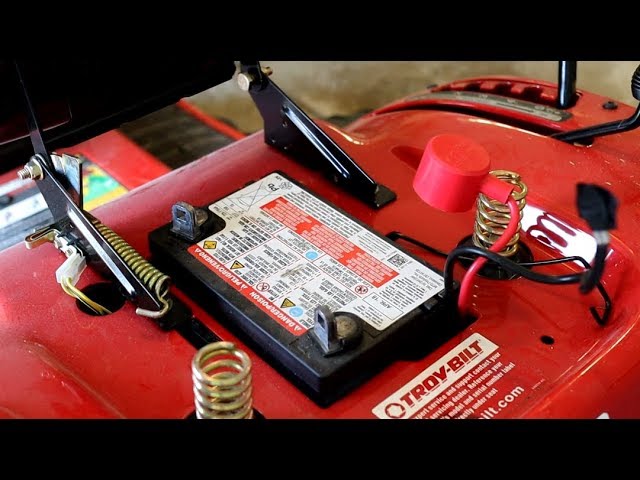
A Troy-Bilt riding lawn mower is a valuable tool for maintaining a well-kept lawn. But like any piece of machinery, it relies on a healthy battery to start and operate efficiently. Choosing the right battery for your Troy-Bilt riding lawn mower is crucial for reliable performance and longevity. This article provides a comprehensive guide to understanding lawn mower batteries, selecting the correct replacement, and maintaining it for optimal performance.
Understanding Your Troy-Bilt Riding Lawn Mower Battery
Before you rush out and buy a new battery, it's important to understand the specifics of your current one and what your Troy-Bilt riding mower requires. Here are some key factors to consider:
Voltage
Most Troy-Bilt riding mowers utilize a 12-volt battery. However, it's absolutely critical to confirm this specification. Check your owner's manual, the existing battery itself (look for a label stating "12V"), or the Troy-Bilt website using your mower's model number. Using the wrong voltage can cause serious damage to your mower's electrical system.
Cold Cranking Amps (CCA)
CCA refers to the battery's ability to start an engine in cold weather. It indicates the number of amps the battery can deliver for 30 seconds at 0°F while maintaining a voltage of at least 7.2 volts. A higher CCA rating generally means more starting power, which is especially beneficial in colder climates or if your mower has a larger engine. Consult your owner's manual for the recommended CCA for your specific Troy-Bilt model. While you can often go slightly higher than the recommended CCA, going significantly lower might result in starting issues.
Amp Hours (Ah)
Amp hours indicate the battery's capacity to deliver a certain amount of current for a specific period. For example, a 20Ah battery can theoretically deliver 1 amp for 20 hours, or 2 amps for 10 hours. While not as critical as CCA for starting, a higher Ah rating can provide longer run times between charges, which can be beneficial if you have a large yard to mow. However, it's generally best to stick with the Ah rating recommended by Troy-Bilt for optimal performance and to avoid over-taxing the charging system.
Battery Type
Riding lawn mower batteries are typically either lead-acid or AGM (Absorbent Glass Mat). Lead-acid batteries are generally less expensive but require more maintenance, such as checking and refilling electrolyte levels. AGM batteries are sealed, maintenance-free, and more resistant to vibration and spills. They also tend to have a longer lifespan. While AGM batteries are more expensive upfront, their benefits often outweigh the cost in the long run. Most newer Troy-Bilt mowers are designed to work well with AGM batteries, so consider this option if you're looking for a hassle-free replacement. It's always a good idea to consult your owner's manual to see if there are specific battery type recommendations.
Terminal Type and Orientation
Battery terminals come in various configurations (e.g., top post, side post). Ensure the replacement battery has the same terminal type as your old battery. Also, pay close attention to the positive (+) and negative (-) terminal locations and their orientation. Connecting the battery with reversed polarity can severely damage your mower's electrical system.
Choosing the Right Replacement Battery
Once you understand your battery's specifications, you can confidently choose a replacement. Here's a step-by-step guide:
- Consult your owner's manual: This is the most reliable source of information regarding the correct battery specifications for your Troy-Bilt riding mower.
- Check the old battery: Look for labels indicating voltage, CCA, and Ah.
- Use Troy-Bilt's website: Enter your mower's model number to find compatible battery options.
- Compare options: Consider the pros and cons of lead-acid vs. AGM batteries, CCA ratings, and prices.
- Read reviews: See what other Troy-Bilt owners have to say about specific replacement batteries.
When selecting a replacement, consider purchasing from a reputable brand. Some well-known brands for lawn mower batteries include:
- Interstate Batteries
- Exide
- Duracell
- Yuasa
Replacing Your Troy-Bilt Riding Lawn Mower Battery
Replacing a lawn mower battery is a straightforward process, but safety is paramount. Follow these steps carefully:
- Safety First: Disconnect the spark plug wire to prevent accidental starting. Wear safety glasses and gloves.
- Locate the Battery: The battery is typically located under the seat or in a compartment at the front of the mower.
- Disconnect the Terminals: Always disconnect the negative (-) terminal first, followed by the positive (+) terminal. Use a wrench to loosen the terminal clamps.
- Remove the Old Battery: Carefully lift the old battery out of its compartment. Be mindful of its weight.
- Clean the Terminals: Use a wire brush or terminal cleaner to remove any corrosion from the terminals and battery cable clamps.
- Install the New Battery: Place the new battery in the compartment, ensuring correct orientation.
- Connect the Terminals: Connect the positive (+) terminal first, followed by the negative (-) terminal. Tighten the clamps securely.
- Secure the Battery: Ensure the battery is properly secured in its compartment.
- Reconnect the Spark Plug Wire: Reconnect the spark plug wire.
Maintaining Your Troy-Bilt Riding Lawn Mower Battery
Proper battery maintenance can significantly extend its lifespan and ensure reliable starting performance.
- Keep the Battery Clean: Regularly clean the battery terminals and top with a solution of baking soda and water to neutralize any acid buildup.
- Check Electrolyte Levels (Lead-Acid Batteries): For lead-acid batteries, periodically check the electrolyte levels and add distilled water as needed to cover the plates.
- Use a Battery Charger: If your mower sits idle for extended periods (e.g., during the off-season), use a battery charger or maintainer to keep the battery fully charged. This prevents sulfation, a leading cause of battery failure.
- Store Properly: During the off-season, store the battery in a cool, dry place. Disconnect it from the mower to prevent parasitic drain.
- Avoid Deep Discharges: Avoid letting the battery completely discharge, as this can damage it.
Troubleshooting Common Battery Problems
If your Troy-Bilt riding mower is having starting problems, the battery is a likely culprit. Here are some common issues and how to troubleshoot them:
- Slow Cranking: This could indicate a weak battery, corroded terminals, or a faulty starter. Try cleaning the terminals and charging the battery. If the problem persists, the battery may need replacement.
- Clicking Sound: A clicking sound when trying to start the mower often indicates a dead battery or a loose connection. Check the terminal connections and charge the battery.
- No Sound at All: If there's no sound when you turn the key, check the battery voltage with a multimeter. If the voltage is low (below 12 volts), the battery is likely dead. Also, check the fuses to ensure none are blown.
- Battery Not Charging: If the battery isn't charging while the mower is running, there may be a problem with the charging system (e.g., alternator or voltage regulator). Have the charging system inspected by a qualified technician.
Remember always to consult your Troy-Bilt riding lawn mower's manual for specific instructions and safety precautions. Replacing the battery for your Troy-Bilt riding lawn mower should be done with care. By following these guidelines, you can ensure your mower starts reliably for years to come.
Investing in a quality battery for your Troy-Bilt riding lawn mower and practicing proper maintenance will save you time, money, and frustration in the long run, allowing you to focus on enjoying your well-manicured lawn.