
Best Wheel Hub Assembly Brands
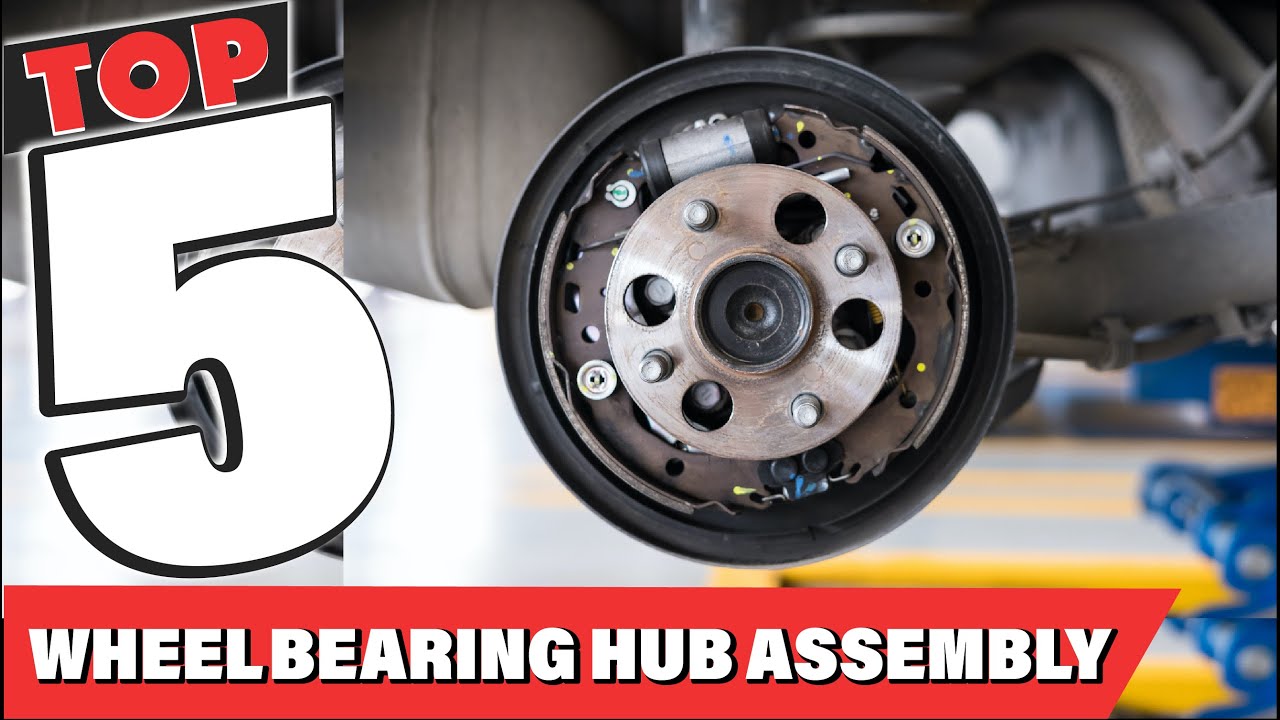
The wheel hub assembly is a critical component in any vehicle, responsible for connecting the wheel to the suspension system while allowing it to rotate freely. Selecting a high-quality wheel hub assembly is crucial for safety, performance, and longevity. This article delves into the best wheel hub assembly brands available to automotive professionals, exploring their technical specifications, engineering choices, real-world performance, and reliability aspects.
Understanding Wheel Hub Assembly Technology
Before diving into specific brands, it's essential to understand the underlying technology. A wheel hub assembly typically integrates the wheel bearing, hub flange, and sometimes, the ABS sensor into a single unit. The bearing allows the wheel to rotate smoothly, the flange provides a mounting point for the wheel, and the ABS sensor, if present, monitors wheel speed for anti-lock braking and traction control systems.
Engineering choices significantly impact performance. Bearing design (ball, tapered roller, or cylindrical roller), material selection (steel alloy, ceramic hybrid), sealing mechanisms, and manufacturing precision all contribute to the hub's overall performance. High-quality hubs often employ advanced metallurgy and precision machining to ensure optimal load distribution, reduced friction, and extended service life.
Bearing Types and Their Applications
- Ball Bearings: Common in lighter vehicles, offering low rolling resistance but limited load capacity.
- Tapered Roller Bearings: Found in heavier vehicles and applications requiring high load-bearing capacity. They can handle both radial and axial loads.
- Cylindrical Roller Bearings: Offer high radial load capacity but are less suited for axial loads.
Top Wheel Hub Assembly Brands: A Comparative Analysis
Several brands consistently deliver high-quality wheel hub assemblies. Here's a comparison of some of the leading players:
SKF
SKF is a global leader in bearing technology, and their wheel hub assemblies are renowned for their quality and durability. Technical Specifications: SKF uses high-quality steel alloys, precision machining, and advanced sealing technology. They offer a wide range of hub assemblies for various vehicle types, including models with integrated ABS sensors and OE-specific designs. Engineering Choices: SKF often utilizes optimized bearing designs to minimize friction and maximize load capacity. Their sealing systems are designed to prevent contaminants from entering the bearing, extending its lifespan. Real-World Performance: SKF hubs are known for their smooth operation, quiet performance, and long service life. Pros: Excellent quality, wide range of applications, OE supplier, robust design. Cons: Higher price point compared to some aftermarket brands.
Timken
Timken is another well-respected manufacturer with a long history of producing high-quality bearings and hub assemblies. Technical Specifications: Timken focuses on using premium steel alloys and precise manufacturing processes. Their hub assemblies are designed to meet or exceed OE specifications. Engineering Choices: Timken often employs tapered roller bearings in their hub assemblies, which are well-suited for handling heavy loads. They also offer hub assemblies with integrated ABS sensors and advanced sealing technology. Real-World Performance: Timken hubs are known for their reliability, durability, and consistent performance. Pros: Excellent quality, robust design, suitable for heavy-duty applications, strong brand reputation. Cons: Can be more expensive than some aftermarket alternatives.
Moog
Moog offers a balance between quality and affordability, making them a popular choice for many automotive professionals. Technical Specifications: Moog uses high-quality materials and advanced manufacturing processes. Their hub assemblies are designed to provide reliable performance at a competitive price. Engineering Choices: Moog often incorporates design improvements over the original OE design to enhance durability and performance. They also offer hub assemblies with integrated ABS sensors and corrosion-resistant coatings. Real-World Performance: Moog hubs are known for their reliable performance and reasonable service life. Pros: Good balance of quality and price, readily available, often incorporates design improvements. Cons: May not be as durable as SKF or Timken in extreme conditions.
National
National is a brand known for providing reliable and cost-effective wheel hub assemblies. They offer a good option for budget-conscious repairs. Technical Specifications: National hub assemblies are manufactured to meet industry standards and are designed for ease of installation. Engineering Choices: They focus on providing a direct replacement for OE parts, ensuring compatibility and straightforward installation. Real-World Performance: National hubs offer good performance for everyday driving conditions. Pros: Affordable price point, easy to install, widely available. Cons: May not be as durable or perform as well as premium brands in demanding applications.
Alternatives and Aftermarket Options
While the brands mentioned above are highly reputable, numerous other aftermarket options are available. However, caution is advised. Many cheaper alternatives may use lower-quality materials, have less precise manufacturing tolerances, and lack advanced sealing technologies. This can lead to premature failure, increased noise, and compromised safety. It's crucial to carefully evaluate the specifications and reputation of any aftermarket brand before installation.
Warning: Installing low-quality wheel hub assemblies can compromise vehicle safety and lead to costly repairs down the road. Always prioritize quality and reliability when selecting this critical component.
Reliability Aspects and Maintenance Tips
The lifespan of a wheel hub assembly depends on several factors, including driving conditions, vehicle load, and maintenance practices. To maximize the lifespan of your hub assemblies, consider the following tips:
- Proper Installation: Follow the manufacturer's instructions carefully during installation. Ensure proper torque specifications are met.
- Regular Inspections: Periodically inspect the hub assemblies for signs of wear, such as excessive noise, play in the wheel, or ABS sensor malfunctions.
- Wheel Alignment: Maintain proper wheel alignment to prevent uneven wear on the bearings.
- Avoid Overloading: Avoid overloading the vehicle, as this can put excessive stress on the hub assemblies.
- Use Quality Grease: If the hub assembly requires greasing, use a high-quality grease that is specifically designed for wheel bearings.
Future Trends in Wheel Hub Assembly Technology
The automotive industry is constantly evolving, and wheel hub assembly technology is no exception. Several trends are shaping the future of this critical component:
- Integrated Sensors: Expect to see more sophisticated integrated sensors that monitor bearing health, temperature, and vibration. This data can be used for predictive maintenance and to optimize vehicle performance.
- Lightweight Materials: Manufacturers are exploring the use of lightweight materials, such as aluminum and composites, to reduce vehicle weight and improve fuel efficiency.
- Smart Hubs: Smart hubs with integrated electronic control units (ECUs) are being developed to provide advanced functions, such as active suspension control and regenerative braking.
- Electric Vehicle (EV) Specific Hubs: EVs place unique demands on wheel hub assemblies due to their increased weight and regenerative braking systems. Expect to see hub assemblies specifically designed for EV applications.
Conclusion: A Forward-Looking Perspective
Choosing the right wheel hub assembly is a critical decision for automotive professionals. By understanding the underlying technology, comparing different brands, and following proper maintenance practices, you can ensure the safety, performance, and longevity of your customers' vehicles. As the automotive industry continues to evolve with advancements in electric vehicles, autonomous driving, and connectivity, the demands placed on wheel hub assemblies will only increase. Staying informed about the latest trends and technologies will be essential for providing the best possible service to your customers and ensuring a safe and reliable driving experience.