
Bobcat Oil Filter Cross Reference Chart
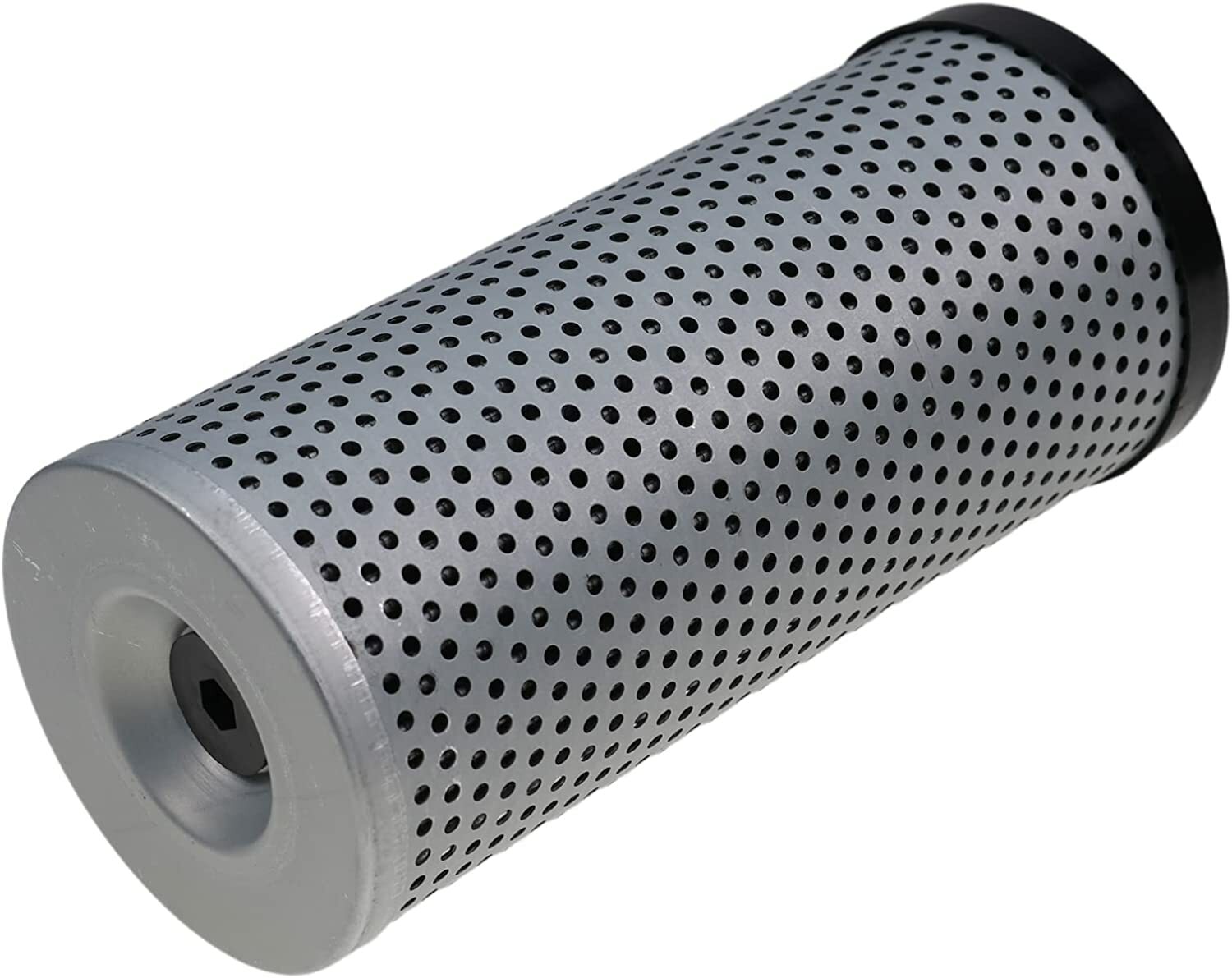
Maintaining your Bobcat equipment is crucial for optimal performance and longevity. A key component in this maintenance is the oil filter, responsible for keeping your engine oil clean and free from harmful contaminants. But what happens when you need a replacement and the original Bobcat filter isn't readily available? That's where a reliable Bobcat Oil Filter Cross Reference Chart becomes invaluable.
Understanding the Importance of Oil Filters
Before diving into the cross-reference, let's quickly recap why oil filters are so critical. The internal combustion engine generates a significant amount of debris: metal shavings from wear and tear, carbon deposits from combustion, and even dirt ingested from the environment. Without an oil filter, these particles would circulate within the engine, causing accelerated wear on critical components like bearings, pistons, and cylinder walls. A functioning oil filter prevents this damage, extending the life of your engine and ensuring efficient operation.
Bobcat engines, often found in demanding applications like construction and landscaping, are particularly susceptible to these issues. Their robust design requires equally robust filtration to withstand the harsh conditions they operate in. Therefore, selecting the correct oil filter, whether it's a genuine Bobcat part or a suitable alternative, is paramount.
The Power of a Cross Reference Chart
A Bobcat Oil Filter Cross Reference Chart is a database that allows you to find equivalent oil filters from other manufacturers that match the specifications of the original Bobcat filter. This is extremely useful in situations where:
- The original Bobcat filter is out of stock.
- You're looking for a more cost-effective alternative.
- You prefer a specific brand of oil filter known for its quality or performance.
Using a chart ensures that the alternative filter meets the required dimensions (height, diameter, thread size), flow rate, and filtration efficiency. Simply put, it guarantees that the replacement filter will perform as well as, or even better than, the original.
Key Considerations When Using a Cross Reference Chart
While a cross-reference chart is a powerful tool, it's crucial to use it wisely and consider the following factors:
- Reliability of the Source: Not all cross-reference charts are created equal. Stick to reputable sources like the filter manufacturer's official website (e.g., Wix, Fram, Baldwin) or well-known automotive parts suppliers.
- Filter Specifications: Pay close attention to the filter's specifications. Ensure the thread size, diameter, height, and bypass valve setting (if applicable) match the original Bobcat filter. A mismatch in any of these areas could lead to leaks, reduced oil pressure, or even engine damage.
- Filtration Efficiency: The filter's micron rating indicates its ability to trap particles of a certain size. A lower micron rating means finer filtration. Choose an alternative filter with a comparable or better micron rating than the original.
- Bypass Valve: Some oil filters have a bypass valve that allows oil to flow unfiltered if the filter becomes clogged. Ensure the replacement filter has a bypass valve with the same pressure setting as the original.
Example: Using a Bobcat Oil Filter Cross Reference
Let's say you need to replace the oil filter on a Bobcat S175 skid steer loader. The original Bobcat part number is, for example, 6675517. You consult a reliable cross-reference chart and find the following equivalents:
- Wix: 51348
- Fram: PH3614
- Baldwin: B1421
Before purchasing any of these alternatives, it's prudent to double-check their specifications against the original Bobcat filter. Verify the thread size, diameter, height, and micron rating to ensure compatibility. Many online parts retailers provide detailed specifications for each filter, making this verification process straightforward.
Beyond the Chart: Expert Consultation
While a cross-reference chart is a great starting point, it's always a good idea to consult with a qualified mechanic or automotive professional, especially if you are unsure about the suitability of an alternative filter. They can provide expert advice based on your specific Bobcat model and operating conditions.
In conclusion, a Bobcat Oil Filter Cross Reference Chart is a valuable resource for maintaining your Bobcat equipment. By understanding how to use it correctly and considering the key factors discussed above, you can ensure your engine receives the protection it needs, prolonging its lifespan and maximizing its performance.