
Brake Pad Retaining Clips Necessary
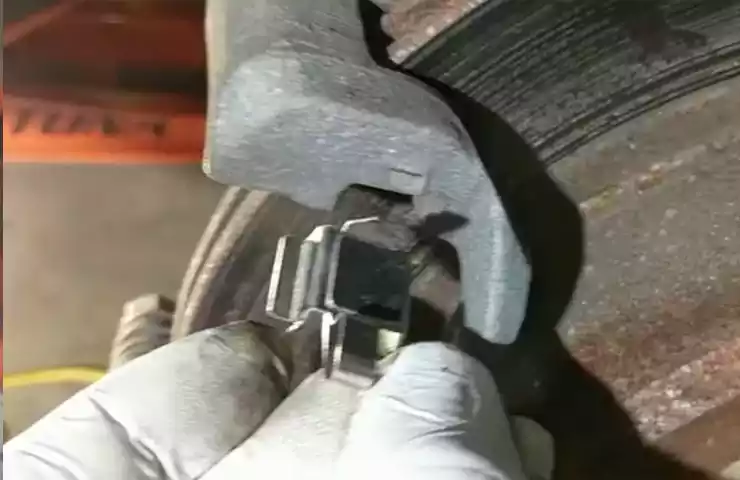
Hey there, folks! Ever notice a rattling or clunking sound coming from your wheels, especially when you hit a bump or brake lightly? Or maybe your brake pads seem to be wearing unevenly? There's a good chance the culprit could be something small, but crucial: your brake pad retaining clips.
The Unsung Heroes of Your Braking System
These little metal clips, sometimes called anti-rattle clips or shims, are often overlooked, but they play a vital role in the overall health and performance of your braking system. They're designed to do a few key things:
- Reduce Noise: They act as a buffer between the brake pads, calipers, and the caliper mounting bracket, dampening vibrations that cause annoying squeals, rattles, and clunks.
- Ensure Proper Pad Positioning: They help keep the brake pads properly positioned within the caliper, preventing them from shifting or vibrating excessively.
- Promote Even Pad Wear: By keeping the pads stable, they contribute to even wear across the pad surface. Uneven wear can lead to premature pad replacement and reduced braking efficiency.
- Prevent Caliper Damage: In some cases, loose or missing clips can allow the brake pads to rub directly against the caliper itself, potentially causing damage to the caliper.
The Problem: Missing or Damaged Clips
Now, let's talk about what happens when these little heroes fail. The most common problems are missing clips (often lost during a previous brake job or from corrosion) or damaged clips (bent, broken, or corroded). Here's what you might experience:
Symptoms of Missing or Damaged Brake Pad Retaining Clips:
- Rattling or Clunking Noise: This is often the most noticeable symptom, especially when driving on uneven surfaces or applying the brakes at low speeds.
- Brake Squeal: While squealing can be caused by many things, missing clips can contribute to it by allowing the pads to vibrate against the rotor.
- Uneven Brake Pad Wear: If the clips aren't holding the pads in the correct position, one part of the pad might wear down much faster than the other.
- Reduced Braking Performance: While not always dramatic, uneven pad wear can definitely impact your braking efficiency. You might notice a longer stopping distance or a pulling sensation to one side.
- Visible Corrosion or Damage: If you can see the clips, inspect them! Look for rust, bending, or breaks. If they look rough, they're likely not doing their job.
Ignoring these symptoms can lead to more significant problems down the road, potentially requiring more expensive repairs.
The Solution: Replacing Your Brake Pad Retaining Clips
The good news is that replacing brake pad retaining clips is usually a relatively straightforward and inexpensive fix. In most cases, it's something you can tackle yourself if you're comfortable working on your brakes. If not, a professional mechanic can easily handle it.
DIY Approach:
If you're a DIY enthusiast, here's what you'll need:
- New Brake Pad Retaining Clips: Make sure you get the correct clips for your specific vehicle make and model. You can usually find these at your local auto parts store or online. A complete brake hardware kit is often the best way to go, as it includes new clips, shims, and sometimes even caliper mounting bolts.
- Jack and Jack Stands: Safety first! Always use jack stands to support the vehicle once it's lifted.
- Wheel Chocks: Place wheel chocks behind the wheels opposite the ones you're working on.
- Socket Set and Wrench Set: You'll need these to remove the wheel and caliper bolts.
- Brake Pad Spreader or C-Clamp: To compress the caliper piston.
- Brake Cleaner: To clean the brake components.
- Gloves: To protect your hands.
- Safety Glasses: To protect your eyes.
- Torque Wrench: To properly torque the caliper bolts when reassembling. (Very important!)
- Penetrating Oil: If any bolts are stuck.
- Optional: Brake Grease: Applying a small amount of brake grease to the contact points between the clips and the pads can further reduce noise.
Here's a general outline of the process:
- Safety First: Park on a level surface, engage the parking brake, and chock the wheels.
- Loosen Lug Nuts: Before jacking up the vehicle, loosen the lug nuts on the wheel you'll be working on.
- Jack Up the Vehicle: Using a jack, lift the vehicle and support it with jack stands.
- Remove the Wheel: Remove the lug nuts and take off the wheel.
- Inspect the Brakes: Take a good look at the brake pads, rotors, calipers, and, most importantly, the retaining clips. Note how the clips are positioned before removing them.
- Remove the Caliper: Carefully remove the caliper bolts. You may need penetrating oil if they're stuck. Gently slide the caliper off the rotor.
- Remove the Old Clips: The old clips usually just pop off. You may need pliers if they're corroded.
- Clean the Area: Use brake cleaner to clean the caliper mounting bracket and the caliper itself.
- Install the New Clips: Install the new clips in the correct orientation. They should snap into place securely.
- Compress the Caliper Piston: Using a brake pad spreader or C-clamp, carefully compress the caliper piston. This is necessary to make room for the new brake pads (if you're also replacing the pads).
- Reinstall the Caliper: Carefully slide the caliper back onto the rotor. Reinstall the caliper bolts and tighten them to the manufacturer's specified torque.
- Reinstall the Wheel: Put the wheel back on and tighten the lug nuts by hand.
- Lower the Vehicle: Lower the vehicle back to the ground.
- Torque the Lug Nuts: Use a torque wrench to tighten the lug nuts to the manufacturer's specified torque.
- Repeat for the Other Side: Repeat the process on the other wheel, if necessary.
- Pump the Brakes: Before driving, pump the brake pedal several times to seat the pads against the rotor.
- Test Drive: Take the vehicle for a short test drive to ensure the brakes are working properly. Listen for any unusual noises.
Professional Repair:
If you're not comfortable doing the job yourself, a mechanic can easily replace the brake pad retaining clips for you. The labor cost is typically around $50-$150 per axle, depending on the shop and the complexity of the brake system. The cost of the clips themselves is usually minimal, around $10-$30 for a set. So, you're likely looking at a total cost of $60-$180 per axle.
Here's what a mechanic will typically do:
- Inspect the brake system.
- Remove the wheels.
- Remove the calipers.
- Replace the brake pad retaining clips.
- Clean and lubricate the brake components.
- Reinstall the calipers and wheels.
- Torque all fasteners to the manufacturer's specifications.
- Test drive the vehicle.
Prevention is Key
The best way to avoid problems with your brake pad retaining clips is to have them inspected regularly, especially during brake pad replacements. Always insist that your mechanic replace the clips whenever they replace the brake pads. It's a small investment that can save you headaches down the road. Also, living in areas where there is a lot of salt use during winter can accelerate corrosion on these clips, so be sure to inspect more frequently if that is the case. A good rule of thumb is to check the brake system every 6 months or 6,000 miles.
When choosing new brake pads:
- Consider a Hardware Kit: Many quality brake pad sets come with a hardware kit that includes new clips, shims, and other necessary components. This is often the most cost-effective approach.
- Check Reviews: Read reviews from other users to see if they have experienced any issues with noise or uneven wear after installing a particular brand of brake pads.
Final Thoughts
Don't underestimate the importance of those little brake pad retaining clips! They might seem insignificant, but they play a crucial role in ensuring your brakes are working safely, quietly, and efficiently. By paying attention to the symptoms of missing or damaged clips and addressing the issue promptly, you can keep your braking system in top condition and avoid more costly repairs in the future.
If you're ever unsure about anything related to your brakes, don't hesitate to consult a qualified mechanic. They can provide expert advice and ensure that your braking system is properly maintained.