
Brake Pedal Goes All The Way To The Floor
Okay, so your brake pedal is going all the way to the floor. That's not good. It's a serious safety concern, and you shouldn't drive the vehicle until you figure out what's going on. Let's break down the possible causes and how to troubleshoot them. I'm assuming you've already checked the obvious – that you haven't accidentally left the parking brake engaged or anything that silly. We're diving into the system itself now.
Understanding the Brake System
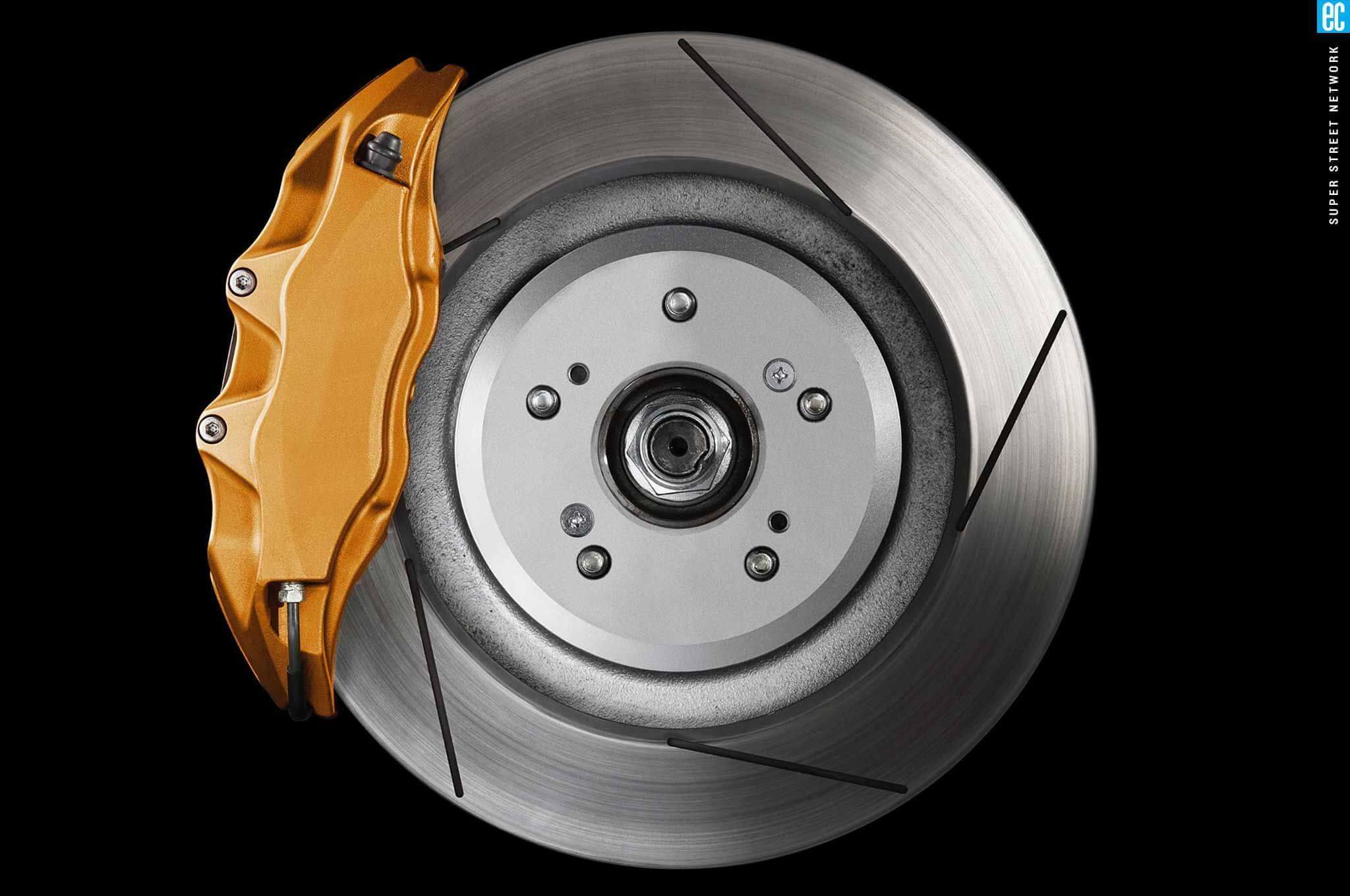
Before we jump into specific problems, let's quickly review the basic operation of a hydraulic brake system. When you press the brake pedal, you're pushing a piston inside the master cylinder. The master cylinder is essentially a hydraulic pump. This pump forces brake fluid through lines to the calipers (for disc brakes) or wheel cylinders (for drum brakes) at each wheel. These components then press the brake pads against the rotors or the brake shoes against the drums, creating friction and slowing the vehicle down.
This is a closed, pressurized system. A properly functioning system will offer resistance against your foot when you press the brake pedal. The pedal should feel firm and responsive. When the pedal sinks to the floor, it means that pressure is not being properly maintained, and that's where our troubleshooting begins.
Possible Causes and Troubleshooting Steps
Here's a rundown of the most common culprits, starting with the easiest to check and moving towards the more complex.
1. Low Brake Fluid
This is the first thing to check. The brake fluid reservoir is usually located on top of or near the master cylinder. Always use the correct type of brake fluid specified for your vehicle (DOT 3, DOT 4, DOT 5.1, etc.). Check the level. If it's low, top it off only to the “MAX” line. Do NOT overfill. Now, here's the critical part: Why was it low? Brake fluid doesn't just disappear. It either leaked out, or your brake pads are severely worn. Worn pads require more fluid to extend the calipers and make contact with the rotors, which will lower the level in the reservoir.
Troubleshooting:
a. Check for Leaks: Inspect all brake lines, calipers, wheel cylinders, and the master cylinder itself for any signs of fluid leakage. Look for wet spots, drips, or fluid residue. Pay close attention to the fittings where brake lines connect to components.
b. Inspect Brake Pads: If the fluid level was low and you haven't noticed any leaks, inspect your brake pads. If they're worn down to the wear indicators or completely gone, that's likely the reason for the low fluid.
Important Note: If you find a leak, fix it before driving the vehicle. Replenishing brake fluid without addressing the leak is just a temporary fix and a significant safety risk.
2. Air in the Brake Lines
Air in the brake lines is a very common cause of a soft or spongy brake pedal. Air is compressible, while brake fluid is not. When you press the pedal, the air compresses instead of transferring the hydraulic pressure to the calipers. This is a frequent occurrence after a brake job. When a caliper is compressed, it can introduce air into the system.
Troubleshooting:
a. Bleed the Brakes: Bleeding the brakes removes air from the system. This involves opening a bleeder screw on each caliper or wheel cylinder (one at a time) while someone else presses the brake pedal. You'll need a bleeder wrench, a clear hose, and a container to collect the fluid. The typical bleeding order is farthest wheel from the master cylinder to the closest wheel. (RR, LR, RF, LF)
b. Gravity Bleeding: If you're working alone, you can try gravity bleeding. Simply open the bleeder screw and let the brake fluid slowly drip out until no more air bubbles are visible. Keep an eye on the brake fluid reservoir and make sure it doesn't run dry.
c. Pressure Bleeding: A pressure bleeder is a tool that applies pressure to the brake fluid reservoir, forcing fluid through the system and out the bleeder screws. This is often the most effective method, especially for stubborn air pockets.
Important Note: Make sure to use the correct bleeding procedure for your specific vehicle. Some vehicles require specific bleeding sequences or procedures, especially those with ABS (Anti-lock Braking System).
3. Master Cylinder Failure
The master cylinder is the heart of your braking system. If it fails, you'll experience a significant loss of braking power. A failing master cylinder can cause the brake pedal to slowly sink to the floor, even if there are no visible leaks. Internal seals within the master cylinder can wear out, allowing fluid to bypass the piston.
Troubleshooting:
a. External Leak Check: Check the back of the master cylinder (where it attaches to the brake booster) for any signs of brake fluid. A leak here indicates a failed rear seal.
b. Internal Leak Test: This is a more advanced test. With the engine off, press and hold the brake pedal firmly. If the pedal slowly sinks to the floor while you maintain constant pressure, it suggests an internal leak in the master cylinder. This is NOT a definitive test, but it's a strong indicator.
c. Bench Bleeding: If you suspect the master cylinder is bad, and you replace it, you must bench bleed the new master cylinder before installing it. This removes air from the master cylinder itself. Follow the instructions that come with the new master cylinder, as the procedure can vary slightly.
Important Note: Replacing a master cylinder can be tricky. It's crucial to ensure proper installation and bleeding. If you're not comfortable with this procedure, it's best to have a professional mechanic do it.
4. Brake Line Issues
While leaks are the most obvious brake line problem, other issues can cause a soft pedal. A collapsed or kinked brake line can restrict fluid flow, leading to reduced braking power. Swollen brake lines can also cause issues, especially older rubber hoses. The swelling can restrict fluid flow or even rupture under pressure.
Troubleshooting:
a. Visual Inspection: Carefully inspect all brake lines for any signs of damage, kinking, swelling, or corrosion.
b. Line Restriction Test: This is more difficult and usually requires specialized equipment. A pressure gauge can be used to measure the pressure at different points in the brake system to identify any restrictions.
Important Note: Damaged brake lines should be replaced immediately. Always use DOT-approved brake lines. When replacing brake lines, make sure to properly flare the ends and use the correct fittings.
5. Caliper/Wheel Cylinder Problems
A leaking caliper or wheel cylinder will obviously cause a loss of brake fluid and a soft pedal. However, other issues can also contribute. A stuck caliper piston can prevent the brake pads from applying evenly to the rotor, reducing braking effectiveness. A corroded or damaged wheel cylinder can prevent the brake shoes from properly contacting the drum.
Troubleshooting:
a. Visual Inspection: Inspect the calipers and wheel cylinders for any signs of leakage, damage, or corrosion. Look for wet spots around the seals and pistons.
b. Caliper Piston Check: With the wheel removed, have someone gently press the brake pedal. Observe the caliper piston. It should move smoothly and evenly. If it's stuck or moves erratically, the caliper may need to be rebuilt or replaced.
c. Wheel Cylinder Leak Test: Remove the brake drum and inspect the wheel cylinder. Look for signs of brake fluid leakage around the piston cups.
Important Note: When replacing calipers or wheel cylinders, it's generally recommended to replace them in pairs (both front or both rear) to ensure even braking performance.
ABS (Anti-lock Braking System) Considerations
If your vehicle is equipped with ABS, the troubleshooting process can be more complex. A faulty ABS module or sensor can sometimes cause a soft brake pedal. Additionally, bleeding the brakes on an ABS-equipped vehicle may require a specific procedure to ensure that the ABS modulator is properly bled.
Troubleshooting:
a. Check for ABS Warning Lights: If the ABS warning light is illuminated, it indicates a problem with the ABS system. Have the system diagnosed by a qualified technician.
b. ABS Bleeding Procedure: Consult your vehicle's repair manual or a qualified technician for the proper ABS bleeding procedure. Some vehicles require the use of a scan tool to activate the ABS pump during the bleeding process.
Final Thoughts
Diagnosing a brake pedal that goes to the floor can be challenging, but by systematically checking the possible causes, you can often pinpoint the problem. Remember to prioritize safety and consult a qualified mechanic if you're not comfortable performing any of these procedures. Always double-check your work and thoroughly test the brakes before driving the vehicle.