
Briggs And Stratton Lawn Mower Spark Plug
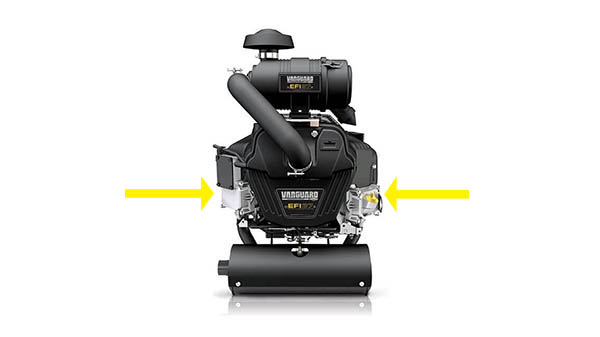
A well-maintained lawn is the pride of many homeowners, and a reliable lawn mower is crucial to achieving that perfectly manicured look. At the heart of your Briggs & Stratton lawn mower's engine is a small but mighty component: the spark plug. This unassuming part plays a vital role in igniting the fuel-air mixture, powering your mower, and keeping your lawn looking its best. This article will guide you through understanding the importance of your Briggs & Stratton lawn mower spark plug, how to identify problems, and how to choose the right replacement.
Why is the Spark Plug Important for Your Briggs & Stratton Mower?
The spark plug's primary function is to generate a high-voltage spark that ignites the air-fuel mixture within the engine's cylinder. This ignition creates the combustion that drives the piston and ultimately powers the mower's blades. A faulty or worn spark plug can lead to a variety of problems, impacting your mower's performance and lifespan.
Here's a breakdown of why a properly functioning spark plug is essential:
- Efficient Engine Performance: A healthy spark plug ensures complete combustion, maximizing fuel efficiency and power. This means your mower will run smoother, require less fuel, and be able to tackle even the toughest grass.
- Easy Starting: A strong spark is critical for starting the engine, especially in cold weather. A worn spark plug may struggle to produce a consistent spark, leading to frustrating starting problems.
- Reduced Emissions: Complete combustion minimizes unburned fuel escaping into the atmosphere, reducing harmful emissions and contributing to a cleaner environment.
- Extended Engine Life: A properly functioning spark plug helps prevent engine damage caused by misfires or incomplete combustion. This can significantly extend the life of your Briggs & Stratton mower.
Identifying Spark Plug Problems in Your Briggs & Stratton Lawn Mower
Recognizing the signs of a failing spark plug can save you time and money by allowing you to address the issue before it causes more significant damage. Here are some common symptoms to watch out for:
- Difficulty Starting: This is often the first sign of a weakening spark plug. The engine may crank for an extended period before finally starting, or it may not start at all.
- Rough Running Engine: A misfiring spark plug can cause the engine to run unevenly, producing a sputtering or shaking sensation.
- Loss of Power: If your mower struggles to cut through thick grass or loses power while mowing uphill, a weak spark plug may be to blame.
- Increased Fuel Consumption: Incomplete combustion due to a faulty spark plug can lead to wasted fuel and higher running costs.
- Black Smoke from the Exhaust: This indicates that the engine is burning excessive fuel, which can be caused by a faulty spark plug.
- Visible Damage to the Spark Plug: Inspect the spark plug for cracks, carbon buildup, or a worn electrode. These are clear signs that the plug needs to be replaced.
If you experience any of these symptoms, it's essential to inspect your Briggs & Stratton lawn mower spark plug. A simple visual inspection can often reveal the problem.
Choosing the Right Replacement Spark Plug for Your Briggs & Stratton Mower
Selecting the correct replacement spark plug is crucial for optimal performance and engine longevity. Briggs & Stratton engines are designed to work with specific spark plugs, and using the wrong type can lead to poor performance or even engine damage. Here's how to choose the right replacement:
- Consult Your Owner's Manual: Your Briggs & Stratton lawn mower owner's manual is the best source of information for specifying the correct spark plug type for your engine model. Look for the spark plug part number or specification.
- Check the Existing Spark Plug: The part number is typically printed on the side of the existing spark plug. Note this number down for easy reference.
- Use the Briggs & Stratton Website or a Parts Finder Tool: Briggs & Stratton's website offers a parts finder tool that allows you to identify the correct spark plug based on your engine model number. Many online retailers also offer similar tools.
- Consider Spark Plug Type:
- Standard Spark Plugs: These are the most common and affordable type of spark plug.
- Resistor Spark Plugs: These plugs incorporate a resistor to suppress radio frequency interference (RFI), which can interfere with electronic devices.
- Platinum or Iridium Spark Plugs: These plugs offer superior durability and performance compared to standard plugs. They can last longer and provide a more consistent spark. While potentially more expensive initially, they can offer savings in the long run through extended lifespan.
Important Considerations:
- Spark Plug Gap: The spark plug gap is the distance between the center electrode and the ground electrode. This gap must be set to the manufacturer's specification for optimal performance. Your owner's manual will provide the correct gap measurement. You can use a spark plug gapping tool to adjust the gap as needed.
- Torque: When installing the new spark plug, tighten it to the torque specification listed in your owner's manual. Overtightening can damage the spark plug or the engine. Use a torque wrench to ensure proper tightening.
Replacing Your Briggs & Stratton Lawn Mower Spark Plug: A Step-by-Step Guide
Replacing your spark plug is a straightforward task that can be done with a few basic tools. Here's a step-by-step guide:
- Safety First: Disconnect the spark plug wire from the old spark plug. This will prevent accidental starting of the engine. Allow the engine to cool completely before proceeding.
- Gather Your Tools: You'll need a spark plug wrench or socket, a spark plug gapping tool (if needed), and a torque wrench (optional but recommended).
- Remove the Old Spark Plug: Use the spark plug wrench or socket to loosen and remove the old spark plug. Turn the wrench counterclockwise.
- Inspect the New Spark Plug: Check the new spark plug for any damage. Use the spark plug gapping tool to adjust the gap to the manufacturer's specification, if needed.
- Install the New Spark Plug: Carefully thread the new spark plug into the spark plug hole by hand. This will prevent cross-threading.
- Tighten the New Spark Plug: Use the spark plug wrench or socket to tighten the new spark plug to the torque specification listed in your owner's manual. If you don't have a torque wrench, tighten the plug snugly, but avoid overtightening.
- Reconnect the Spark Plug Wire: Reconnect the spark plug wire to the new spark plug. Ensure the connection is secure.
- Test the Engine: Start the engine to ensure the new spark plug is functioning correctly.
Pro Tip: Consider replacing the spark plug annually as part of your routine lawn mower maintenance. A fresh spark plug can significantly improve engine performance and fuel efficiency.
Preventative Maintenance for a Longer Lasting Spark Plug
While spark plugs are relatively inexpensive, taking steps to prevent premature wear can save you money and hassle in the long run. Here are some preventative maintenance tips:
- Use Fresh Fuel: Old or stale fuel can leave deposits on the spark plug, leading to fouling. Always use fresh, clean fuel.
- Maintain Proper Air Filtration: A clean air filter prevents dirt and debris from entering the engine, which can contaminate the spark plug. Replace the air filter regularly according to the manufacturer's recommendations.
- Check the Engine Oil Level: Low oil levels can cause the engine to run hotter, which can damage the spark plug. Check the oil level regularly and top it off as needed.
- Avoid Overloading the Mower: Overloading the mower by cutting excessively tall or thick grass can put extra strain on the engine and lead to premature spark plug wear.
By following these tips, you can keep your Briggs & Stratton lawn mower running smoothly and extend the life of your spark plug.
In conclusion, understanding the importance of your Briggs & Stratton lawn mower spark plug, recognizing the signs of problems, and knowing how to choose the right replacement are crucial for maintaining a healthy and efficient lawn mower. Regular maintenance and timely spark plug replacement will ensure that your mower starts easily, runs smoothly, and delivers the performance you need to keep your lawn looking its best. Happy mowing!