
Bug Deflector Does It Work
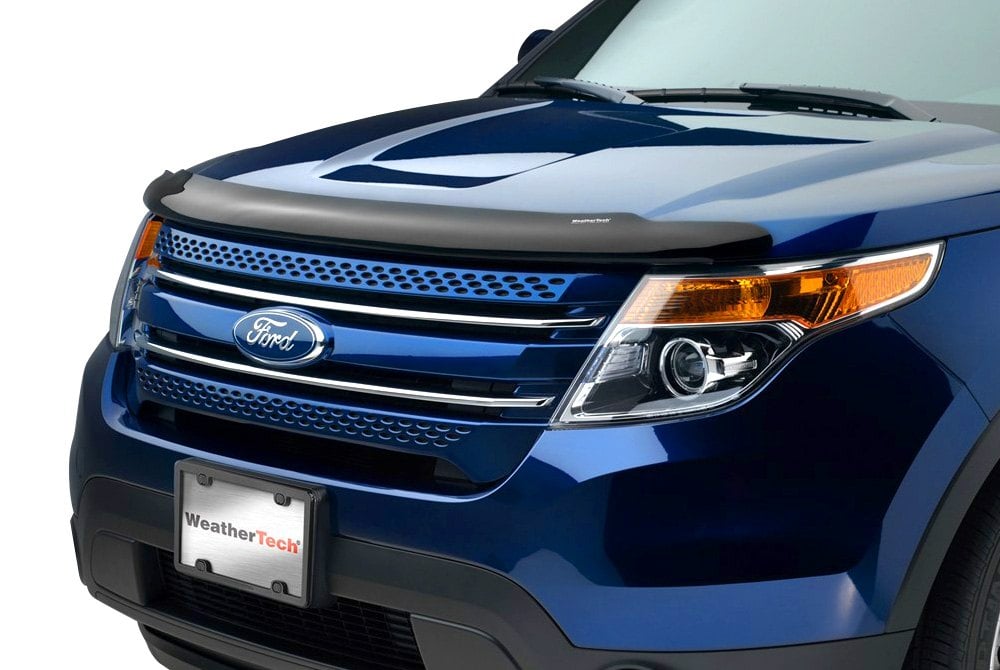
The humble bug deflector. Also known as a bug shield or stone guard, this seemingly simple accessory has been adorning the hoods of vehicles for decades. But does a bug deflector *really* work? Is it just a cosmetic add-on, or does it provide tangible benefits for your car, truck, or SUV? This article dives deep into the aerodynamics, materials, and real-world effectiveness of bug deflectors, separating fact from fiction.
Understanding the Aerodynamics: How Bug Deflectors Aim to Work
The core principle behind a bug deflector lies in manipulating the airflow around the front of your vehicle. The deflector, typically made from acrylic or polycarbonate, is designed to create an upward draft. The theory is that this draft lifts the airflow, carrying bugs and small debris over the hood and windshield, thus reducing their impact on the vehicle's leading edges. This is achieved by the shape of the deflector, which acts as a small aerodynamic ramp.
To understand this better, consider the boundary layer – the thin layer of air directly adjacent to the vehicle's surface. Bugs and debris tend to travel within this boundary layer. The deflector aims to disrupt this layer, forcing the air (and its passengers) upwards. The effectiveness hinges on several factors, including vehicle speed, deflector design, and prevailing wind conditions.
The Role of Vehicle Speed and Deflector Angle
Vehicle speed plays a crucial role. At lower speeds, the aerodynamic effect is minimal. The higher the speed, the more pronounced the upward airflow becomes. Therefore, a bug deflector is likely to be more effective on highway drives than during slow city commutes. The angle of the deflector also significantly impacts its performance. A steeper angle may create a more aggressive upward draft but could also increase drag and potentially reduce fuel economy (though often negligibly).
Materials and Construction: A Closer Look
Bug deflectors are typically manufactured from either acrylic or polycarbonate. Acrylic is a relatively inexpensive and readily moldable material, making it a common choice. However, it can be prone to cracking or yellowing over time, especially with prolonged exposure to UV radiation and harsh weather. Polycarbonate, on the other hand, is a more durable and impact-resistant material. It's less likely to crack or chip, and it offers better UV resistance. Consequently, polycarbonate deflectors are often more expensive.
The construction method also varies. Some deflectors are molded as a single piece, while others may be formed from multiple sections. A well-designed deflector will fit snugly against the hood of the vehicle, minimizing gaps where bugs can still impact the surface. Installation is usually straightforward, involving either screws, clips, or adhesive tape. It’s important to follow the manufacturer's instructions carefully to ensure a secure and proper fit. Poor installation can lead to the deflector detaching at high speeds or causing damage to the hood's paint.
Real-World Effectiveness: Separating Fact from Fiction
While the theory behind bug deflectors sounds promising, the real-world results can be mixed. Many drivers report a noticeable reduction in bug splatters on their windshield and hood. However, it's crucial to understand that a bug deflector won't eliminate them entirely. It's more accurate to say that it *reduces* the impact.
Several factors influence the observed effectiveness:
- Vehicle Type: The aerodynamic profile of the vehicle plays a significant role. Trucks and SUVs, with their larger frontal areas, may benefit more from a bug deflector than low-slung sports cars.
- Driving Conditions: As mentioned earlier, highway driving tends to yield better results. Also, regions with heavy bug populations will naturally see a more noticeable difference.
- Deflector Design: Not all bug deflectors are created equal. A poorly designed deflector might actually worsen the situation by creating turbulence that directs bugs towards the windshield.
Anecdotal evidence suggests that some drivers find them highly effective, while others notice little to no difference. Online forums and reviews often present conflicting opinions, highlighting the variability in real-world experiences.
Beyond Bugs: Stone Chips and Minor Debris
While primarily marketed as bug deflectors, these accessories also offer a degree of protection against small stone chips and other road debris. The deflector acts as a barrier, absorbing the impact of these projectiles before they can reach the hood's paint. This is particularly beneficial for vehicles that frequently travel on gravel roads or in areas with construction activity.
However, it's essential to recognize that a bug deflector is not a substitute for a proper paint protection film (PPF). PPF offers significantly more comprehensive protection against scratches, chips, and environmental damage. A bug deflector provides a supplementary layer of defense, primarily against larger debris.
Potential Drawbacks and Considerations
Despite their potential benefits, bug deflectors also have some drawbacks to consider:
- Aesthetics: Whether or not a bug deflector enhances the appearance of a vehicle is subjective. Some people find them visually appealing, while others consider them unsightly.
- Potential for Paint Damage: If not installed correctly or if debris becomes trapped between the deflector and the hood, it can cause scratches or damage to the paint. Regular cleaning and maintenance are essential to prevent this.
- Fuel Economy: While the impact is generally minimal, a bug deflector can slightly increase drag, potentially reducing fuel economy. This is more likely to be noticeable at higher speeds.
- Wind Noise: Some deflectors can generate wind noise, especially at higher speeds. This is usually due to poor fitment or design.
Installation Tips and Maintenance
Proper installation is crucial for maximizing the effectiveness and longevity of a bug deflector. Here are some tips:
- Read the Instructions: Always follow the manufacturer's instructions carefully.
- Clean the Surface: Thoroughly clean the hood surface before installation to ensure proper adhesion.
- Test Fit: Before permanently attaching the deflector, test fit it to ensure it aligns correctly and fits snugly.
- Use the Correct Hardware: Use the hardware provided by the manufacturer. Avoid using excessive force when tightening screws or clips.
Regular maintenance is also important. Clean the deflector regularly with soap and water to remove bugs, dirt, and debris. Inspect the deflector periodically for cracks or damage. Replace it if necessary.
Conclusion: Is a Bug Deflector Worth It?
Ultimately, the decision of whether or not to install a bug deflector is a personal one. There's no definitive "yes" or "no" answer. It depends on your individual needs, driving habits, and aesthetic preferences. If you frequently drive on highways in areas with heavy bug populations, and you value the potential protection against stone chips, a bug deflector may be a worthwhile investment.
However, it's essential to manage your expectations. A bug deflector is not a miracle cure for bug splatters. It's a supplemental accessory that can help reduce the impact of bugs and debris on your vehicle. Consider the potential drawbacks, such as aesthetic concerns and potential for paint damage, before making a decision. Do your research, read reviews, and choose a deflector that is well-designed and properly installed. Weighing the pros and cons will help you determine if a bug deflector is the right choice for your vehicle.
And remember, even with a bug deflector, regular washing and waxing of your vehicle remains crucial for maintaining its appearance and protecting its paint finish.