
Can A Bad Water Pump Cause Coolant Leak
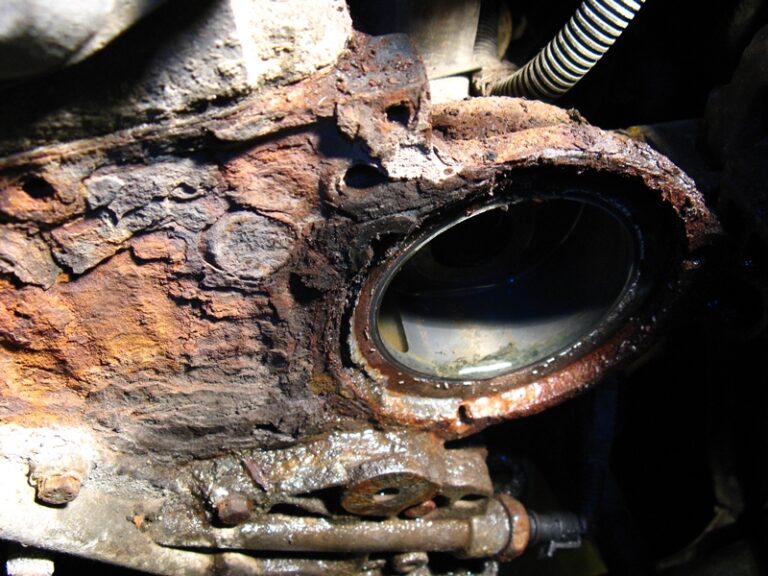
The dreaded coolant leak. It’s a sight no car enthusiast wants to see – that telltale puddle of green, pink, or even blue under their beloved machine. While radiator hoses, expansion tanks, and even the radiator itself can be culprits, one often-overlooked source is the humble water pump. But can a bad water pump actually cause a coolant leak? The short answer is a resounding YES. However, the how and why, and the severity of the leak, can vary significantly depending on the vehicle, engine, and even the specific water pump design.
Understanding the Water Pump's Role
First, a quick refresher. The water pump is the heart of your car’s cooling system. Driven usually by a belt connected to the crankshaft (though sometimes by an electric motor in more modern designs), it circulates coolant throughout the engine block, head, radiator, and heater core. This constant circulation dissipates the immense heat generated by combustion, preventing catastrophic engine damage. When a water pump fails, coolant leakage is a common symptom, but it manifests differently depending on the failure mode.
Types of Water Pump Failures and Leak Sources
There are several ways a water pump can fail, leading to a coolant leak:
- Seal Failure: This is the most common culprit. Water pumps use a mechanical seal to prevent coolant from escaping around the rotating shaft. Over time, this seal can degrade due to age, corrosion, or the abrasive action of contaminants in the coolant. When the seal fails, coolant weeps out, often collecting around the pump's snout and dripping down the engine.
- Bearing Failure: Bearings support the water pump shaft. If these bearings fail, the shaft can wobble, putting excessive stress on the seal and accelerating its failure, ultimately leading to a leak. You'll often hear a grinding or squealing noise accompanying this type of failure.
- Casting Cracks: Less common, but possible, are cracks in the water pump housing itself. These can be caused by thermal stress, corrosion, or even impact damage. Cracks will obviously lead to direct coolant leakage.
- Impeller Damage: While not directly causing a leak per se, a damaged or corroded impeller (the rotating component that moves the coolant) reduces the pump's efficiency. This can cause overheating, which in turn increases pressure within the cooling system, potentially stressing other components and increasing the likelihood of leaks elsewhere, although the water pump itself might not be the direct leaking point.
Model and Engine Specifics: A Comparative Look
The manifestation and severity of a water pump leak can differ across various car models and engines. Here are a few examples:
Example 1: BMW E46 (3 Series) with M54 Engine
The E46, a beloved classic, is known for its cooling system vulnerabilities. The M54 engine often uses a water pump with a plastic impeller. These impellers are prone to cracking and disintegrating over time, leading to reduced coolant flow and eventually overheating. While the impeller failure isn't always accompanied by an immediate external leak from the water pump, the resulting overheating can stress other components, causing leaks elsewhere in the system. Furthermore, the plastic fragments can clog passages and exacerbate cooling problems.
Specs:
| Component | Specification |
|---|---|
| Engine | M54 Inline-6 |
| Water Pump Impeller Material | Plastic (OEM), Aftermarket Available in Metal |
| Typical Failure Mode | Impeller Cracking/Disintegration |
Example 2: Ford F-150 with 5.0L Coyote Engine
The Ford Coyote engine, found in the F-150 and Mustang, often features a water pump that's relatively reliable, but when it does fail, it's usually due to seal degradation. The leak often presents as a slow seep from the weep hole on the pump housing. Catching this early is crucial to prevent more significant issues.
Specs:
| Component | Specification |
|---|---|
| Engine | 5.0L Coyote V8 |
| Water Pump Impeller Material | Metal |
| Typical Failure Mode | Seal Degradation, Bearing Wear |
Example 3: Toyota Prius (Hybrid)
The Prius presents a unique case. It often employs an electric water pump for the engine cooling system, independent of the engine's crankshaft. Failure can manifest as a lack of engine cooling, indicated by warning lights, without necessarily a visible leak. However, the inverter cooling system (also utilizing a water pump) can leak, presenting as a small puddle under the vehicle. Diagnosing which pump is failing requires specialized knowledge.
Specs:
| Component | Specification |
|---|---|
| Engine | Hybrid Synergy Drive |
| Water Pump Type | Electric (Engine and Inverter) |
| Typical Failure Mode | Pump Motor Failure, Electrical Issues, Seal Leaks |
Real-World Driving Impressions and Warning Signs
Beyond the puddle on the ground, other warning signs can indicate a failing water pump:
- Overheating: A failing water pump struggles to circulate coolant effectively, leading to engine overheating, especially during hot weather or when towing.
- Temperature Fluctuations: The temperature gauge may fluctuate wildly, indicating inconsistent coolant circulation.
- Strange Noises: Grinding, squealing, or whining noises coming from the front of the engine, especially when accelerating, can indicate worn water pump bearings.
- Coolant Smell: A sweet, syrupy smell, especially after driving, can indicate a coolant leak.
- Low Coolant Level: Regularly checking your coolant level is crucial. A consistently low level, even after topping off, suggests a leak somewhere in the system.
Pros and Cons of Replacing a Water Pump
Pros:
- Prevents catastrophic engine damage due to overheating.
- Restores proper cooling system function.
- Can improve fuel economy (by ensuring optimal engine temperature).
- Peace of mind knowing your cooling system is reliable.
Cons:
- Can be a somewhat labor-intensive repair, especially on certain vehicles.
- Cost of the water pump itself, plus labor.
- May require draining and refilling the entire cooling system.
- Potential for collateral damage if the old pump has significantly deteriorated (e.g., impeller fragments clogging passages).
In conclusion, a bad water pump absolutely can cause a coolant leak. Recognizing the signs and understanding the potential failure modes, especially specific to your vehicle and engine, is crucial for preventing more serious and costly damage. Regular cooling system maintenance, including coolant flushes and inspections, can significantly extend the life of your water pump and prevent those dreaded coolant puddles.
Fun Note: Let's spark a debate! Metal impeller vs. composite impeller water pumps: Which is the superior design and why? Let us know in the comments!