
Can You Add A Heated Steering Wheel
The question of whether a heated steering wheel can be added to a vehicle not originally equipped with one is complex, involving several technical considerations, engineering limitations, and practical implications. While aftermarket solutions exist, understanding the intricacies is crucial for automotive professionals advising customers or undertaking such modifications.
Technical Overview of Heated Steering Wheel Systems
A heated steering wheel system isn't merely a heating element wrapped around the wheel. It's an integrated system consisting of several key components:
- Heating Element: Typically a resistive heating grid embedded within the steering wheel's foam and leather (or other material) layers. The grid is designed for uniform heat distribution and must be flexible enough to withstand repeated use and temperature fluctuations.
- Slip Ring Assembly: A critical component that allows electrical power to be transferred to the rotating steering wheel. This often involves a specialized slip ring with additional conductors for the heating element, beyond those used for airbags, horn, and other steering wheel controls. The slip ring needs to be robust and designed for the increased current load.
- Control Module: This module manages the heating element's operation, often integrating with the vehicle's Body Control Module (BCM) for temperature regulation, timer functions, and safety features. It might monitor temperature sensors within the steering wheel to prevent overheating.
- Wiring Harness: Dedicated wiring and connectors are needed to supply power and control signals to the heating element and temperature sensors. These must be of sufficient gauge to handle the electrical load without overheating.
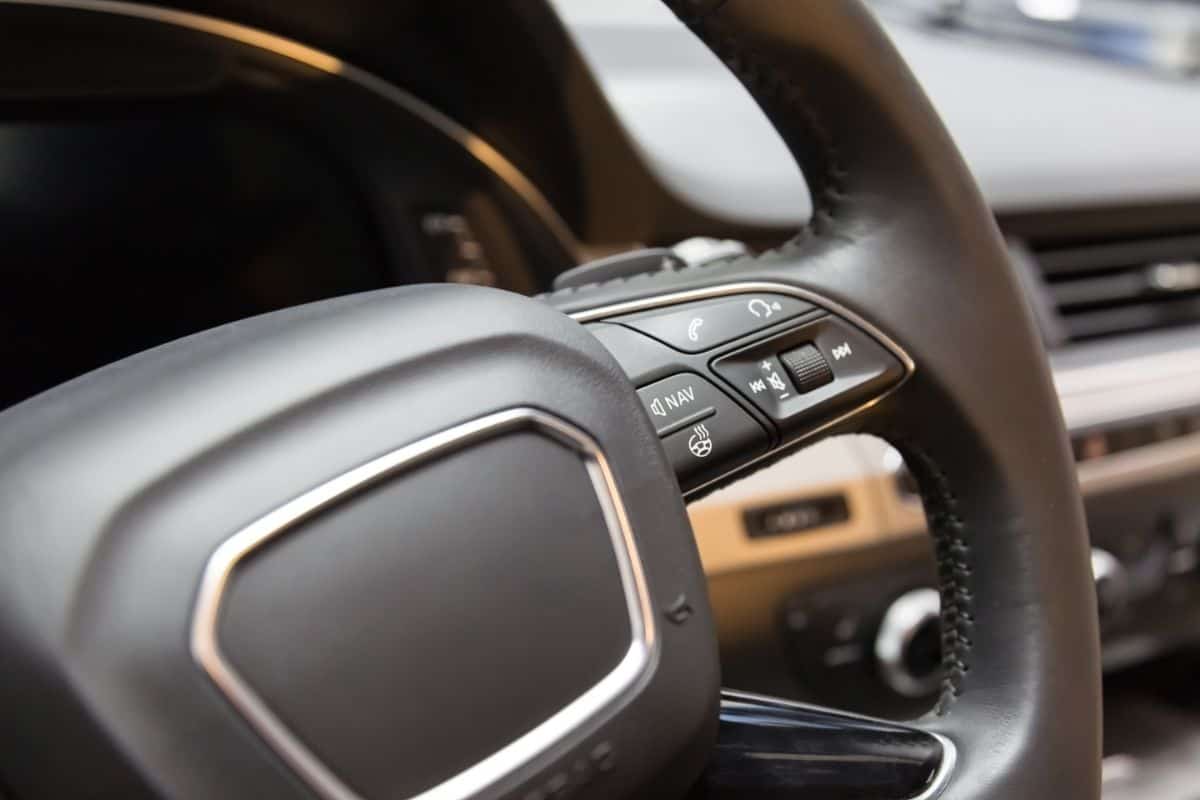
- Switch/Button: The driver interface to activate or deactivate the heated steering wheel, usually located on the steering wheel itself, the dashboard, or the center console.
Engineering Challenges and Considerations
Retrofitting a heated steering wheel presents significant engineering challenges:
Compatibility with Existing Electrical System
The vehicle's electrical system must be capable of supplying the required current for the heating element. The current draw can be significant, typically ranging from 2 to 5 amps. Adding this load without proper evaluation could overload the vehicle's electrical system, potentially damaging the alternator, battery, or wiring harness. It's crucial to check the vehicle's wiring diagrams and electrical load capacity before proceeding. Using an auxiliary relay circuit connected directly to the battery, and properly fused, is often necessary to avoid overloading existing circuits.
Slip Ring Modification or Replacement
The existing slip ring may not have the necessary conductors to accommodate the heating element. Replacing the slip ring is often unavoidable. However, compatibility issues can arise if the replacement slip ring isn't designed for the specific vehicle model. Modifications to the steering column or wiring harness may be required, increasing complexity and risk.
Steering Wheel Replacement and Airbag Integration
Often, the easiest solution is to replace the entire steering wheel with one that includes the heating element. However, airbag integration is paramount. Airbag systems are highly sensitive, and incorrect installation or modification can render the airbag ineffective or cause accidental deployment. Only qualified technicians with expertise in airbag systems should handle such modifications. Proper torque specifications and diagnostic procedures must be followed.
Software Integration
Depending on the complexity of the vehicle's electronic architecture, integrating the heated steering wheel control with the BCM may require software modifications. This could involve reprogramming the BCM or installing a separate control module that communicates with it. Such modifications require specialized diagnostic tools and expertise, and can potentially void the vehicle's warranty if not performed correctly.
Aftermarket Solutions: Pros and Cons
Several aftermarket heated steering wheel kits are available, but their quality and reliability vary significantly.
Pros:
- Potentially lower cost compared to OEM integration.
- Relatively easier installation for some kits.
Cons:
- Reliability concerns: Aftermarket components may not meet the same quality standards as OEM parts.
- Safety risks: Incorrect installation can compromise airbag functionality and overall safety.
- Aesthetic limitations: Aftermarket steering wheel covers or heating elements may not look as integrated or aesthetically pleasing as OEM solutions.
- Warranty implications: Installing aftermarket components can void the vehicle's warranty, especially if it affects the electrical system or safety features.
Alternative Solutions
Before attempting a full heated steering wheel retrofit, consider alternative solutions that provide some degree of warmth:
- Heated Steering Wheel Covers: These are relatively inexpensive and easy to install, but they may not provide uniform heat distribution and can feel bulky.
- Heated Gloves: Battery-powered heated gloves offer targeted warmth and can be used in any vehicle.
- Remote Start: Pre-heating the vehicle's cabin with remote start can make the cold steering wheel more bearable.
Real-World Performance and Reliability
OEM heated steering wheel systems are generally reliable, with a lifespan comparable to other electronic components in the vehicle. However, aftermarket systems can be prone to failures due to inferior component quality and improper installation. Common issues include:
- Uneven heat distribution.
- Premature failure of the heating element.
- Slip ring malfunctions.
- Wiring harness issues.
Maintenance Tips
To prolong the life of a heated steering wheel system:
- Avoid excessive force when turning the steering wheel, as this can strain the slip ring.
- Regularly inspect the steering wheel for signs of wear and tear.
- Have the system inspected by a qualified technician if you notice any unusual behavior, such as uneven heating or flickering lights.
Future Trends
As vehicles become increasingly electrified, integrating heated steering wheels will become more streamlined. Electric vehicles have more readily available power and sophisticated thermal management systems, simplifying the integration process. Expect to see more advanced features, such as zone-specific heating, customized temperature settings, and integration with the vehicle's climate control system. Also, wireless charging of the steering wheel is a possibility in the future to remove the need for a physical slip ring.
Conclusion
While it is technically possible to add a heated steering wheel to a vehicle not originally equipped with one, the complexity, safety considerations, and potential reliability issues make it a challenging undertaking. Automotive professionals should carefully evaluate the vehicle's electrical system, airbag integration, and software compatibility before recommending or undertaking such modifications. In many cases, alternative solutions or OEM retrofits (if available) may be more practical and reliable options. Prioritizing safety and adhering to manufacturer specifications are crucial when working with airbag systems and vehicle electrical components.
The automotive industry is rapidly evolving towards greater integration of comfort and convenience features. As technology advances, expect to see more sophisticated and user-friendly heated steering wheel systems becoming standard equipment, further blurring the line between luxury and mainstream vehicles. The focus will be on seamless integration, enhanced efficiency, and improved user experience.