
Can You Paint A Chrome Bumper
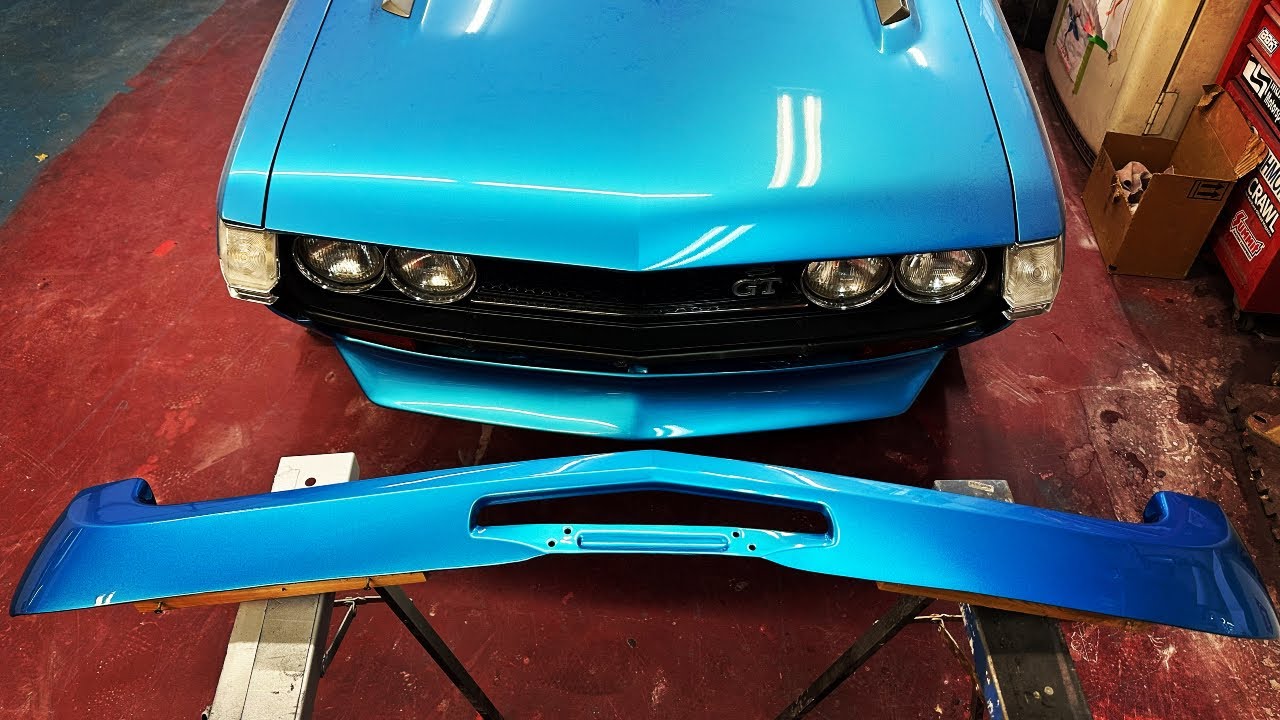
Chrome bumpers, once a ubiquitous styling cue gracing everything from classic Cadillacs to humble pickup trucks, are now largely relegated to the realm of vintage vehicles and aftermarket customization. While their reflective sheen undeniably adds a touch of elegance, chrome's susceptibility to rust, scratches, and general wear and tear often leaves owners pondering a refresh. A common question arises: Can you paint a chrome bumper? The short answer is yes, but the process demands meticulous preparation and the right materials to ensure a durable and aesthetically pleasing finish.
The Challenges of Painting Chrome
Chrome, by its very nature, is designed to resist adhesion. It's a hard, non-porous surface, which is precisely why it protects the underlying metal from corrosion. This inherent property makes it a formidable challenge for any paint to properly bond. Simply spraying paint directly onto a chrome surface is a recipe for disaster; the paint will likely flake, peel, or chip within a short period. Imagine the frustration of investing time and money only to witness your handiwork disintegrate before your eyes.
Furthermore, the condition of the chrome itself plays a crucial role. Any existing rust, pitting, or imperfections will telegraph through the paint, resulting in an uneven and unsightly finish. Therefore, thorough assessment and remediation are paramount before even considering the application of primer.
The Preparation Process: A Meticulous Undertaking
Successful painting of a chrome bumper hinges on painstaking preparation. This is where patience and attention to detail become your greatest allies. Cutting corners at this stage will invariably lead to subpar results.
Step 1: Cleaning and Degreasing
The first step involves removing any dirt, grease, wax, or contaminants from the chrome surface. A thorough wash with warm water and a strong degreasing detergent is essential. Automotive-specific degreasers are recommended, as they are formulated to remove stubborn road grime and silicone-based waxes. Rinse thoroughly and allow the bumper to dry completely.
Step 2: Sanding the Chrome
Sanding is arguably the most critical step in the preparation process. The goal is to create a mechanical key, providing the primer and subsequent paint layers with a surface to grip onto. This involves roughening the chrome surface without completely removing it. Start with a coarser grit sandpaper, such as 180-grit, to break the smooth surface. Progress to finer grits, like 320-grit and then 400-grit, to create a consistent scratch pattern. Wet sanding is recommended, as it helps to prevent the sandpaper from clogging and produces a smoother finish. Always wear appropriate safety gear, including a respirator, during sanding.
Important Note: Avoid aggressive sanding that completely removes the chrome layer, especially if it's covering steel. Removing the chrome exposes the underlying metal, which is then vulnerable to rust. The goal is to scuff the chrome, not eliminate it.
Step 3: Rust Repair (If Applicable)
If the chrome bumper exhibits signs of rust, addressing it before painting is crucial. Small areas of surface rust can be removed with a wire brush or rust converter. More extensive rust may require professional repair or even replacement of the affected section. Applying a rust-inhibiting primer after rust removal is vital to prevent future corrosion.
Step 4: Application of Etching Primer
An etching primer is specifically designed to bond to non-ferrous metals like chrome. It contains phosphoric acid, which etches the surface, creating an even stronger bond than standard primers. Apply several thin coats of etching primer, allowing each coat to dry completely before applying the next. Follow the manufacturer's instructions regarding drying times and application techniques.
Step 5: Filling Imperfections (Optional)
If the chrome bumper has minor dents, scratches, or imperfections, filler can be used to smooth the surface. Automotive body filler, also known as Bondo, is a common choice. Apply the filler according to the manufacturer's instructions, allow it to dry completely, and then sand it smooth with progressively finer grits of sandpaper (e.g., 400-grit, 600-grit). Remember that filler adds weight, so avoid using it excessively.
Painting the Bumper: Choosing the Right Materials and Techniques
Once the preparation is complete, you can move on to painting. Selecting the right paint and applying it correctly are essential for achieving a professional-looking and durable finish.
Choosing the Right Paint
Several types of paint can be used on chrome bumpers, including acrylic lacquer, acrylic enamel, and urethane. Urethane paints are generally considered the most durable and resistant to chipping and scratching, making them a popular choice for automotive applications. However, they can be more expensive and require specialized equipment for application.
Consider a two-part epoxy primer as another option for excellent adhesion and corrosion protection. These primers offer superior chemical resistance compared to traditional primers, providing a longer-lasting finish.
Applying the Paint
Whether you use a spray can or a spray gun, proper application technique is paramount. Apply several thin coats of paint, allowing each coat to dry completely before applying the next. Avoid applying thick coats, as this can lead to runs, sags, and an uneven finish. Hold the spray can or spray gun at a consistent distance from the bumper and move it in smooth, even strokes. Overlap each stroke slightly to ensure complete coverage.
Clear Coat (Optional)
Applying a clear coat after the base coat can enhance the durability and gloss of the finish. Clear coats provide an extra layer of protection against scratches, UV damage, and chemical exposure. Apply several thin coats of clear coat, following the same application techniques as with the base coat.
Post-Painting: Curing and Polishing
After painting, allow the bumper to cure completely according to the paint manufacturer's instructions. This can take several days, depending on the type of paint used and the ambient temperature. Avoid handling the bumper during the curing process.
Once the paint is fully cured, you can polish it to remove any imperfections and enhance the gloss. Use a fine-cut polishing compound and a soft polishing pad. Apply light pressure and move the polishing pad in a circular motion. After polishing, apply a coat of wax or sealant to protect the paint and maintain its shine.
Professional vs. DIY: Weighing the Options
While painting a chrome bumper is a DIY project, it's crucial to assess your skills, resources, and the condition of the bumper before embarking on this endeavor. If you lack experience with automotive painting or if the bumper has significant damage, consider enlisting the services of a professional auto body shop. Professionals have the expertise, equipment, and materials to achieve a high-quality, durable finish.
The cost of professional painting can vary depending on the size and complexity of the bumper, the type of paint used, and the labor rates in your area. However, the peace of mind knowing that the job is done correctly may be worth the investment.
Alternative Solutions: Chrome Alternatives and Replacements
Instead of painting, exploring alternative solutions for refreshing a chrome bumper might be worthwhile. Re-chroming, while expensive, restores the bumper to its original glory. Vinyl wrapping, another option, allows for color changes and unique finishes, offering temporary customization without permanently altering the chrome. Finally, consider replacing the damaged bumper with a new or used one, particularly if rust damage is extensive. Reproduction bumpers are available for many classic cars, offering a cost-effective solution.
Conclusion: Patience and Preparation are Key
Painting a chrome bumper is a challenging but achievable task for the dedicated DIYer. By following the steps outlined above and using high-quality materials, you can transform a worn-out chrome bumper into a stunning focal point. Remember that patience and meticulous preparation are the keys to success. If you are unsure about any aspect of the process, don't hesitate to consult with a professional. A well-painted bumper can significantly enhance the appearance of your vehicle and provide years of enjoyment.