
Car Top Luggage Carrier Without Roof Rack
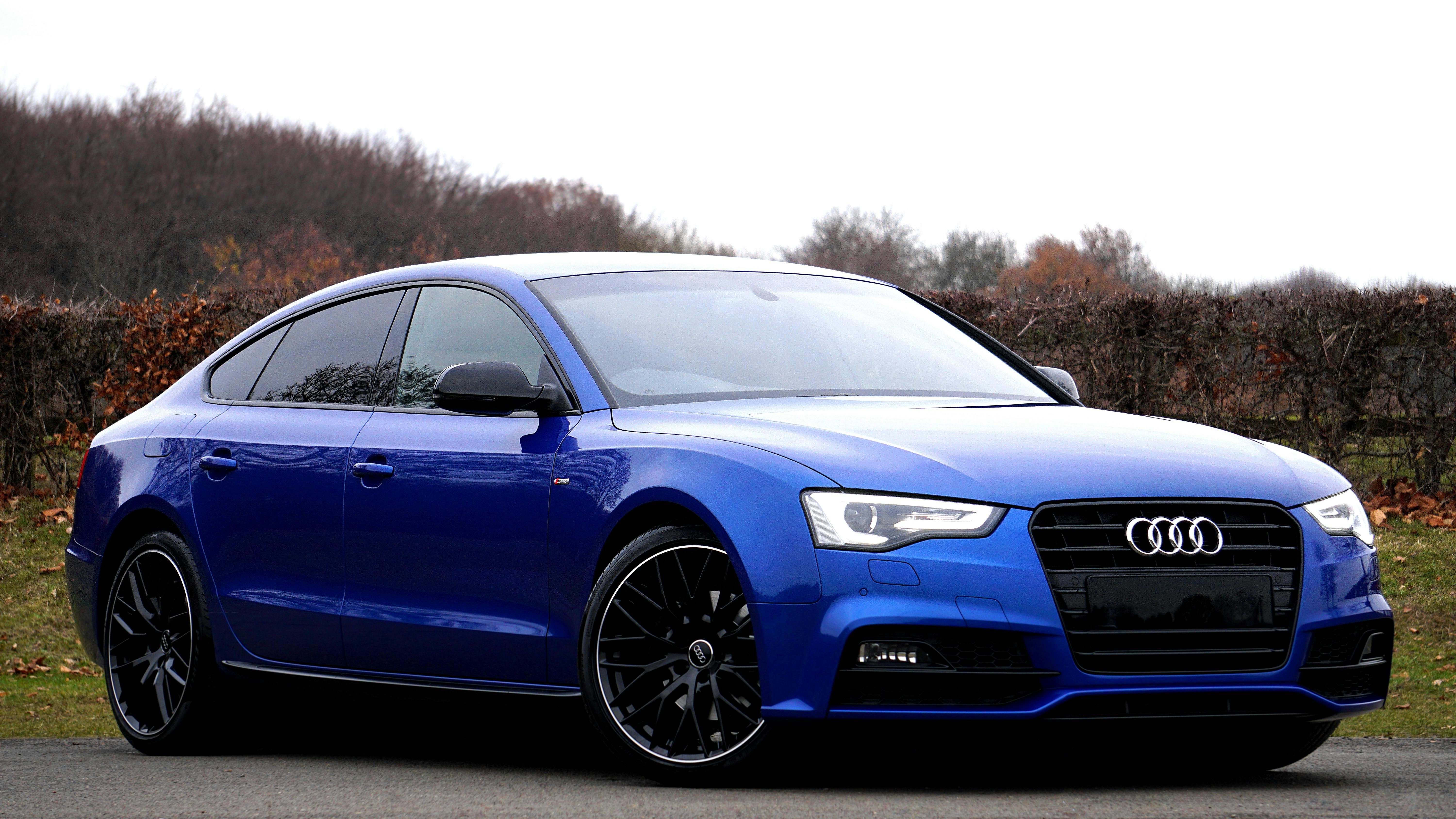
So, you're looking to haul some extra gear but your car doesn't have a roof rack? No problem! You're not alone. Many vehicles don't come standard with them, but that doesn't mean you're stuck leaving half your luggage at home. Car top luggage carriers without roof racks are a viable option, but like any automotive accessory, they can sometimes present challenges. Let's dive into some common issues and how to tackle them.
Common Problems with Strapped Car Top Carriers (No Roof Rack)
While these carriers offer a flexible solution, they rely heavily on secure straps and proper installation. Here's where things can go wrong:
1. Strap Slippage and Loosening
This is probably the most frequent complaint. Over time, and especially during long drives or in wet conditions, the straps holding the carrier in place can gradually loosen. This can cause the carrier to shift, potentially damaging your car's paint or even becoming a safety hazard. Factors contributing to strap slippage include:
- Incorrect Installation: Not tightening the straps sufficiently or using the wrong strap routing can significantly increase the risk.
- Poor Strap Quality: Cheaper carriers often come with lower-quality straps that stretch or lose tension easily.
- Weather Conditions: Rain can make the straps slippery, and wind can exert extra force, accelerating loosening.
- Heavy or Unevenly Distributed Load: An overloaded carrier or one where the weight isn't balanced will put extra stress on the straps.
2. Water Leakage
Even carriers marketed as "waterproof" or "water-resistant" can sometimes leak. The primary culprits are:
- Poor Seams or Zipper Seals: Over time, the seams can weaken, and zippers can become less effective at keeping water out.
- Improper Closure: Failing to completely close the zipper or secure the flap properly will create openings for water to enter.
- Damage to the Carrier: Tears, punctures, or abrasions in the material will compromise its water resistance.
3. Damage to Vehicle Paint
Direct contact between the carrier or straps and your car's paint can cause scratches, scuffs, or even more significant damage. This is especially problematic if:
- The carrier is directly resting on the roof: Without proper padding, the carrier's surface can rub against the paint.
- The straps are abrasive: Some straps are made of materials that can easily scratch the paint.
- Dirt and debris are trapped underneath: Dirt particles act like sandpaper, exacerbating the scratching effect.
4. Noise and Vibration
Car top carriers can sometimes generate significant wind noise or vibrate excessively, particularly at higher speeds. This is usually due to:
- Loose Straps: Straps flapping in the wind create noise and vibration.
- Aerodynamic Inefficiency: The shape of the carrier and its positioning on the roof can affect airflow, leading to turbulence and noise.
- Insufficient Padding: Lack of padding between the carrier and the roof can allow vibrations to transmit directly to the vehicle.
Solutions and Preventative Measures
Now, let's look at how to address these issues and prevent them from happening in the first place.
1. Preventing and Fixing Strap Slippage
- Invest in High-Quality Straps: Replace the original straps with heavy-duty ratchet straps. These provide a much more secure hold and are less prone to loosening. Look for straps with a high breaking strength and durable buckles.
- Proper Installation Technique: Follow the manufacturer's instructions carefully. Ensure the straps are routed correctly and tightened evenly. Double-check the straps after the first few miles of your journey and re-tighten as needed.
- Use Non-Slip Pads: Place non-slip pads between the straps and your car's roof. These provide extra grip and prevent the straps from sliding.
- Rope Knots: Incorporate knots strategically along the strap length to act as friction points. A simple overhand knot can make a big difference.
- Regular Checks: Make it a habit to check the straps every time you stop for gas or a break.
2. Addressing Water Leakage
- Seam Sealer: Apply seam sealer to the carrier's seams to reinforce them and prevent water from seeping in. You can find seam sealer at most hardware or camping stores.
- Waterproof Spray: Use a waterproof spray on the carrier's exterior to add an extra layer of protection. Reapply the spray periodically, especially after washing the carrier.
- Proper Closure: Ensure the zipper is fully closed and the flap is securely fastened. Consider using a waterproof zipper lubricant to keep the zipper functioning smoothly.
- Inner Liner: Line the inside of the carrier with a waterproof bag or tarp to protect your belongings even if the carrier leaks.
- Inspect for Damage: Regularly inspect the carrier for any tears, punctures, or abrasions. Repair any damage immediately using a patch kit designed for the carrier's material.
3. Protecting Your Car's Paint
- Use a Protective Mat: Place a thick, non-slip protective mat between the carrier and your car's roof. This will create a barrier and prevent the carrier from rubbing directly against the paint. You can use a rubber roof mat designed for this purpose or even a thick blanket.
- Wrap the Straps: Wrap the straps in soft cloth or foam to prevent them from scratching the paint. You can use old towels, pipe insulation, or commercially available strap protectors.
- Clean the Roof: Before installing the carrier, thoroughly clean your car's roof to remove any dirt or debris that could scratch the paint.
- Apply Paint Protection Film (PPF): For long-term protection, consider applying paint protection film (PPF) to the areas of your roof that will be in contact with the carrier or straps. This is a more expensive option but offers excellent protection against scratches and scuffs.
- Gentle Installation: When lifting the carrier onto and off of the car, be extra cautious not to drag or drop it.
4. Reducing Noise and Vibration
- Tighten the Straps Properly: Loose straps are a major source of noise and vibration. Ensure all straps are tight and secure.
- Adjust Carrier Position: Experiment with different positions on the roof to find the sweet spot where wind noise is minimized. Moving the carrier slightly forward or backward can sometimes make a significant difference.
- Add Padding: Adding extra padding between the carrier and the roof can help dampen vibrations and reduce noise.
- Use a Wind Deflector: A wind deflector mounted in front of the carrier can help to redirect airflow and reduce wind resistance, thereby minimizing noise and vibration.
- Pack Tightly: Ensure items inside the carrier are packed snugly. Loose items can shift and rattle, contributing to noise.
Tools and Estimated Costs
Here's a breakdown of tools you might need and approximate costs:
- Ratchet Straps: $20 - $50 (depending on quality and length)
- Non-Slip Pads: $10 - $30
- Seam Sealer: $5 - $15
- Waterproof Spray: $10 - $20
- Protective Mat: $20 - $50 (or use a thick blanket you already have)
- Strap Protectors: $10 - $20
- Paint Protection Film (PPF) Installation: $100 - $300 (professional installation recommended)
Most of these solutions are DIY-friendly and won't break the bank. The most critical aspect is careful installation and regular maintenance. Remember, a well-secured and maintained car top carrier without a roof rack can provide a safe and convenient way to transport extra luggage. Don't hesitate to reach out to a local auto accessory shop if you need further assistance or have specific questions about your vehicle.