
Car Window Fell Down And Won't Go Back Up
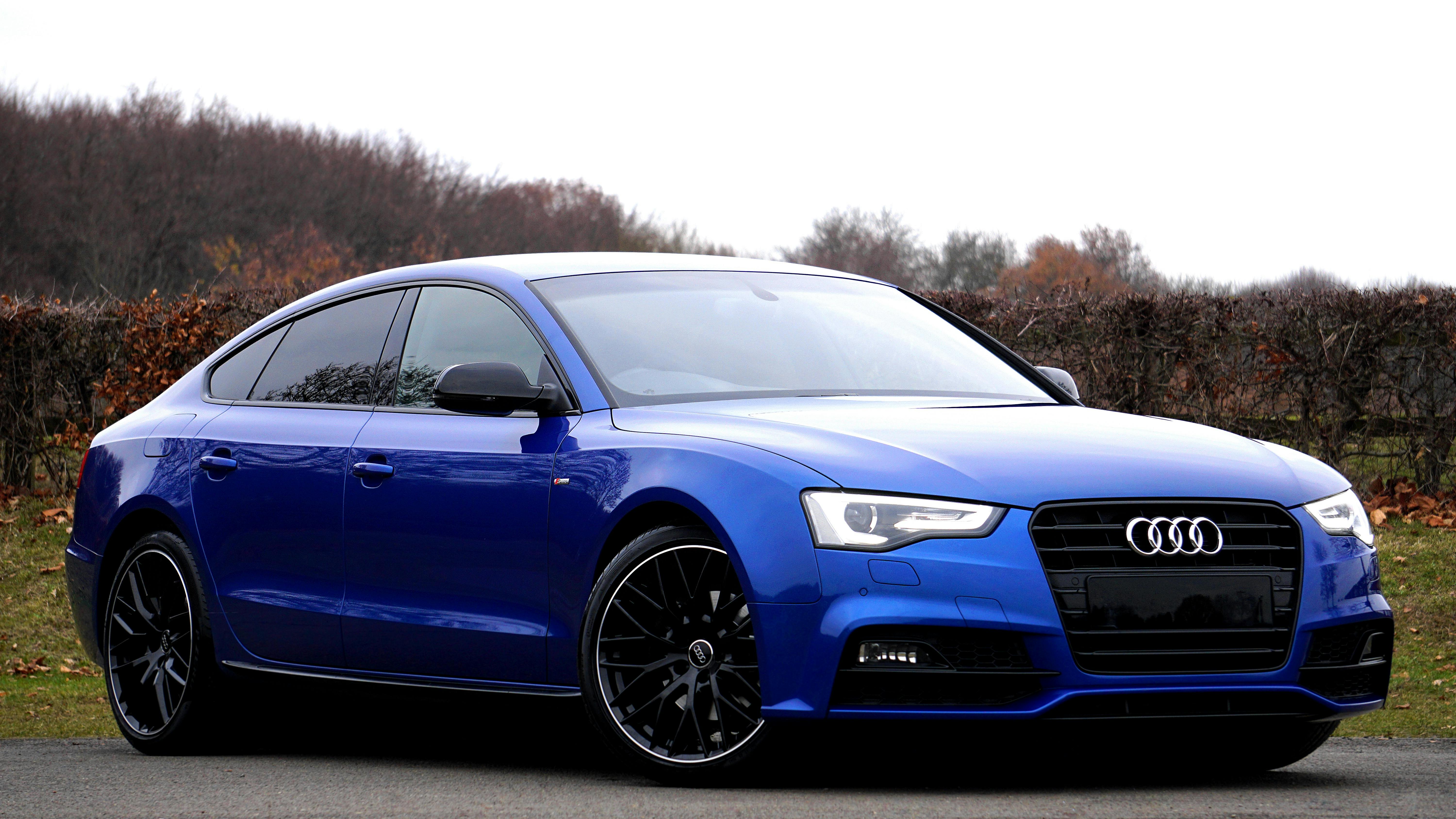
That sinking feeling when your car window decides to spontaneously descend and refuse all commands is one familiar to many drivers. It's not just an inconvenience; it's a security risk, especially in inclement weather. Understanding the common causes and potential fixes for a window that has "fallen down" is crucial for both car owners and automotive professionals.
Understanding the Culprits: Common Causes
Several factors can contribute to a car window's sudden descent and refusal to cooperate. Here's a breakdown of the usual suspects:
- Failed Window Regulator: This is often the primary culprit. The window regulator is the mechanical assembly responsible for raising and lowering the window. It typically consists of a motor, gears, and cables or a scissor-like mechanism. Over time, the motor can burn out, gears can strip, or cables can fray and snap.
- Faulty Window Motor: Even if the regulator itself is intact, the window motor that powers it can fail. This can be due to worn brushes, internal shorts, or simply reaching the end of its lifespan. Modern cars often have integrated window motor and regulator assemblies.
- Broken Window Clips: These small plastic or metal clips attach the window glass to the regulator. If these clips break, the window will detach from the mechanism and fall down into the door cavity. Often, you'll hear a distinct "pop" when this happens.
- Electrical Issues: Problems with the car's electrical system, such as a blown fuse, a faulty window switch, or a wiring harness issue, can prevent the window from operating. A corroded or disconnected ground wire can also cause problems.
- Track Obstruction: Debris, dirt, or ice can obstruct the window's track, preventing it from moving freely. This is more common in older vehicles or those frequently exposed to harsh environments.
Diagnosis: Getting to the Root of the Problem
Before attempting any repairs, a thorough diagnosis is essential. Here's a step-by-step approach:
- Listen Carefully: When you press the window switch, do you hear any motor noise? If not, it could indicate a blown fuse, a faulty switch, or a dead motor. If you hear a grinding or clicking sound, it's more likely a problem with the regulator or motor.
- Check the Fuse: Locate the fuse box (usually under the dashboard or in the engine compartment) and check the fuse for the power windows. A blown fuse is an easy and inexpensive fix. Refer to your owner's manual for the fuse location.
- Inspect the Window Switch: A faulty window switch can prevent power from reaching the motor. You can test the switch using a multimeter to check for continuity when the switch is activated.
- Examine the Door Panel: If possible, carefully remove the door panel to visually inspect the regulator, motor, and window clips. Look for broken or damaged components. This may require specialized tools and knowledge, so proceed with caution.
- Test the Motor Directly: If you suspect the motor is faulty, you can try applying power directly to it using a 12-volt power source. If the motor doesn't respond, it's likely dead.
Repair Options: From DIY to Professional Help
The appropriate repair strategy depends on the diagnosis and your comfort level with automotive work.
- Fuse Replacement: A straightforward DIY task. Ensure you use the correct amperage fuse, as specified in your owner's manual.
- Window Switch Replacement: Relatively simple, but requires some basic electrical knowledge. Disconnect the battery before working on any electrical components.
- Window Regulator/Motor Replacement: This is a more involved repair that often requires removing the door panel, disconnecting the wiring harness, and carefully removing and replacing the regulator and motor assembly. Special tools may be required, and it's crucial to follow the manufacturer's instructions carefully.
- Window Clip Replacement: If only the clips are broken, you can replace them without replacing the entire regulator. However, accessing the clips may still require removing the door panel.
- Professional Repair: If you're uncomfortable performing any of these repairs yourself, it's best to take your vehicle to a qualified mechanic. They have the expertise and tools to diagnose and repair the problem quickly and efficiently. They can also ensure that the repair is done correctly, preventing further issues.
Preventive Measures: Keeping Your Windows Operational
While some window problems are unavoidable, there are steps you can take to prolong the life of your power windows:
- Regularly Clean the Window Tracks: Remove any debris or dirt that can obstruct the window's movement. Silicone spray lubricant can help keep the tracks smooth.
- Avoid Overusing the Windows: Excessive use, especially in extreme temperatures, can put extra strain on the motor and regulator.
- Address Problems Promptly: If you notice any signs of window problems, such as slow or noisy operation, address them immediately before they escalate into more serious issues. Ignoring the problem will only lead to more expensive repairs down the road.
By understanding the potential causes of a fallen car window and knowing how to diagnose and repair the problem, you can save time, money, and the frustration of being stuck with a window that won't cooperate. Remember to always prioritize safety and consult a professional if you're unsure about any aspect of the repair.