
Chevy Cruze Mass Air Flow Sensor Location
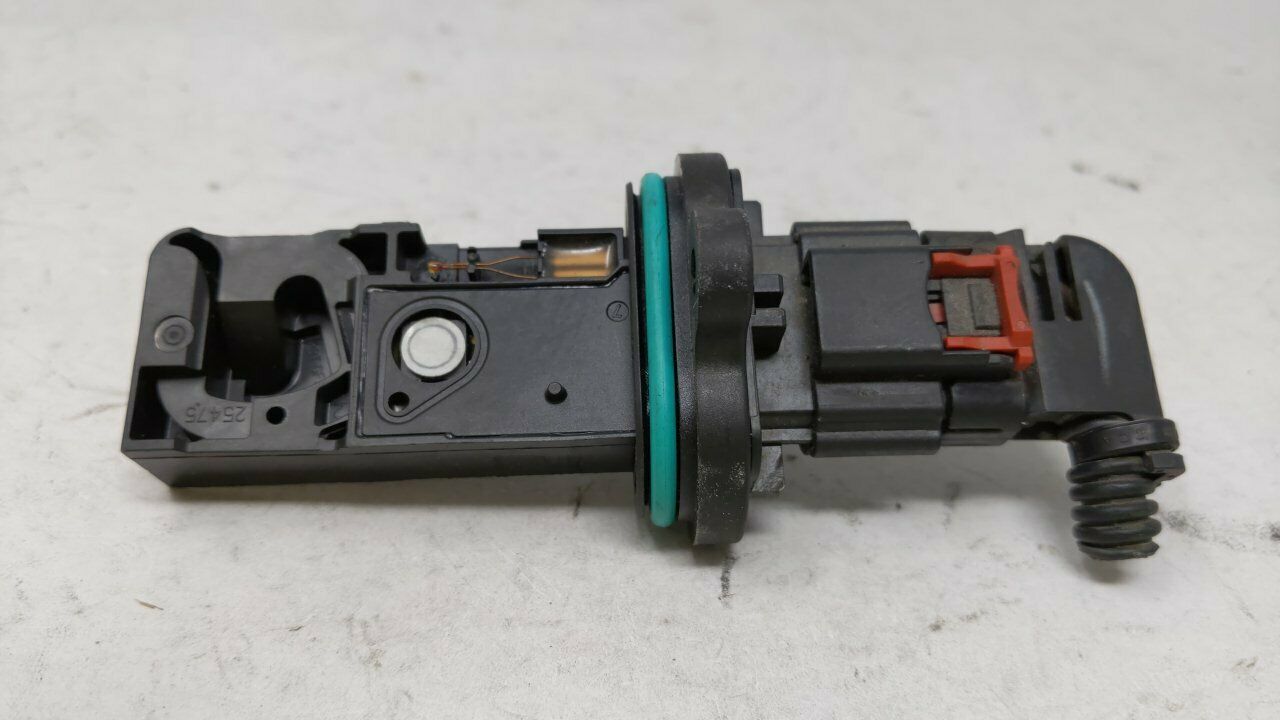
The Mass Air Flow (MAF) sensor is a critical component in your Chevy Cruze's engine management system. It measures the amount of air entering the engine, allowing the engine control unit (ECU) to accurately calculate the correct fuel mixture for optimal combustion. A faulty MAF sensor can lead to a host of performance problems, so understanding its location, how to troubleshoot it, and how to maintain it is crucial for both car owners and mechanics.
Locating the MAF Sensor on a Chevy Cruze
On most Chevy Cruze models, the MAF sensor is located in the intake air duct, typically between the air filter box and the throttle body. It's usually a cylindrical or rectangular sensor with a wiring harness connected to it. It's relatively easy to access once you locate the air filter housing. You might need a screwdriver or pliers to loosen hose clamps securing the air duct to the air filter box and the throttle body. Always disconnect the negative battery terminal before working on any electrical components.
Common Symptoms of a Faulty MAF Sensor
Recognizing the symptoms of a failing MAF sensor can save you time and money. Some common indicators include:
- Poor Fuel Economy: The ECU might misinterpret the air intake and inject too much or too little fuel, leading to decreased MPG.
- Rough Idling: An inaccurate air-fuel mixture can cause the engine to idle erratically, often stalling or running rough.
- Hesitation During Acceleration: The engine might stumble or hesitate when you try to accelerate, lacking the power you expect.
- Check Engine Light: A faulty MAF sensor often triggers the check engine light. Common diagnostic trouble codes (DTCs) associated with MAF sensor issues include P0100, P0101, P0102, P0103, and P0104.
- Engine Stalling: In severe cases, a bad MAF sensor can cause the engine to stall completely, especially at low speeds or when coming to a stop.
- Black Smoke from Exhaust: A rich fuel mixture (too much fuel, not enough air) can result in black smoke emanating from the exhaust pipe.
Troubleshooting the MAF Sensor: Problem-Solution Approach
Let's examine common problems and their solutions:
Problem 1: Check Engine Light with MAF Sensor Code
Symptom: Check engine light is on, and a diagnostic scan reveals codes related to the MAF sensor (P0100 series).
Possible Causes:
- Dirty MAF Sensor: Dust, debris, and oil can contaminate the sensor, affecting its accuracy.
- Loose or Damaged Wiring: Damaged wiring or a loose connector can disrupt the sensor's signal.
- Vacuum Leaks: Air entering the engine through leaks after the MAF sensor can throw off the readings.
- Faulty MAF Sensor: The sensor itself may be defective.
Solutions:
- Inspect Wiring and Connector: Check for loose connections, frayed wires, or corrosion. Clean the connector with electrical contact cleaner.
- Clean the MAF Sensor: Use a specialized MAF sensor cleaner. Do not use carburetor cleaner or brake cleaner, as these can damage the sensor. Spray the sensor wires or filaments gently and allow it to air dry completely before reinstalling.
- Check for Vacuum Leaks: Inspect vacuum hoses and intake manifold gaskets for cracks or leaks. Use a smoke machine or carb cleaner spray (carefully!) to identify leaks.
- Test the MAF Sensor: Use a multimeter to check the sensor's voltage output at idle and during acceleration. Compare the readings to the manufacturer's specifications. A mechanic should perform this.
- Replace the MAF Sensor: If cleaning and testing don't resolve the issue, the sensor likely needs replacement. Use a quality OEM or reputable aftermarket replacement sensor.
Problem 2: Poor Fuel Economy and Rough Idling
Symptom: Noticeable drop in fuel economy and the engine idles roughly or stalls.
Possible Causes:
- Dirty MAF Sensor: Even a small amount of contamination can significantly impact fuel economy and idle quality.
- Air Filter Issues: A clogged air filter can restrict airflow and affect the MAF sensor's readings.
Solutions:
- Clean the MAF Sensor: As mentioned above, use MAF sensor cleaner carefully.
- Replace the Air Filter: A clogged air filter is a common culprit. Replace it with a new, high-quality filter.
- Check for Intake Leaks: Inspect the intake system for any leaks that might be affecting the air-fuel mixture.
Problem 3: Hesitation During Acceleration
Symptom: The engine hesitates or stumbles when accelerating.
Possible Causes:
- Faulty MAF Sensor: The sensor might not be accurately measuring airflow, leading to an incorrect fuel mixture during acceleration.
- Fuel Delivery Issues: Although less likely, consider other possibilities like a failing fuel pump or clogged fuel filter.
Solutions:
- Test the MAF Sensor's Response: Monitor the MAF sensor's output using a scan tool while accelerating. The reading should increase smoothly and proportionally to the throttle input.
- Consider Fuel System Diagnosis: If the MAF sensor appears to be functioning correctly, investigate potential fuel delivery problems.
Real-World Examples and Model Variations
The Chevy Cruze, especially models from 2011-2016 with the 1.4L turbocharged engine, are known to be particularly susceptible to MAF sensor issues. The sensor can get contaminated relatively quickly due to its location and the engine's design. Similar issues can be observed on other vehicles like the Chevy Malibu and Buick Verano which sometimes share similar engine components. For example, the 2013 Chevy Malibu Eco can exhibit similar MAF sensor-related symptoms due to its similar 2.4L engine design. The 2017-2019 Cruze models can also experience these problems, though perhaps to a lesser degree.
Preventative Maintenance and Keeping Your Car in Top Condition
Preventative maintenance is key to avoiding MAF sensor problems and other engine issues. Here are some tips:
- Regular Air Filter Changes: Replace your air filter according to the manufacturer's recommended schedule. A clean air filter prevents debris from reaching the MAF sensor.
- Avoid Over-Oiling Air Filters: If you use an aftermarket oiled air filter, be careful not to over-oil it. Excess oil can contaminate the MAF sensor.
- Use Quality Fuel: Using high-quality fuel can reduce carbon buildup and keep your engine running smoothly.
- Regular Engine Tune-Ups: Regular tune-ups, including spark plug replacement and fuel system cleaning, can help prevent engine problems that can indirectly affect the MAF sensor.
- Address Problems Early: Don't ignore warning signs like rough idling or poor fuel economy. Addressing problems early can prevent them from escalating.
By understanding the MAF sensor's function, location, common problems, and preventative maintenance, you can keep your Chevy Cruze (or any vehicle) running smoothly and efficiently for years to come. Always consult a qualified mechanic for any complex repairs or diagnoses.