
Chevy Cruze Mass Air Flow Sensor Problems
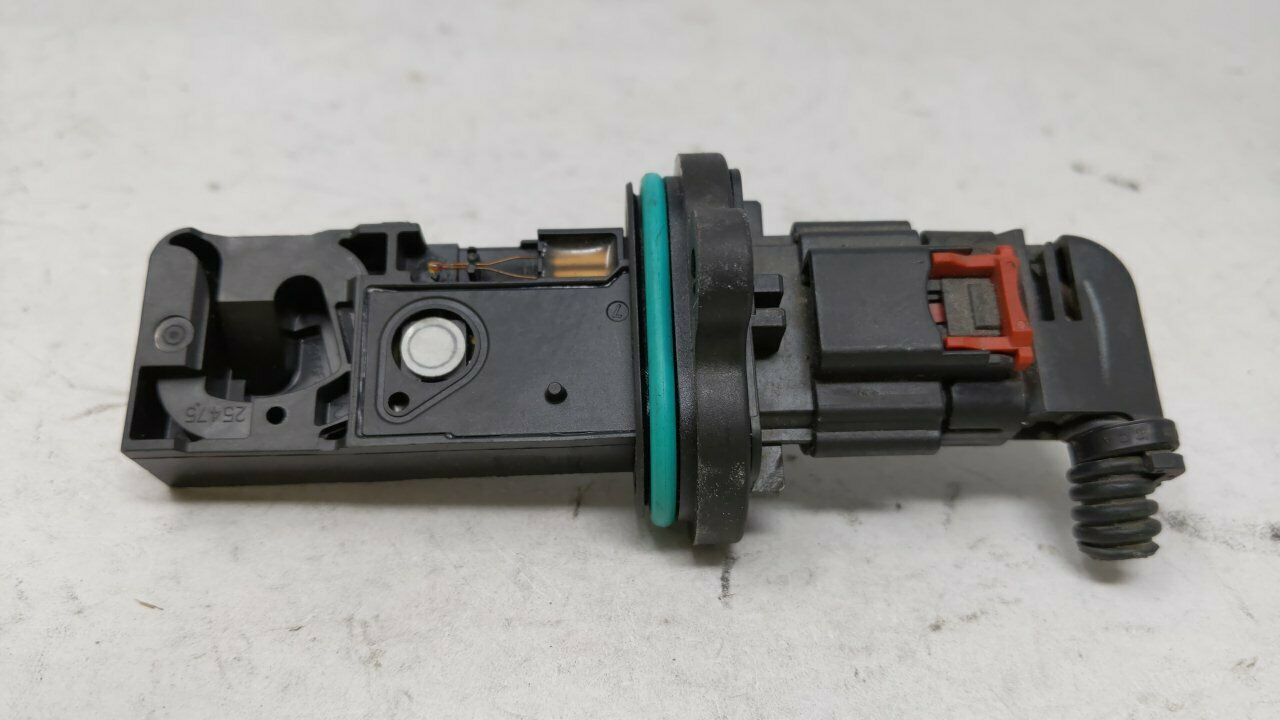
The Chevrolet Cruze, a popular compact car sold globally, has been known to experience issues with its Mass Air Flow (MAF) sensor. While not unique to this model, the frequency and nature of these issues warrant a closer look, especially for automotive professionals responsible for diagnosing and repairing them. This article will delve into the technical specifications, engineering choices, real-world performance, alternatives, reliability, maintenance, and future trends related to the Cruze MAF sensor.
Technical Specifications and Engineering Choices
The MAF sensor in the Cruze, typically a hot-wire anemometer type, is responsible for measuring the mass flow rate of air entering the engine. This information is critical for the Engine Control Unit (ECU) to accurately calculate the correct amount of fuel to inject, ensuring optimal combustion, fuel efficiency, and emissions control. The hot-wire design involves a heated wire or film placed in the intake air stream. The ECU maintains the wire at a constant temperature difference relative to the air temperature. The electrical current required to maintain this temperature difference is directly proportional to the mass airflow. This analog signal is then converted to a digital signal that the ECU can process.
General Motors has utilized various MAF sensor designs across different Cruze model years and engine configurations. Early models, particularly those with the 1.4L turbocharged engine, have been more susceptible to MAF sensor failures. These sensors often operate within a specific voltage range, typically 0-5 volts, with the frequency and duty cycle of the signal varying based on airflow. Key specifications include the sensor's operating temperature range, typically -40°C to 125°C, and its accuracy, generally within a few percentage points. Understanding these specifications is crucial for accurate diagnosis and troubleshooting.
The choice of a hot-wire MAF sensor over other types, such as a vane meter, is primarily driven by its faster response time and lower obstruction to airflow. However, hot-wire sensors are more vulnerable to contamination. Dust, oil, and other debris can coat the hot wire, insulating it and causing inaccurate readings. The placement of the MAF sensor within the intake system is also a critical engineering consideration. Ideally, it should be located in a straight section of the intake duct, far enough away from bends and other obstructions to ensure laminar airflow. However, packaging constraints within the Cruze engine bay might compromise this ideal placement in some instances.
Real-World Performance and Common Problems
In real-world applications, a faulty MAF sensor in a Chevy Cruze can manifest in various symptoms. These include:
- Poor fuel economy: An inaccurate MAF sensor can cause the ECU to inject too much or too little fuel, leading to decreased fuel efficiency.
- Rough idling: Incorrect air-fuel mixtures can result in unstable idling.
- Hesitation or stalling: The engine may hesitate during acceleration or stall completely.
- Check engine light: Diagnostic trouble codes (DTCs) such as P0101 (MAF Sensor Circuit Range/Performance), P0102 (MAF Sensor Circuit Low Input), and P0103 (MAF Sensor Circuit High Input) are commonly triggered.
- Reduced power: Insufficient airflow measurement limits the engine's ability to generate power.
These symptoms can be intermittent, making diagnosis challenging. Proper diagnosis requires a scan tool to read DTCs and live data from the MAF sensor. A multimeter can also be used to check the sensor's wiring and voltage output. A visual inspection of the sensor itself can reveal signs of contamination.
Alternatives and Comparison
While hot-wire MAF sensors are the predominant technology, other airflow measurement methods exist. Vane meters, also known as flapper-door sensors, use a hinged vane positioned in the intake airflow. The vane's displacement is proportional to the airflow. However, vane meters are less accurate and more restrictive than hot-wire sensors, making them unsuitable for modern vehicles like the Cruze. Another alternative is the Karman vortex meter, which uses a bluff body to create vortices in the airflow. The frequency of these vortices is proportional to the airflow. Karman vortex meters offer good accuracy but are more complex and expensive than hot-wire sensors.
Pros of Hot-Wire MAF Sensors: Fast response time, low airflow obstruction, relatively simple design. Cons of Hot-Wire MAF Sensors: Susceptible to contamination, accuracy can drift over time.
Reliability Aspects and Maintenance Tips
The reliability of the Cruze MAF sensor can be affected by several factors, including the quality of the sensor itself, the operating environment, and the vehicle's maintenance history. Aftermarket MAF sensors can vary significantly in quality, with some offering questionable performance and longevity. It's generally recommended to use OEM or reputable aftermarket brands.
Preventative maintenance can help prolong the life of the MAF sensor. This includes:
- Regularly replacing the air filter to prevent dirt and debris from entering the intake system.
- Avoiding over-oiling air filters, as excess oil can contaminate the MAF sensor.
- Using a dedicated MAF sensor cleaner to remove contamination. Avoid using other solvents, as they may damage the sensor.
- Inspecting the intake system for leaks, as unmetered air can skew the MAF sensor readings.
Future Trends
Future trends in airflow measurement include the development of more robust and accurate MAF sensors. Research is ongoing into sensors that are less susceptible to contamination and can operate over a wider range of temperatures and pressures. Additionally, some manufacturers are exploring alternative technologies, such as ultrasonic flow meters, which offer high accuracy and are not affected by contamination. With the increasing adoption of hybrid and electric vehicles, the role of the MAF sensor may evolve, but airflow measurement will remain crucial for optimizing engine performance and emissions control in internal combustion engines.
Forward-Looking Note
The automotive industry is rapidly evolving, driven by advancements in technology, stricter emissions regulations, and changing consumer preferences. As vehicles become more complex, automotive professionals must stay abreast of the latest technologies and diagnostic techniques. Understanding the intricacies of systems like the MAF sensor is essential for providing effective and reliable service. Furthermore, adapting to the growing prevalence of electric and hybrid vehicles will require new skills and knowledge. Continuous learning and professional development are crucial for success in the automotive industry.