
Control Module Input Power A Circuit Low
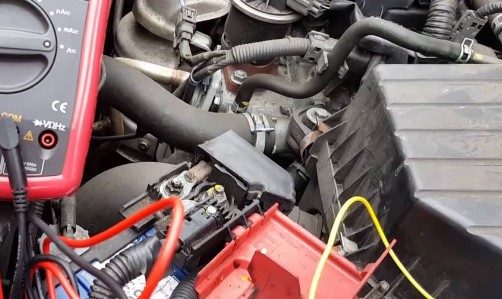
Ah, the dreaded P0685 code: Control Module Input Power A Circuit Low. Sounds technical and intimidating, doesn't it? But don't reach for the diazepam just yet. While it *can* indicate a serious problem, understanding the nuances of this code, especially how it manifests across different platforms, can save you time, money, and a whole lot of frustration.
Decoding the P0685: It's Not Always What It Seems
At its core, the P0685 code signifies a low voltage condition in the control module's power supply circuit. Think of it like your phone struggling to charge because the cable is frayed. The "A Circuit" usually refers to the primary power input to the engine control unit (ECU) or powertrain control module (PCM). However, the specific components and wiring involved can vary dramatically depending on the vehicle manufacturer, model year, and even the engine type. This is where things get interesting.
For example, on older General Motors vehicles (think late 90s to early 2000s), the P0685 often pointed to a faulty ignition switch or a problem with the crank relay. Meanwhile, on certain BMW models, the culprit might be a failing DME relay (Digital Motor Electronics relay, their version of the PCM). Understanding this difference is crucial for accurate diagnosis.
Comparing Apples and Oranges: P0685 Across Platforms
Let's dive into some specific examples to illustrate the variations. We'll compare a common American muscle car, a European performance sedan, and a Japanese sports coupe.
Example Vehicles:
- Ford Mustang GT (2015-2017, 5.0L Coyote V8): Known for its robust engine, but also susceptible to battery drain issues and relay failures.
- BMW 335i (E90, 2007-2013, N54/N55 Inline-6 Turbo): A complex system with multiple sensors and control modules. Prone to electrical gremlins.
- Nissan 370Z (2009-2020, VQ37VHR V6): Generally reliable, but age and wear can still cause issues.
Spec Table: Potential P0685 Causes
| Vehicle | Common P0685 Causes | Diagnostic Tools | Typical Repair Cost (DIY vs. Shop) |
|---|---|---|---|
| Mustang GT (2015-2017) | Weak battery, faulty PCM power relay, loose connections, wiring harness damage. | Multimeter, OBD-II scanner with live data, wiring diagrams. | $50-$300 (DIY), $200-$800 (Shop) |
| BMW 335i (E90) | Faulty DME relay, low battery voltage, parasitic drain, damaged wiring harness (especially around the engine). | BMW-specific scan tool (e.g., ISTA), multimeter, wiring diagrams. | $80-$400 (DIY), $300-$1200 (Shop) |
| Nissan 370Z (2009-2020) | Failed ignition switch, corroded battery terminals, faulty ECM relay, grounding issues. | Multimeter, OBD-II scanner, wiring diagrams. | $40-$250 (DIY), $150-$600 (Shop) |
Real-World Driving Impressions & Diagnostic Tips
Imagine you're behind the wheel of that Mustang GT. You turn the key, and... nothing. Or maybe the engine cranks slowly, struggles to start, and then throws a P0685. This could point to a tired battery or a failing PCM power relay. Check the battery voltage first! A voltage below 12.4V at rest is a red flag.
In the 335i, a P0685 might be accompanied by other seemingly unrelated symptoms, like intermittent engine stalls or random electrical glitches. This is where a BMW-specific scan tool becomes invaluable. It can read the DME's voltage supply and pinpoint the source of the problem more accurately. Look for voltage drops under load.
With the 370Z, a P0685 might manifest as a no-start condition after the car has been sitting for a while. Corroded battery terminals are a common culprit in this scenario. A simple cleaning and tightening of the terminals could be all it takes to resolve the issue. Don't overlook the basics!
Pros & Cons of Different Approaches
- DIY Diagnosis & Repair:
- Pros: Cost-effective, learn valuable skills, gain a deeper understanding of your vehicle.
- Cons: Requires time, patience, and the right tools. Risk of misdiagnosis or further damage if not performed correctly.
- Professional Diagnosis & Repair:
- Pros: Experienced technicians, specialized tools, guaranteed work.
- Cons: More expensive, potential for unnecessary repairs if the shop isn't reputable.
The Bottom Line
The P0685 code, "Control Module Input Power A Circuit Low," isn't a death sentence for your ride. By understanding the potential causes and how they differ across various makes and models, you can approach the problem with a more informed perspective. Remember to prioritize basic checks like battery voltage and connection integrity before diving into more complex diagnostics. And don't be afraid to consult wiring diagrams and online resources specific to your vehicle.
Pro Tip: Always disconnect the negative battery terminal before working on any electrical components. Safety first!
Now for the debate: Which vehicle has the most infuriating electrical gremlins: German, American, or Japanese? Let the arguments begin!