
Cooper Tires Prices And Sizes
Cooper Tire & Rubber Company, now part of Goodyear Tire & Rubber Company, has been a mainstay in the tire industry for over a century, offering a wide array of tires for various vehicles and driving conditions. From rugged off-road adventures to smooth highway cruising, Cooper aims to provide quality and performance at competitive prices. Understanding the nuances of Cooper tire prices and sizes is crucial for both consumers and automotive professionals.
Decoding Cooper Tire Pricing
Cooper tire prices vary depending on several factors. These include:
- Tire Type: Passenger tires, truck tires, SUV tires, and performance tires have different constructions and materials, influencing their price.
- Size: Larger tires generally cost more due to increased material usage.
- Tread Pattern: Specialized tread patterns for off-road or winter conditions often command a premium.
- Load and Speed Rating: Tires with higher load and speed ratings, built for heavier vehicles and higher speeds, typically have a higher price point.
- Warranty: Tires with more comprehensive warranties may be priced higher, reflecting the added protection.
- Retailer: Prices can fluctuate between different retailers (online vs. brick-and-mortar) due to overhead and promotional offers.
To get a general idea, entry-level Cooper passenger tires might start around $80-$100 per tire. Mid-range tires, offering a balance of performance and durability, could range from $120-$200. High-performance or specialized truck/SUV tires can easily exceed $250 or even $300 per tire. Keep an eye out for seasonal promotions and rebates, which can significantly reduce the overall cost.
Understanding Cooper Tire Sizes
Tire size is denoted by a series of numbers and letters printed on the tire's sidewall. Understanding this code is essential for selecting the correct replacement tires. A typical tire size might look like this: P235/65R17 98H.
Breaking Down the Tire Size Code
- P: Indicates the tire is designed for Passenger vehicles (optional; some tires omit this, implying passenger use). "LT" would indicate a Light Truck tire.
- 235: Represents the tire's section width in millimeters (mm). This is the width of the tire from sidewall to sidewall.
- 65: Indicates the aspect ratio. This is the ratio of the tire's sidewall height to its section width, expressed as a percentage. In this case, the sidewall height is 65% of the 235mm section width.
- R: Denotes radial construction. Nearly all modern tires are radial.
- 17: Represents the wheel diameter in inches. This tire is designed to fit a 17-inch wheel.
- 98: Is the load index, a numerical code corresponding to the maximum weight the tire can carry when properly inflated. Refer to a load index chart for specific weight values.
- H: Is the speed symbol, indicating the maximum speed the tire is rated for. An "H" rating signifies a maximum speed of 130 mph.
It's crucial to adhere to the vehicle manufacturer's recommended tire size. Deviating from the specified size can affect speedometer accuracy, handling, braking performance, and even trigger vehicle stability control system errors. Consult your vehicle's owner's manual or the tire information placard (usually located on the driver's side doorjamb) for the correct tire size.
Popular Cooper Tire Models and Their Price Ranges
Cooper offers a diverse range of tire models, each designed for specific applications. Here are a few popular examples, along with their approximate price ranges (per tire, before installation):
- Cooper Discoverer AT3 4S: A versatile all-terrain tire suitable for light trucks and SUVs. Known for its good on-road manners and decent off-road capability. ($150 - $250)
- Cooper CS5 Ultra Touring: A passenger tire designed for a comfortable and quiet ride. Ideal for sedans and minivans. ($100 - $180)
- Cooper Evolution H/T: A highway terrain tire designed for SUVs and light trucks. Focuses on long tread life and a smooth ride. ($120 - $200)
- Cooper Zeon RS3-G1: A high-performance all-season tire for sports cars and performance sedans. Provides excellent grip and handling in various conditions. ($140 - $220)
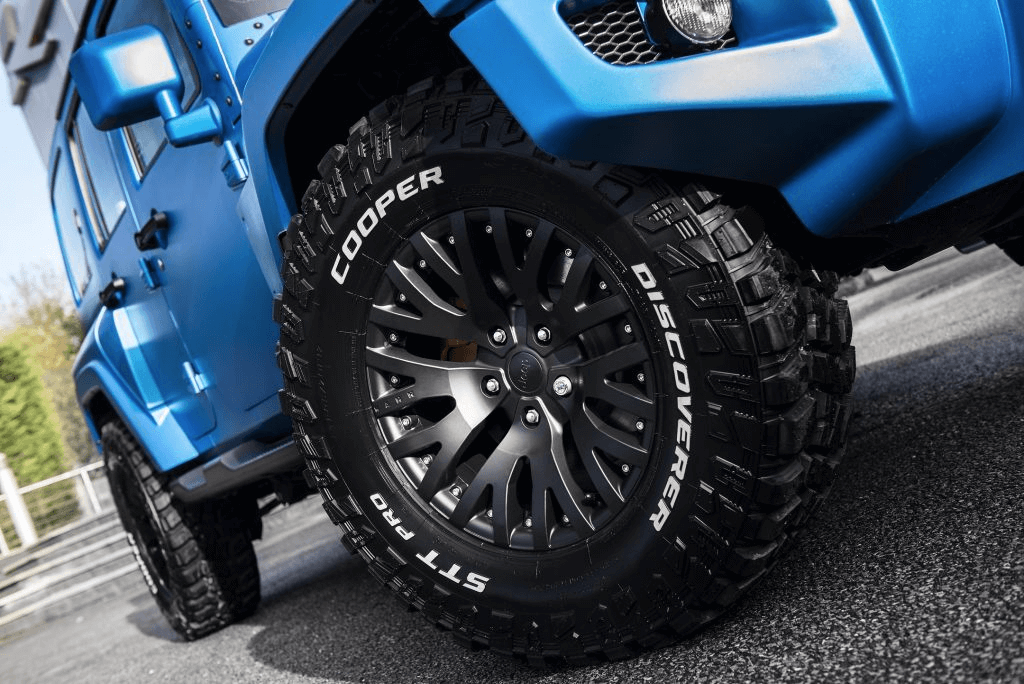
- Cooper Discoverer STT Pro: A mud-terrain tire built for extreme off-road conditions. Features aggressive tread patterns for maximum traction in mud and rocks. ($200 - $400+)
These price ranges are estimates and can vary depending on the specific tire size and retailer.
Choosing the Right Cooper Tire: Key Considerations
Selecting the appropriate Cooper tire involves evaluating several factors:
- Vehicle Type: Ensure the tire is designed for your specific vehicle type (passenger car, truck, SUV, etc.).
- Driving Conditions: Consider your typical driving environment. Do you primarily drive on paved roads, or do you frequently venture off-road? Do you live in an area with harsh winters?
- Tire Performance Characteristics: Determine what characteristics are most important to you. Are you prioritizing comfort, fuel efficiency, handling, or off-road traction?
- Budget: Set a budget and compare different tire models within your price range.
- Tire Reviews: Read online reviews from other users to get a sense of the tire's real-world performance and durability.
For example, a daily commuter driving a sedan would likely prioritize a touring tire like the Cooper CS5 Ultra Touring, focusing on comfort, low noise, and long tread life. Conversely, an off-road enthusiast driving a Jeep Wrangler would opt for a more aggressive tire like the Cooper Discoverer STT Pro, prioritizing maximum traction in challenging terrain.
Installation Costs and Additional Considerations
The price of the tire itself is only one part of the equation. Don't forget to factor in installation costs, which typically include:
- Mounting and Balancing: The process of attaching the tire to the wheel and ensuring it is properly balanced to prevent vibrations.
- Valve Stem Replacement: Replacing the valve stem is recommended whenever you install new tires.
- Tire Disposal Fee: A fee charged for the proper disposal of your old tires.
Installation costs can vary between tire shops, so it's wise to get quotes from multiple locations. In addition, consider the following:
- Tire Pressure Monitoring System (TPMS): If your vehicle is equipped with TPMS, ensure the sensors are properly functioning after the tire installation. Some shops may charge extra to reprogram the TPMS sensors.
- Wheel Alignment: Getting a wheel alignment after installing new tires is highly recommended. Proper alignment helps to ensure even tire wear and optimal handling.
- Road Hazard Warranty: Consider purchasing a road hazard warranty, which covers damage caused by potholes, nails, and other road hazards.
Cooper Tire Maintenance Tips
To maximize the lifespan and performance of your Cooper tires, follow these maintenance tips:
- Maintain Proper Tire Pressure: Check your tire pressure regularly (at least once a month) and inflate to the recommended pressure specified on the tire information placard or in your owner's manual.
- Rotate Your Tires: Rotate your tires every 5,000-8,000 miles to promote even wear. Consult your owner's manual for the recommended rotation pattern.
- Inspect Your Tires Regularly: Look for signs of damage, such as cuts, bulges, or uneven wear. Address any issues promptly.
- Balance Your Tires: Have your tires balanced periodically to prevent vibrations and ensure a smooth ride.
- Get a Wheel Alignment: Maintain proper wheel alignment to prevent uneven tire wear and ensure optimal handling.
Conclusion
Cooper tires offer a wide range of options for various vehicles and driving needs. By understanding the factors that influence Cooper tire prices and sizes, and by following proper maintenance procedures, you can make informed decisions and ensure that your tires provide optimal performance, safety, and longevity. Always consult with a qualified tire professional for personalized recommendations and installation services.