
Cost Of Brake Pads And Rotors Replacement
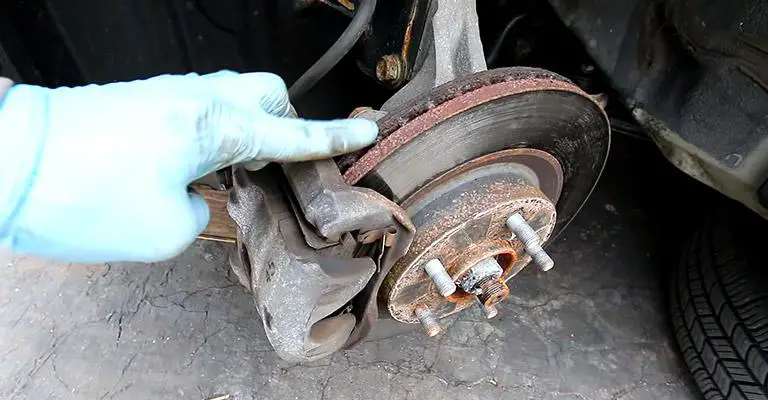
Brakes are arguably the most critical safety feature in your vehicle. Maintaining them in optimal condition is paramount. One of the most common maintenance tasks is replacing brake pads and rotors. Understanding the costs associated with this service is crucial for responsible car ownership. This article provides a comprehensive overview of the factors influencing the cost of brake pads and rotors replacement, helping you budget effectively and make informed decisions.
Factors Influencing the Cost of Brake Pads and Rotors Replacement
Several factors contribute to the overall cost of replacing your brake pads and rotors. These include the type of parts used, the make and model of your vehicle, labor costs, and the geographical location of the repair shop.
Type of Brake Pads
Brake pads come in various materials, each offering different performance characteristics and price points. The most common types include:
- Organic Brake Pads: These are the least expensive and are made from materials like rubber, fiber, and resin. They are quiet and produce less dust, but they wear down faster and are not suitable for heavy-duty applications.
- Semi-Metallic Brake Pads: A blend of metal and organic materials, these pads offer a good balance of performance and cost. They provide better stopping power than organic pads and last longer, but they can be noisier and produce more brake dust.
- Ceramic Brake Pads: Made from ceramic fibers, these pads are the most expensive option. They offer excellent stopping power, are quiet, and produce very little dust. They also last longer than other types of brake pads, making them a worthwhile investment for some drivers.
The type of brake pad you choose will significantly impact the overall cost of the brake pads and rotors replacement. High-performance or specialized pads will naturally be more expensive than standard options.
Type of Rotors
Similar to brake pads, rotors also come in different types and materials, influencing the price. The common rotor types are:
- Solid Rotors: The most basic type of rotor, typically found on older or smaller vehicles.
- Vented Rotors: Designed with internal fins to dissipate heat more effectively, commonly used on front brakes.
- Drilled Rotors: Holes are drilled through the rotor surface, offering improved cooling and potentially better braking performance in wet conditions.
- Slotted Rotors: Grooves are cut into the rotor surface to help remove debris and improve brake bite.
- Drilled and Slotted Rotors: A combination of both drilled and slotted designs, offering maximum cooling and debris removal, but often at a higher price point.
The choice depends on your vehicle type and driving style. Performance rotors will increase the overall expense.
Vehicle Make and Model
The make and model of your vehicle also play a significant role in the cost of brake pads and rotors replacement. Luxury and high-performance vehicles often require specialized parts that are more expensive than those for standard cars. Additionally, some vehicles may have more complex braking systems, which can increase labor costs.
Parts for European vehicles, for example, can be significantly more costly than those for domestic or Asian brands. Always check the availability and pricing of parts specific to your vehicle before committing to the repair.
Labor Costs
Labor costs vary widely depending on the repair shop's location and the mechanic's hourly rate. Dealerships typically charge higher labor rates than independent repair shops. However, dealerships may have specialized knowledge and equipment for your particular vehicle make.
The complexity of the brake system also affects labor costs. Some vehicles have straightforward braking systems, while others require more intricate procedures for brake pads and rotors replacement. Getting quotes from multiple shops is essential to compare labor costs and ensure you are getting a fair price.
Geographical Location
The cost of living in your area can also influence the cost of brake pads and rotors replacement. Repair shops in metropolitan areas with higher overhead costs tend to charge more for labor and parts than those in rural areas. Regional differences in parts availability and demand can also affect pricing.
"The cost of brake repairs can vary significantly depending on where you live. It's always a good idea to get multiple quotes to ensure you're getting the best possible price."
Average Cost of Brake Pads and Rotors Replacement
While the exact cost can vary based on the factors mentioned above, here's a general idea of what you can expect to pay for brake pads and rotors replacement:
- Brake Pads Only: $100 - $300 per axle (both wheels on one axle).
- Rotors Only: $150 - $400 per rotor.
- Brake Pads and Rotors (Both): $300 - $800 per axle.
These are just estimates, and the actual cost could be higher or lower depending on your specific situation. High-end vehicles with advanced braking systems can easily exceed these ranges.
DIY vs. Professional Installation
Replacing brake pads and rotors can be a DIY project for experienced mechanics. However, it's crucial to have the necessary tools and knowledge to perform the job safely and correctly. Improper installation can lead to brake failure and potentially dangerous situations.
If you are not comfortable working on your brakes, it's best to leave the job to a professional. A qualified mechanic can ensure that the job is done correctly and that your brakes are functioning properly.
Getting an Accurate Estimate
To get an accurate estimate for brake pads and rotors replacement, follow these steps:
- Identify the problem: Determine if you need to replace just the brake pads, just the rotors, or both. Look for signs like squealing noises, grinding sounds, or a pulsating brake pedal.
- Gather information: Know your vehicle's make, model, and year. This information is essential for getting accurate parts quotes.
- Get multiple quotes: Contact several repair shops and ask for written estimates. Be sure to specify the type of brake pads and rotors you want to use.
- Ask about warranties: Inquire about warranties on both parts and labor. A good warranty can protect you from unexpected costs if something goes wrong.
- Read reviews: Check online reviews to see what other customers have to say about the repair shops you are considering.
Extending the Life of Your Brakes
Proper maintenance and driving habits can help extend the life of your brake pads and rotors. Here are a few tips:
- Avoid hard braking: Gradual braking reduces wear and tear on your brakes.
- Keep your vehicle properly maintained: Regular inspections and maintenance can help identify potential brake problems early on.
- Don't overload your vehicle: Overloading your vehicle puts extra stress on your brakes.
- Flush your brake fluid regularly: Old brake fluid can become contaminated with moisture, which can corrode brake components.
Regular brake inspections are a crucial part of car maintenance. Ignoring unusual noises or symptoms can lead to more extensive and expensive repairs down the line.
Conclusion
Understanding the cost of brake pads and rotors replacement is essential for responsible car ownership. By considering the factors discussed in this article and following the tips for getting an accurate estimate, you can budget effectively and ensure that your brakes are always in optimal condition. Remember that your safety is paramount, and investing in quality brake components and professional installation is always a worthwhile investment.