
Cost Of Vw Passat Timing Belt Replacement
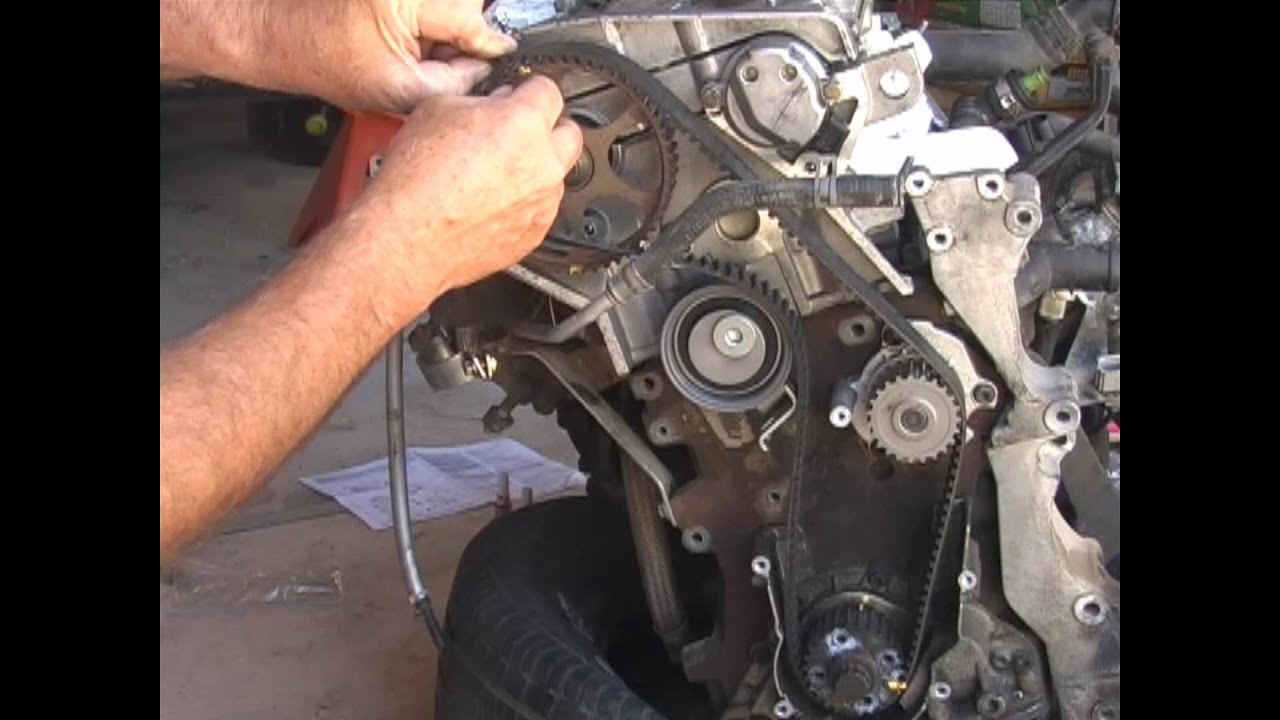
The VW Passat, a staple of the mid-size sedan market for decades, is known for its reliability and German engineering. However, like any car, regular maintenance is crucial for longevity. One of the most critical, and often overlooked, maintenance items is the timing belt replacement. This article delves into the cost of replacing the timing belt on a VW Passat, covering factors that influence the price and providing helpful information for both owners and automotive professionals.
Understanding the Timing Belt's Role
Before diving into costs, it's vital to understand the timing belt's function. In many Passat engines (particularly older models), the timing belt synchronizes the rotation of the crankshaft and the camshaft(s). This ensures that the engine's valves open and close at precisely the right moment relative to the piston's position. If the timing belt fails, catastrophic engine damage can occur, often resulting in bent valves, damaged pistons, and a significantly expensive repair bill. Some newer Passat models use a timing chain which generally lasts the lifetime of the engine, but timing belts are prevalent, especially in older models.
Factors Influencing Timing Belt Replacement Cost
The cost of replacing a VW Passat timing belt can vary significantly depending on several factors:
- Engine Type: Different Passat engines have different timing belt configurations. Older 1.8T and 2.0T engines are common, each with slightly different parts and labor requirements. Some diesel (TDI) engines also utilize timing belts.
- Location: Labor rates vary widely from region to region and even between shops within the same city. Dealerships generally charge higher labor rates than independent repair shops.
- Parts Quality: Opting for OEM (Original Equipment Manufacturer) parts or high-quality aftermarket brands like Continental or Gates will typically cost more upfront but can offer greater peace of mind and longevity compared to cheaper, less reputable brands. A complete timing belt kit often includes the belt, tensioner, idler pulleys, and water pump.
- Additional Services: It's strongly recommended to replace the water pump concurrently with the timing belt. The water pump is often driven by the timing belt, and since much of the labor overlaps, replacing it prevents future issues and saves on labor costs down the road. Other related services might include replacing the coolant, inspecting the accessory belts (serpentine belt), and checking the overall engine condition.
Estimating the Cost: A Breakdown
Here's a general estimate of the cost to replace a VW Passat timing belt, keeping in mind that these are just averages and actual prices can vary:
- Parts (Timing Belt Kit with Water Pump): $200 - $500. This range depends on the brand and whether you're using OEM or aftermarket parts.
- Labor: $400 - $800. Labor costs are influenced by the shop's hourly rate and the complexity of the job. A VW Passat timing belt replacement typically takes 4-6 hours of labor.
Therefore, the total cost for a VW Passat timing belt replacement generally falls within the range of $600 to $1300. Remember to get quotes from multiple shops to compare prices and services offered.
Real-World Examples and Considerations
Let's consider a few scenarios:
- Scenario 1: A 2012 Passat 2.0T owner in a major metropolitan area chooses an independent shop specializing in German vehicles. They opt for a Continental timing belt kit with a water pump. The total cost, including labor, is $950.
- Scenario 2: A 2007 Passat 1.8T owner takes their car to a dealership. They choose OEM parts and have the timing belt, water pump, and coolant replaced. The total cost is $1250.
- Scenario 3: A 2015 Passat TDI owner, with a significantly higher mileage, is advised to check the timing belt by his mechanic. After inspection the mechanic recommends replacing the timing belt. The owner choses a slightly cheaper aftermarket brand timing belt kit. The total costs $700.
These examples illustrate how various choices can impact the final cost.
DIY vs. Professional Installation
While some mechanically inclined individuals may consider tackling the timing belt replacement themselves, it's crucial to understand the risks involved. Incorrect timing can lead to severe engine damage. Special tools are often required, and precise alignment is essential. Unless you have extensive automotive experience and the necessary tools, it's generally recommended to leave this job to a qualified professional. The potential cost savings of DIY are often outweighed by the risk of costly mistakes. Improper tension on the belt can lead to premature wear or even breakage.
Preventative Maintenance and Conclusion
The best way to avoid a costly timing belt failure is to adhere to the manufacturer's recommended maintenance schedule. The VW Passat typically requires timing belt replacement every 60,000 to 100,000 miles, but always consult your owner's manual for the specific interval for your engine and model year. Regular inspections can also help identify potential problems early on. By understanding the importance of the timing belt and being proactive with maintenance, VW Passat owners can ensure the longevity and reliability of their vehicles.