
Cost To Replace Airbag Clock Spring
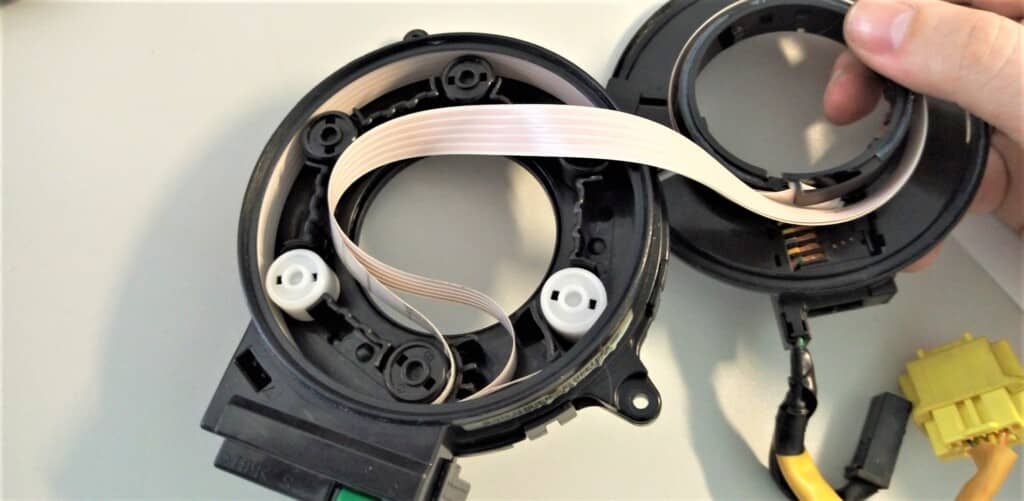
The airbag clock spring, a seemingly simple component nestled behind your steering wheel, is actually a critical link in your vehicle's safety and functionality. It's the unsung hero that allows you to honk your horn, control your radio volume, and cruise the open road while keeping you connected to the life-saving airbag system. When it fails, you're not just losing convenience; you're potentially compromising your safety. This article delves into the intricacies of the airbag clock spring, exploring its function, failure symptoms, replacement costs, and preventative measures.
What is an Airbag Clock Spring and What Does It Do?
Imagine a coiled ribbon cable, neatly tucked inside a circular housing. That’s essentially what an airbag clock spring is. Its primary function is to maintain a continuous electrical connection between the steering wheel-mounted components (airbag, horn, radio controls, cruise control buttons) and the vehicle's electrical system, regardless of the steering wheel's rotational position. As the steering wheel turns, the coiled cable within the clock spring winds and unwinds, maintaining the crucial electrical pathway. Without it, these steering wheel controls would become useless as soon as you turned the wheel. In short, the clock spring allows the steering wheel to rotate freely while still providing a reliable electrical connection for essential safety and convenience features.
The term "clock spring" itself is a bit of a misnomer. While early designs may have resembled a traditional clock spring, modern versions utilize a flat, flexible ribbon cable. Regardless of the internal design, the principle remains the same: a continuous electrical connection through rotational movement.
Symptoms of a Failing Airbag Clock Spring
Identifying a failing clock spring early can save you from potential safety hazards and more extensive repairs down the line. Here are some common symptoms to watch out for:
- Airbag Warning Light: This is often the first and most obvious sign. The airbag system is constantly self-monitoring, and a break in the circuit caused by a faulty clock spring will trigger the warning light.
- Horn Malfunction: If your horn only works intermittently or not at all, the clock spring is a prime suspect.
- Steering Wheel Control Issues: Radio volume, cruise control, and other steering wheel-mounted controls may become unresponsive or erratic.
- Clicking or Grinding Noise: As the clock spring's internal ribbon cable wears or breaks, it can produce a clicking, grinding, or scraping noise when the steering wheel is turned.
- Cruise Control Problems: If the cruise control won’t engage or disengages intermittently, it could be related to a clock spring issue.
- ABS or Traction Control Light: While less common, some vehicles integrate ABS and traction control sensors through the clock spring, leading to related warning lights.
It's crucial to note that these symptoms can sometimes be caused by other issues. A thorough diagnosis by a qualified mechanic is essential to pinpoint the root cause accurately. Ignoring these symptoms, especially the airbag warning light, could have serious consequences in the event of an accident.
Cost Breakdown: Replacing the Airbag Clock Spring
The cost of replacing an airbag clock spring can vary depending on several factors, including the vehicle's make and model, the complexity of the steering wheel assembly, and the hourly labor rate of the repair shop. Here's a general breakdown of the costs involved:
Parts Cost
The cost of the clock spring itself can range from $50 to $400 or more. Original Equipment Manufacturer (OEM) parts typically cost more than aftermarket alternatives. While aftermarket parts can be more affordable, it's crucial to choose a reputable brand to ensure quality and reliability. Consider the long-term implications of cheaper parts, particularly when dealing with safety-critical components like the airbag system. Using a substandard part can potentially compromise the airbag's functionality.
Some manufacturers sell the clock spring as part of a complete steering column module, which can significantly increase the parts cost. In these cases, exploring salvage yard options for a used, but functional, steering column may be a more economical solution.
Labor Cost
Labor costs can vary significantly depending on the complexity of the job and the shop's hourly rate. Replacing the clock spring typically involves removing the steering wheel, disconnecting the airbag, and disassembling the steering column. It's a delicate process that requires specialized tools and expertise to avoid damaging other components or accidentally deploying the airbag. Labor costs typically range from $100 to $300, depending on the vehicle and the shop's rates. Shops with certified technicians specializing in airbag systems may charge a premium for their expertise.
Additional Costs
In some cases, additional costs may be incurred, such as:
- Diagnostic Fee: Most shops will charge a diagnostic fee to determine the cause of the problem. This fee can range from $50 to $150.
- Alignment: In rare cases, removing and reinstalling the steering wheel can affect the vehicle's alignment. If this occurs, an alignment may be necessary, adding another $75 to $150 to the total cost.
- Programming: Some newer vehicles require the airbag system to be reprogrammed after replacing the clock spring. This can add another $50 to $100 to the cost.
Total Cost Estimate
Taking all these factors into account, the total cost to replace an airbag clock spring can range from $150 to $800 or more. To get an accurate estimate, it's best to obtain quotes from several reputable repair shops in your area. Be sure to ask for a detailed breakdown of the parts and labor costs.
DIY vs. Professional Repair
While some experienced DIYers may be tempted to tackle the clock spring replacement themselves, it's generally not recommended unless you have a thorough understanding of automotive electrical systems and airbag safety procedures. The airbag system is a complex and potentially dangerous component, and improper handling can result in serious injury or even death. Accidental airbag deployment can cause significant harm.
Furthermore, improper installation of the clock spring can lead to further problems and potentially compromise the airbag's functionality in the event of an accident. Unless you're a certified mechanic with specific experience in airbag system repairs, it's best to leave this job to the professionals. A professional repair shop will have the necessary tools, expertise, and insurance to handle the job safely and effectively.
Preventative Measures and Maintenance
While clock spring failure can sometimes be unavoidable, there are a few steps you can take to minimize the risk and extend its lifespan:
- Avoid Over-Rotating the Steering Wheel: Continuously "locking" the steering wheel by turning it to its maximum extent can put excessive stress on the clock spring.
- Gentle Steering: Avoid jerky or abrupt steering movements, which can also strain the clock spring.
- Proper Alignment: Maintaining proper wheel alignment reduces the effort required to steer the vehicle, minimizing stress on the steering system, including the clock spring.
- Regular Inspections: During routine maintenance, ask your mechanic to inspect the steering system for any signs of wear or damage.
While these measures can help, they don't guarantee that your clock spring will never fail. Regular maintenance and attentive driving habits can contribute to a longer lifespan.
Troubleshooting Tips (For Experienced Mechanics Only)
Disclaimer: Working on airbag systems requires specialized knowledge and safety precautions. Only qualified technicians should attempt these troubleshooting steps.
If you're a seasoned mechanic troubleshooting a potential clock spring issue, here are a few tips:
- Use a Scan Tool: A diagnostic scan tool can often provide specific fault codes related to the airbag system and the clock spring.
- Check Connector Integrity: Inspect the connectors at the clock spring for corrosion, damage, or loose connections.
- Perform a Continuity Test: Use a multimeter to check the continuity of the wires within the clock spring. This can help identify broken or shorted circuits. Always disconnect the battery before performing electrical testing.
- Inspect the Ribbon Cable: Carefully examine the ribbon cable within the clock spring for any signs of wear, cracks, or breaks.
- Consult the Vehicle's Service Manual: The service manual provides detailed information about the airbag system, including wiring diagrams and troubleshooting procedures.
Conclusion
The airbag clock spring is a small but vital component that plays a crucial role in your vehicle's safety and convenience. Understanding its function, recognizing the symptoms of failure, and knowing the approximate cost of replacement can empower you to make informed decisions about your vehicle's maintenance and repair. While DIY repairs may be tempting, it's generally best to leave clock spring replacement to qualified professionals who have the expertise and equipment to handle the job safely and effectively. Prioritizing safety and ensuring proper repair will provide peace of mind knowing that your airbag system is functioning correctly and ready to protect you in the event of an accident.