
Dayco Vs Gates Drive Belt
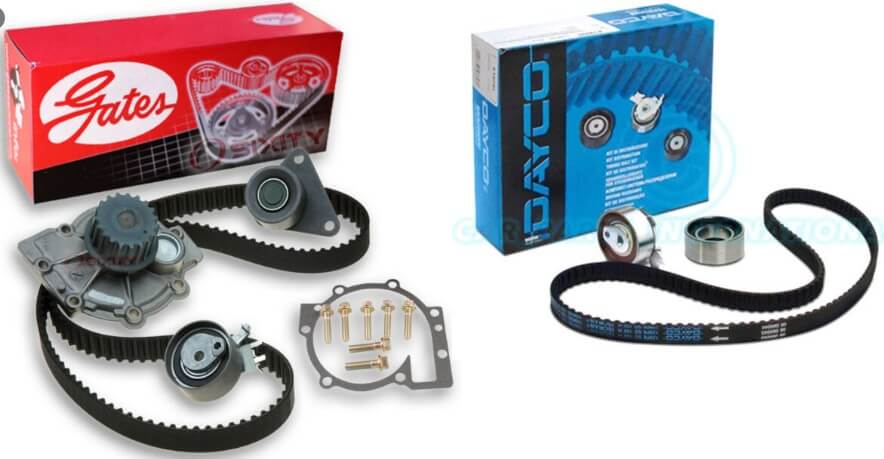
Alright folks, let's talk about drive belts. That serpentine belt snaking around your engine is a critical component, powering everything from your alternator and power steering to your air conditioning compressor. When it fails, you'll know it – think sudden loss of power steering, a dead battery, or a sweltering car on a hot day. So, choosing a good replacement belt is essential. Two names often come up: Dayco and Gates. Both are reputable brands, but which one is the right choice for your vehicle and your needs?
The Problem: A Worn or Broken Drive Belt
Before we dive into the Dayco vs. Gates debate, let's clearly define the problem. Drive belts, made from rubber and reinforced with fibers, degrade over time due to heat, friction, and exposure to the elements. Here are the typical symptoms of a failing drive belt:
- Squealing or Chirping Noise: This is the most common symptom. It usually occurs on startup or when you put a load on the engine (like turning the steering wheel at low speeds). This indicates the belt is slipping.
- Cracks and Fraying: Visually inspect your belt. If you see cracks, especially along the ribs, or if the edges are frayed, it's time for a replacement.
- Missing Chunks: Large pieces missing from the belt are a sign of imminent failure. Do not drive your car in this condition!
- Loss of Power Steering: A sudden loss of power steering, especially at low speeds, can indicate a broken or slipping power steering pump belt (or a serpentine belt driving the pump).
- Alternator Not Charging: If your alternator belt fails, your battery won't charge, and you'll eventually be stranded. Watch for the battery warning light on your dashboard.
- Overheating: In some vehicles, the water pump is driven by the serpentine belt. If this belt fails, the water pump stops circulating coolant, leading to overheating.
Tools Needed for Drive Belt Replacement
If you're a DIY enthusiast and plan to replace the belt yourself, you'll generally need the following tools:
- Wrench Set: Metric or SAE, depending on your vehicle.
- Socket Set: Again, metric or SAE.
- Serpentine Belt Tool (Optional but Recommended): This tool makes it much easier to release the tension on the belt tensioner.
- Screwdrivers: Flathead and Phillips head.
- Gloves: To protect your hands.
- Safety Glasses: Always wear safety glasses when working on your car.
- Diagram of Belt Routing: Crucial! Take a picture of the belt routing before you remove the old belt, or consult your vehicle's repair manual. You can often find belt routing diagrams online as well.
Approximate Repair Costs
If you're not comfortable replacing the belt yourself, a mechanic can do it for you. The cost will vary depending on your vehicle and the shop's labor rates. Here's a rough estimate:
- Labor: $75 - $200
- Belt: $20 - $80 (depending on brand and vehicle)
- Total: $95 - $280
Keep in mind that this is just an estimate. It's always best to get a quote from a reputable mechanic before having the work done.
The Solution: Choosing the Right Replacement Belt
Now, let's get to the heart of the matter: Dayco vs. Gates. Both companies have been manufacturing drive belts for decades and are known for producing quality products. Here's a breakdown of each brand:
Dayco:
Dayco offers a wide range of drive belts, from standard replacement belts to high-performance options. They are known for their:
- OE Quality: Dayco is an original equipment manufacturer (OEM) for many car brands, meaning their belts meet or exceed the original manufacturer's specifications.
- Wide Application Coverage: Dayco belts are available for a vast range of vehicles, both domestic and import.
- Advanced Belt Designs: Dayco uses advanced materials and designs in their belts to improve durability and performance, such as their "W" profile belts, which are designed to run cooler and quieter.
- Value: Dayco often offers a competitive price point, making them a good option for budget-conscious consumers who still want quality.
Consider Dayco if: You're looking for a reliable, OE-quality replacement belt at a good price. You drive a common vehicle and need a readily available belt.
Gates:
Gates is another leading manufacturer of drive belts, also known for their quality and durability. Key features of Gates belts include:
- Innovation: Gates is known for its innovative belt designs and materials. They were pioneers in developing EPDM (ethylene propylene diene monomer) belts, which are more resistant to heat, cracking, and wear than traditional neoprene belts.
- High Performance: Gates offers a range of high-performance belts designed for demanding applications, such as racing and off-roading.
- Durability: Gates belts are known for their long lifespan, thanks to their high-quality materials and construction.
- Comprehensive Product Line: Gates offers a wide range of belts, hoses, and other automotive parts, making them a one-stop shop for many repair needs.
Consider Gates if: You're looking for a high-performance belt that will last a long time. You drive a vehicle that's prone to belt wear, or you want the added peace of mind of a premium belt.
Dayco vs. Gates: A Head-to-Head Comparison
Let's break down the key differences between Dayco and Gates belts:
- Material: Both Dayco and Gates use high-quality materials in their belts. Gates tends to emphasize their EPDM belts, which are known for superior heat resistance. Dayco also uses advanced materials, including EPDM in many of their belts, and often uses proprietary compounds. Edge: Gates, slightly, for their emphasis on EPDM technology.
- Durability: Both brands offer durable belts. However, Gates is often perceived as being slightly more durable, especially their premium belts. Edge: Gates, slightly.
- Performance: Both brands offer excellent performance. For standard replacement belts, the difference in performance is often negligible. However, Gates offers a wider range of high-performance belts for specialized applications. Edge: Gates, for high-performance applications.
- Price: Dayco belts are often more affordable than Gates belts. Edge: Dayco.
- Availability: Both Dayco and Gates belts are widely available at auto parts stores and online retailers. Edge: Tie.
Making the Right Choice: Practical Tips
So, which belt should you choose? Here are some practical tips to help you make the right decision:
- Consider Your Budget: If you're on a tight budget, Dayco is a great option. You'll get a quality belt at a reasonable price.
- Think About Your Driving Conditions: If you drive in extreme heat or put a lot of stress on your engine, a Gates belt might be a better choice.
- Read Reviews: Check online reviews to see what other drivers have to say about Dayco and Gates belts for your specific vehicle.
- Consult Your Mechanic: Your mechanic can provide valuable advice based on their experience with different brands and vehicles.
- Check the Warranty: Compare the warranties offered by Dayco and Gates. A longer warranty can provide peace of mind.
- Look for Specific Features: Consider features like EPDM construction for heat resistance or specialized rib designs for quieter operation.
Important: Always check the belt routing diagram before removing the old belt. Taking a picture with your phone is a great way to ensure you reinstall the new belt correctly. Also, make sure the belt is properly tensioned. Too loose, and it will slip; too tight, and it can damage the bearings in your accessories.
Conclusion: Both are Great Choices, But...
In conclusion, both Dayco and Gates offer excellent drive belts. For most drivers, a Dayco belt will provide reliable performance at a good price. However, if you're looking for the ultimate in durability and performance, or if you drive in demanding conditions, a Gates belt might be worth the extra investment. Ultimately, the best choice depends on your individual needs and preferences.
Remember to always prioritize safety when working on your car. If you're not comfortable replacing the drive belt yourself, it's best to take it to a qualified mechanic. A properly functioning drive belt is essential for the safe and reliable operation of your vehicle.