
Difference Between 180sx And 240sx
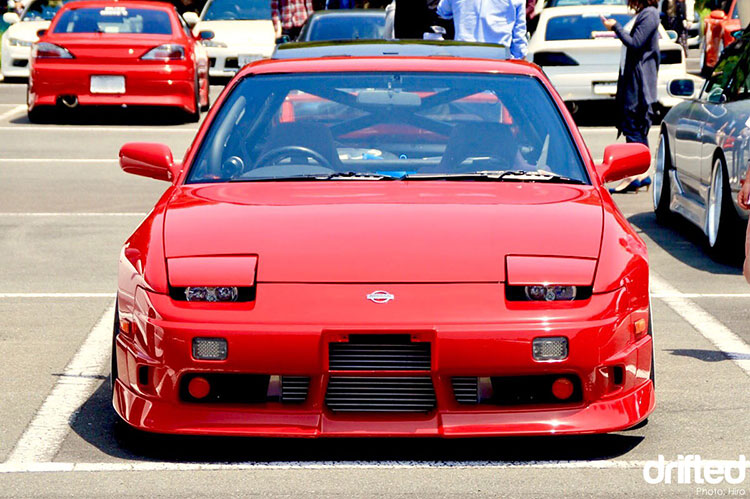
For those immersed in the world of Japanese sports cars, the Nissan 180SX and 240SX are legendary. While visually similar, especially to the untrained eye, crucial differences exist, particularly under the hood. These differences directly impact maintenance, troubleshooting, and the types of real-world issues you'll encounter. This article delves into these nuances, providing practical advice for both car owners and mechanics.
Engine and Drivetrain: The Heart of the Matter
The most significant difference lies in the engine. The 240SX, primarily sold in the North American market, typically featured the KA24E (single overhead cam) or KA24DE (dual overhead cam) four-cylinder engine. Conversely, the 180SX, primarily sold in Japan, boasted the CA18DET or the later and more desirable SR20DET turbocharged four-cylinder engine.
KA24E/DE (240SX) – Common Issues and Solutions
The KA24 series is known for its reliability, but it's not without its problems:
Problem: Overheating
Symptoms: Rising temperature gauge, coolant leaks, steam from the engine bay.
Causes: Radiator leaks, faulty thermostat, water pump failure, blown head gasket.
Solutions: Pressure test the cooling system to identify leaks. Replace the thermostat or water pump if necessary. If a blown head gasket is suspected, perform a compression test and leak-down test for confirmation. A common upgrade is an aluminum radiator for better cooling, especially if the car is tracked or driven hard. Think of this like a similar issue with the Honda Civic's D-series engine – preventative cooling system maintenance is key.
Problem: Distributor Issues (KA24E)
Symptoms: Rough idle, misfires, difficulty starting.
Causes: Worn distributor cap and rotor, faulty ignition module, oil leaks into the distributor.
Solutions: Replace the distributor cap and rotor regularly. Check for oil leaks from the valve cover or distributor O-ring, and address them promptly. Consider replacing the entire distributor if the ignition module is failing.
Problem: Timing Chain Noise (KA24DE)
Symptoms: Rattling noise, especially on startup.
Causes: Worn timing chain tensioner, stretched timing chain.
Solutions: Replace the timing chain and tensioner. This is a more involved repair, but crucial for engine longevity. Similar to the timing chain issues sometimes found on Toyota's 22R engine, early detection and repair can prevent catastrophic engine failure.
CA18DET/SR20DET (180SX) – Turbocharged Troubles and Triumphs
The turbocharged engines in the 180SX offer significantly more performance potential, but they also introduce a new set of challenges:
Problem: Turbocharger Failure
Symptoms: Whining or screeching noise from the turbo, loss of power, excessive smoke from the exhaust.
Causes: Oil starvation, worn bearings, damaged turbine or compressor wheels.
Solutions: Ensure proper oil pressure and regular oil changes. Inspect the turbocharger for signs of wear or damage. Rebuild or replace the turbocharger as needed. Upgrading to a larger, more robust turbocharger is a common modification, but requires supporting modifications such as larger injectors and a retuned ECU.
Problem: Boost Leaks
Symptoms: Loss of power, poor fuel economy, hissing sound under acceleration.
Causes: Cracked or loose intercooler piping, faulty blow-off valve, leaks in the intake manifold gasket.
Solutions: Pressure test the intake system to identify leaks. Replace any damaged hoses or piping. Check the blow-off valve for proper operation. Tighten or replace the intake manifold gasket. This is similar to diagnosing boost leaks on a Subaru WRX; a careful and systematic approach is necessary.
Problem: Valve Stem Seal Failure
Symptoms: Blue smoke from the exhaust, especially on startup or after deceleration.
Causes: Worn valve stem seals.
Solutions: Replace the valve stem seals. This requires removing the cylinder head, so it's often done in conjunction with other maintenance such as valve lapping or head gasket replacement.
Suspension and Chassis: Common Ground, but Different Needs
While both the 180SX and 240SX share a similar chassis design, the different engines and target markets led to variations in suspension components. The 180SX often had slightly stiffer springs and dampers, reflecting its sporty intentions. Both platforms are ripe for modification, leading to a wide range of aftermarket suspension options.
Problem: Worn Suspension Bushings
Symptoms: Clunking noises from the suspension, poor handling, excessive tire wear.
Causes: Deteriorated rubber bushings.
Solutions: Replace worn bushings with polyurethane bushings for improved durability and performance. This is a common issue on both the 180SX and 240SX due to their age. Consider upgrading to adjustable suspension arms to fine-tune the alignment and handling.
Problem: Steering Rack Leaks
Symptoms: Power steering fluid leaks, stiff steering, whining noise from the power steering pump.
Causes: Worn seals in the steering rack.
Solutions: Replace the steering rack or rebuild it with new seals. Inspect the power steering lines for leaks and replace them as needed. Maintaining the power steering fluid is also important for extending the life of the rack.
Electrical Systems: Shared Wiring Woes
Electrical issues are common in older cars, and the 180SX and 240SX are no exception. Wiring harnesses can become brittle, connectors can corrode, and sensors can fail.
Problem: Corroded Wiring Harnesses
Symptoms: Intermittent electrical problems, such as lights not working, sensors malfunctioning, or the engine not starting.
Causes: Moisture and corrosion in the wiring harnesses.
Solutions: Inspect the wiring harnesses for signs of corrosion. Clean corroded connectors with electrical contact cleaner. Repair or replace damaged wires. Properly grounding components is crucial to prevent future electrical issues.
Problem: Faulty Sensors
Symptoms: Check engine light illumination, poor engine performance, incorrect gauge readings.
Causes: Failed oxygen sensors, mass airflow sensors, crankshaft position sensors, etc.
Solutions: Use an OBD-II scanner (if applicable to the specific model year) to identify the fault code. Test the sensor with a multimeter to verify its operation. Replace the sensor if necessary.
Body and Interior: Rust and Wear
Rust is a common enemy of both the 180SX and 240SX, particularly in areas with harsh winters. Interior components can also wear out over time.
Problem: Rust
Symptoms: Visible rust on the body panels, undercarriage, and suspension components.
Causes: Exposure to moisture and salt.
Solutions: Repair or replace rusted panels. Apply rust preventative coatings to the undercarriage. Regularly wash and wax the car to protect the paint. Addressing rust early can prevent it from spreading and causing more serious damage.
Problem: Cracked Dashboard
Symptoms: Cracks in the dashboard, particularly in areas exposed to sunlight.
Causes: UV damage and heat.
Solutions: Use a dashboard cover to protect it from sunlight. Repair cracked areas with a vinyl repair kit. Consider replacing the entire dashboard if the damage is severe.
Swaps and Modifications: A Word of Caution
Engine swaps, particularly swapping an SR20DET into a 240SX, are incredibly common. However, it's crucial to do these swaps correctly. Ensure that all necessary supporting modifications are made, including wiring harness adaptations, fuel system upgrades, and cooling system improvements. Improperly executed swaps can lead to reliability issues and decreased performance.
When it comes to performance modifications, remember that reliability is key. Don't chase horsepower numbers at the expense of engine longevity. Regular maintenance and proper tuning are essential for keeping a modified engine running smoothly.
Keeping Your 180SX/240SX in Top Condition
Regardless of whether you own a 180SX or a 240SX, regular maintenance is crucial for keeping it in top condition. This includes:
- Regular oil changes (every 3,000-5,000 miles)
- Coolant flushes (every 2 years)
- Brake fluid flushes (every 2 years)
- Spark plug replacement (every 30,000 miles)
- Air filter replacement (every 12,000 miles)
- Regularly inspecting hoses and belts for wear
By understanding the specific challenges and maintenance needs of the 180SX and 240SX, owners and mechanics can keep these iconic sports cars on the road for years to come. Knowledge is power when it comes to maintaining and troubleshooting these vehicles. Remember that preventative maintenance will save you time and money in the long run. Always use quality parts and consult reputable sources for information and advice.