
Difference Between 350z And 370z
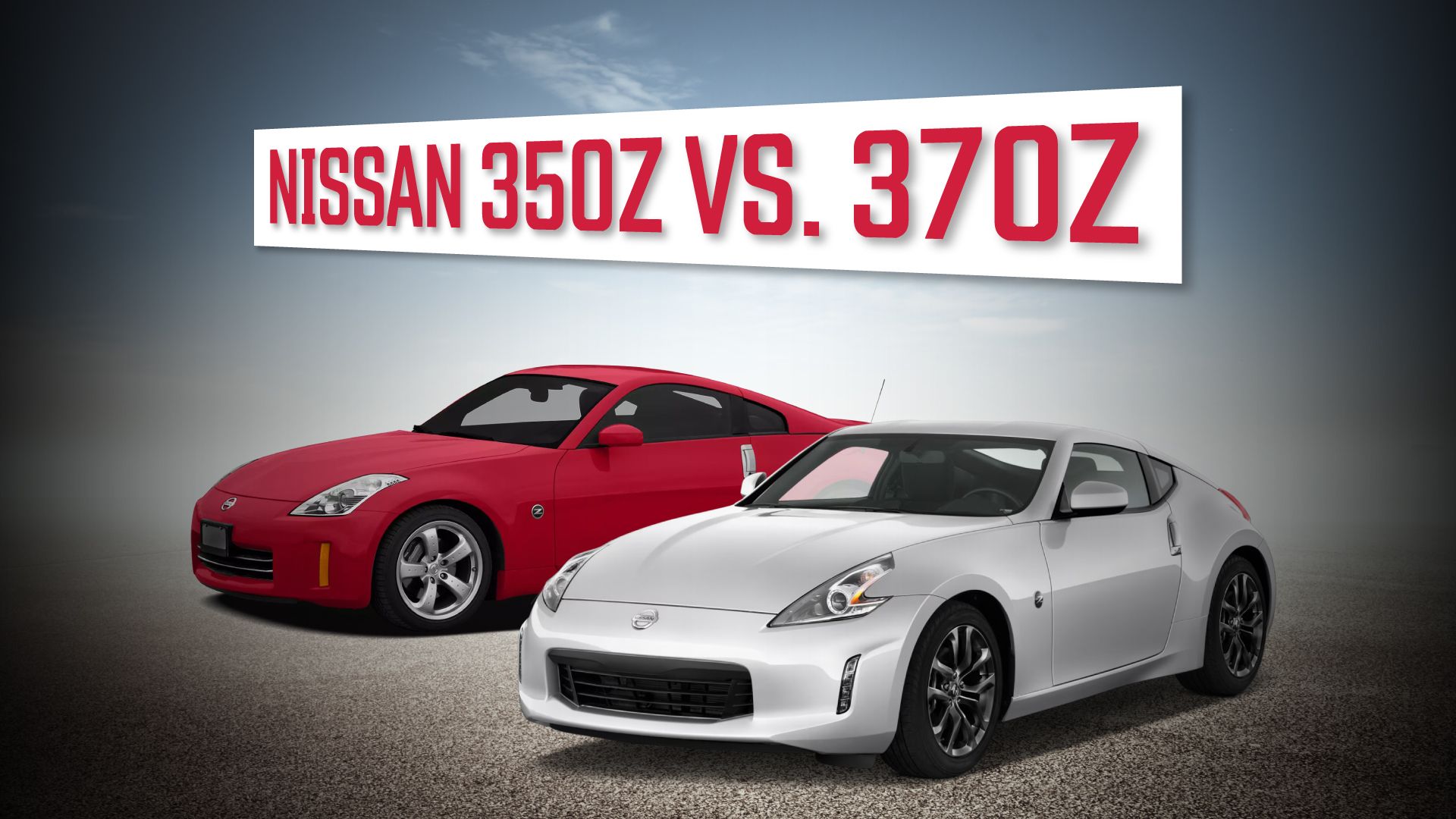
The Nissan Z cars have held a special place in automotive history, representing attainable sports car performance for decades. The 350Z and 370Z, specifically, marked a crucial period for Nissan, bridging the gap between classic Z cars and the modern era. Understanding the differences between these two models is vital for automotive professionals dealing with maintenance, repairs, performance modifications, or even sales.
Technical Specifications and Engineering Choices
The most significant difference lies under the hood. The 350Z (produced from 2003-2008) initially featured the 3.5-liter VQ35DE V6 engine, producing around 287 horsepower in its early iterations. Later models, particularly those from 2007 and 2008, received the VQ35HR, a significantly revised version that boosted power to 306 hp. This engine update is critical to note, as the HR version offers improved throttle response, higher rev limits, and enhanced reliability compared to the earlier DE versions.
The 370Z (produced from 2009 onward) moved to the 3.7-liter VQ37VHR V6, generating 332 hp (350 hp in the Nismo variant). This engine boasted Variable Valve Event and Lift (VVEL) technology, allowing for more precise control over intake valve timing and lift, resulting in improved efficiency and a broader powerband. The 370Z also introduced a revised exhaust system further enhancing the performance.
Beyond the engine, significant changes occurred in the chassis and suspension. The 370Z featured a shorter wheelbase compared to the 350Z (100.4 inches vs. 104.3 inches). This reduction contributed to a more agile and responsive handling experience. The 370Z also benefited from revised suspension geometry and improved chassis rigidity. The rear suspension was redesigned, helping to mitigate wheel hop under hard acceleration, a common complaint with some 350Z models.
Transmission options for both models included a 6-speed manual and a 5-speed automatic in the 350Z, upgraded to a 7-speed automatic in the 370Z. The 370Z's manual transmission also featured a world's first synchronized downshift rev-matching system, "SynchroRev Match," which automatically blips the throttle during downshifts for smoother gear changes – a feature praised by enthusiasts but sometimes criticized for masking driver skill.
Body design saw notable changes as well. The 370Z featured a more compact and aggressive design with shorter overhangs. It also featured redesigned headlights and taillights, creating a distinct visual identity. The 370Z also made use of aluminum for the doors, hood, and hatch to save weight.
Real-World Performance and Comparison with Alternatives
In terms of acceleration, the 370Z generally outperformed the 350Z due to its higher horsepower and improved power delivery. Zero-to-sixty times for the 370Z typically fall in the low 5-second range, while the 350Z ranges from mid-5 to low 6 seconds, depending on the engine and transmission. Handling is also noticeably sharper in the 370Z, thanks to its shorter wheelbase and revised suspension.
Alternatives to the 350Z and 370Z in their respective production years included the Mazda RX-8, Honda S2000, BMW Z4, and Ford Mustang. The RX-8 offered unique rotary power but suffered from reliability concerns. The S2000 was renowned for its high-revving engine and precise handling, but lacked low-end torque. The Z4 provided a more luxurious experience, but often at a higher price point. The Mustang offered more raw power, but generally lacked the refinement of the Z cars.
350Z Pros: Affordable, readily available aftermarket parts, simpler mechanics, larger aftermarket support.
350Z Cons: Can be prone to oil consumption (especially early DE models), heavier than the 370Z, less refined interior, wheel hop issues on some models.
370Z Pros: More powerful engine, improved handling, rev-matching technology (manual transmission), more modern interior.
370Z Cons: Can be more expensive than a comparable 350Z, tighter interior space, more complex electronics, potential for gallery gasket failure on early models.
Reliability Aspects and Maintenance Tips
Both the 350Z and 370Z are generally reliable vehicles, but specific issues can arise. As mentioned earlier, the early VQ35DE engines in the 350Z can be prone to oil consumption, so regular oil level checks are crucial. The VQ35HR engine addressed many of these issues. The 370Z, while generally reliable, can experience gallery gasket failure, which can lead to oil pressure issues. It's important to check for any signs of low oil pressure or unusual engine noise.
Regular maintenance is key to keeping both cars running smoothly. This includes frequent oil changes with high-quality synthetic oil, replacing spark plugs at the recommended intervals, and inspecting the cooling system for leaks. The 370Z's VVEL system also requires careful attention to ensure proper operation. Brake maintenance is essential, especially for performance-oriented driving.
Here are some additional maintenance tips:
- 350Z: Check the condition of the valve cover gaskets, as leaks are common. Inspect the rear differential for leaks, especially if the car has been tracked.
- 370Z: Monitor the clutch slave cylinder, as failures can occur. Regularly inspect the brake lines for corrosion, especially in regions with harsh winters.
Future Trends and Forward-Looking Note
The future for the Z car is bright, with the introduction of the new Nissan Z (often referred to as the 400Z). This model represents a significant step forward in terms of performance and technology, while still paying homage to the Z's heritage. The new Z features a twin-turbocharged V6 engine, producing significantly more power than either the 350Z or 370Z.
Looking ahead, the automotive industry is rapidly evolving, with electric vehicles (EVs) and autonomous driving technologies becoming increasingly prevalent. While the Z car has traditionally been a gasoline-powered sports car, there's a possibility that future iterations could incorporate hybrid or even fully electric powertrains. This would allow the Z to maintain its performance credentials while reducing its environmental impact.
The demand for affordable, fun-to-drive sports cars is likely to remain strong, even as the industry shifts towards electrification. The Z car, with its rich history and proven performance, is well-positioned to continue to be a relevant and desirable option for enthusiasts for many years to come.
The Z car's legacy, built upon models like the 350Z and 370Z, serves as a valuable lesson for the automotive industry: prioritize driver engagement, offer attainable performance, and never forget the joy of driving. As technology advances, it's crucial to maintain these core principles to ensure that the automotive experience remains enjoyable and fulfilling.