
Difference Between Car Polish And Car Wax
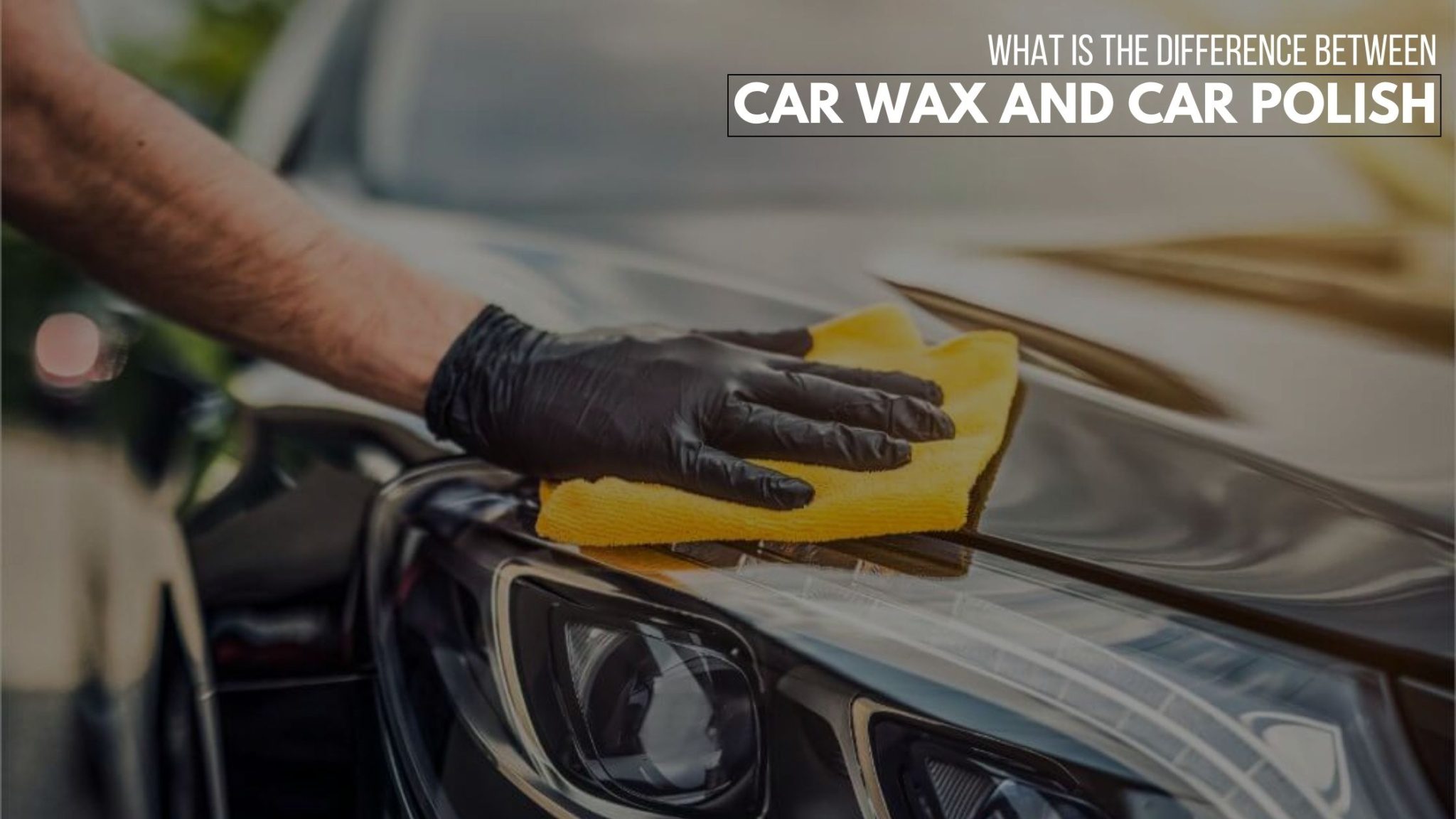
For the automotive enthusiast, maintaining a vehicle's appearance is more than just vanity; it's a testament to care and attention to detail. A crucial part of this process involves understanding the nuances of car care products, particularly the difference between car polish and car wax. While often used interchangeably, these products serve distinct purposes and operate through different mechanisms. This guide delves into the technical aspects of each, clarifying their roles in achieving a flawless finish.
Understanding Car Polish
Car polish is, fundamentally, an abrasive compound designed to remove imperfections from a vehicle's clear coat. The clear coat is the outermost layer of paint, providing gloss and protection to the underlying color coat. Over time, this layer accumulates scratches, swirl marks, oxidation, and other contaminants that dull the paint's appearance. Polish works by leveling these imperfections.
The Science of Abrasion
The abrasive nature of car polish stems from its composition, which typically includes tiny particles of materials like aluminum oxide or diatomaceous earth. These particles are suspended in a carrier liquid (often water or a solvent) and vary in size and aggressiveness depending on the type of polish.
The polishing process essentially involves using these abrasive particles to gently "sand" down the clear coat. As the polish is applied and buffed, the particles remove a microscopic layer of the clear coat, effectively smoothing out the surface and eliminating the aforementioned imperfections. The degree of abrasion is crucial; too aggressive a polish can remove too much clear coat, while too mild a polish may be ineffective against deeper scratches.
There are several types of car polish, categorized by their abrasive power:
- Cutting compounds: These are the most aggressive polishes, designed to remove significant imperfections like deep scratches or heavy oxidation. They contain the largest and most abrasive particles.
- Polishes: These offer a medium level of abrasion, suitable for removing swirl marks, light scratches, and moderate oxidation. They are generally considered a good all-around polish.
- Finishing polishes: These are the least abrasive, intended to refine the paint after using a more aggressive polish. They remove minor imperfections and enhance gloss, preparing the surface for wax or sealant application.
It's important to note that polishing removes a very thin layer of clear coat. Repeated or overly aggressive polishing can eventually compromise the integrity of the clear coat, leading to premature paint failure. Therefore, polishing should be performed judiciously and only when necessary.
Dissecting Car Wax
Unlike polish, car wax is not an abrasive product. Instead, it is a protective coating applied to the paint surface to enhance gloss, provide water repellency, and shield the paint from environmental contaminants. Think of it as a sacrificial layer that sits on top of the clear coat, rather than altering it.
The Composition of Protection
Car wax typically consists of natural or synthetic waxes dissolved in a solvent. The most common types of wax include:
- Carnauba wax: Extracted from the leaves of the Brazilian carnauba palm, this is a natural wax known for its exceptional gloss and hardness. It provides a deep, warm shine and excellent water beading. However, it tends to be less durable than synthetic waxes.
- Synthetic waxes (sealants): These are man-made polymers that offer superior durability, UV protection, and chemical resistance compared to carnauba wax. They can also provide a very glossy, reflective finish.
- Hybrid waxes: These combine carnauba wax with synthetic polymers to offer a balance of gloss, protection, and durability.
Wax works by forming a thin, hydrophobic layer on the paint surface. This layer repels water, preventing it from beading up and potentially causing water spots. It also acts as a barrier against UV rays, which can fade and damage the paint over time. Furthermore, it protects the paint from contaminants like bird droppings, tree sap, and road grime, making them easier to remove during washing.
Application and Longevity
Wax is typically applied in a thin, even layer and then buffed off to reveal a glossy shine. The longevity of the wax depends on the type of wax used, the environmental conditions, and the frequency of washing. Carnauba wax typically lasts for a few weeks to a couple of months, while synthetic waxes can last for several months or even a year with proper care.
Wax does not correct paint imperfections. If the paint has scratches or swirl marks, they will still be visible after waxing. In fact, applying wax to a poorly prepared surface can sometimes accentuate these imperfections.
Polish vs. Wax: A Comparative Analysis
The key difference between polish and wax lies in their function and mechanism. Polish is an abrasive product that corrects paint imperfections by removing a thin layer of the clear coat. Wax is a protective coating that enhances gloss and shields the paint from environmental contaminants without altering the underlying clear coat.
Here's a table summarizing the key differences:
Feature Car Polish Car Wax Function Corrects paint imperfections (scratches, swirl marks, oxidation) Protects paint, enhances gloss, provides water repellency Mechanism Abrasive action removes a thin layer of clear coat Forms a protective layer on top of the clear coat Composition Abrasive particles (e.g., aluminum oxide) in a carrier liquid Natural or synthetic waxes dissolved in a solvent Durability N/A (permanent correction, but clear coat is thinned) Weeks to months (depending on wax type and environmental conditions) Application Applied and buffed using a polishing pad or machine Applied in a thin layer and buffed off
The ideal car care regimen involves both polishing and waxing (or sealing). Polishing should be performed first to correct any paint imperfections. This creates a smooth, clean surface for the wax to adhere to. After polishing, wax should be applied to protect the newly corrected paint and enhance its gloss.
The Correct Order of Operations
To achieve optimal results, follow this sequence:
- Wash: Thoroughly wash the vehicle to remove all dirt and debris.
- Clay Bar (Optional): Use a clay bar to remove embedded contaminants from the paint surface.
- Polish: Apply polish to correct paint imperfections. Start with a less aggressive polish and gradually increase the aggressiveness if necessary.
- Wax/Sealant: Apply wax or sealant to protect the polished paint and enhance gloss.
Understanding the difference between car polish and car wax is crucial for achieving a professional-looking finish. By using these products correctly and in the proper sequence, you can maintain the beauty and longevity of your vehicle's paint for years to come.