
Difference Between S And Sv Nissan
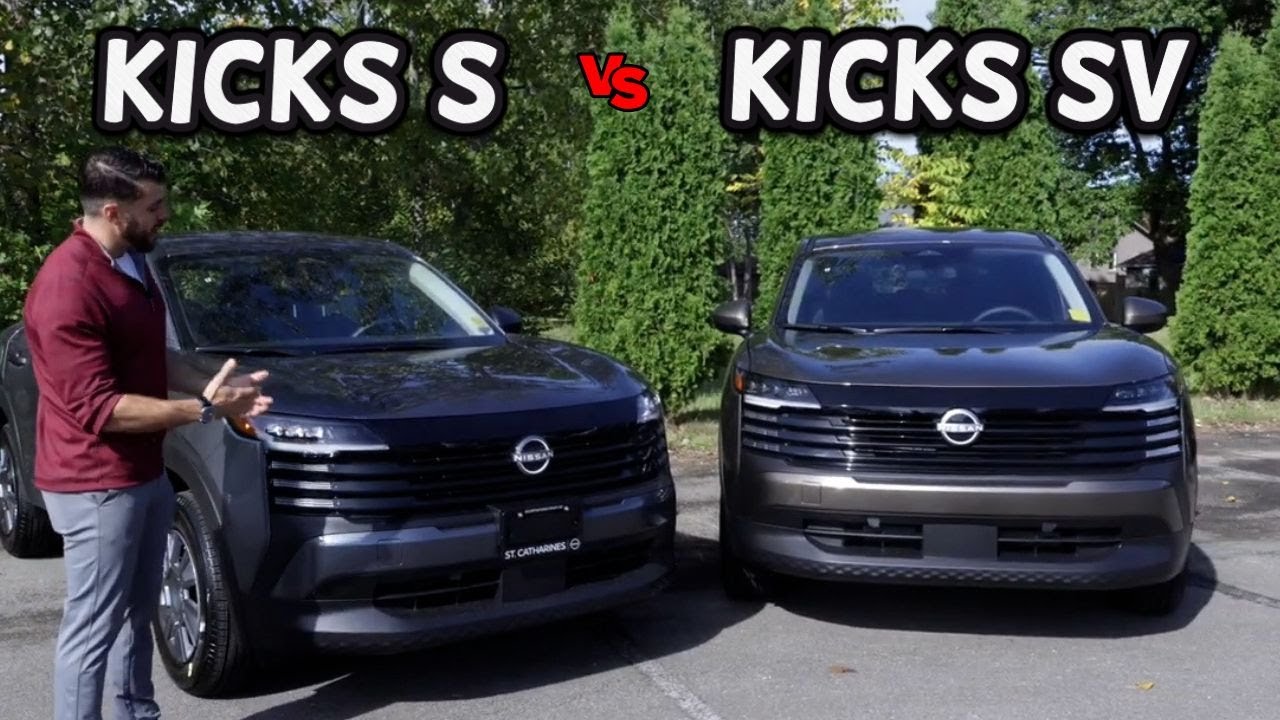
Delving into the specifics of automotive trim levels can often feel like navigating a maze of marketing jargon and incremental feature additions. When it comes to Nissan, understanding the difference between the 'S' and 'SV' trims can significantly impact your purchasing decision. While both offer a solid foundation of Nissan engineering, the SV trim invariably adds a layer of comfort, convenience, and technology that can make a noticeable difference in the overall ownership experience. This guide aims to dissect these differences in detail, providing a clear understanding of the enhancements you get by opting for the SV.
Powertrain and Mechanical Similarities
Before diving into the specifics of feature variations, it's crucial to acknowledge the shared foundation. In most Nissan models, the S and SV trims will feature the same engine, transmission, and drivetrain configurations. This means the core performance characteristics – horsepower, torque, fuel economy, and overall driving dynamics – are generally consistent between the two trims. For example, if we consider a hypothetical Nissan sedan, both the S and SV will likely utilize the same 2.5-liter inline-four engine and continuously variable transmission (CVT). The suspension setup, braking system, and steering mechanism will also remain largely unchanged. Therefore, your decision shouldn't be driven by a desire for more power or altered mechanical components.
Exterior Distinctions
While the mechanical underpinnings might be identical, the exterior of an SV trim often receives subtle yet noticeable upgrades. These enhancements are typically designed to improve the vehicle's aesthetics and perceived value. Common differences include:
- Wheels: The SV trim frequently features alloy wheels instead of the steel wheels with wheel covers found on the S trim. Alloy wheels are not only more visually appealing but also often lighter, potentially contributing to a slight improvement in handling and fuel efficiency (though this difference is often marginal). The wheel size might also be slightly larger on the SV.
- Exterior Trim: Chrome accents around the windows, door handles, and grille are common on the SV trim, adding a touch of sophistication. The S trim typically uses body-colored or black plastic trim in these areas.
- Mirrors: Heated side mirrors are a frequent addition on the SV trim, providing improved visibility in cold weather. They often include integrated turn signal indicators as well. The base S trim might only offer manually adjustable or basic power-adjustable mirrors without these features.
- Automatic Headlights: Many SV trims come standard with automatic headlights that activate based on ambient light, a convenience feature not always present on the S trim.
These exterior upgrades, while seemingly minor individually, contribute to a more refined and upscale appearance for the SV trim.
Interior Enhancements: Where the SV Shines
The most significant differences between the S and SV trims are usually found inside the cabin. The SV trim typically offers a more comfortable, technologically advanced, and user-friendly environment. Key interior upgrades often include:
- Infotainment System: The SV trim almost always boasts a larger touchscreen display for the infotainment system compared to the S trim. This larger screen often comes with enhanced features such as Apple CarPlay and Android Auto integration, allowing seamless connectivity with smartphones. The base S trim might have a smaller screen or even rely solely on a basic radio system.
- Upholstery: Fabric upholstery is common on both trims, but the SV often uses a higher-quality fabric or offers optional leatherette upholstery (Nissan's version of synthetic leather). The S trim typically uses a more basic cloth material.
- Climate Control: While the S trim usually has manual air conditioning, the SV trim often upgrades to dual-zone automatic climate control. This allows the driver and front passenger to independently adjust their preferred temperature settings.
- Keyless Entry and Ignition: Keyless entry with push-button start is a very common upgrade on the SV. This allows you to unlock and start the vehicle without physically using the key. The S trim usually requires the use of a traditional key for both entry and ignition.
- Driver Assistance Features: The SV trim commonly adds driver-assistance technologies such as blind-spot monitoring, rear cross-traffic alert, and adaptive cruise control. These features enhance safety and convenience, making the driving experience less stressful. The S trim might only offer basic safety features like a rearview camera and automatic emergency braking.
- Seating Adjustments: Power-adjustable driver's seat is often present in SV models, providing more comfortable settings than manual adjusters found in S models. Lumbar support is also often upgraded in SV trims.
- Additional USB Ports: SV trims may include additional USB ports for charging devices, especially beneficial for passengers.
These interior enhancements collectively contribute to a more premium and comfortable driving experience in the SV trim. The upgraded infotainment system, enhanced comfort features, and added driver-assistance technologies can significantly improve the daily usability and enjoyment of the vehicle.
Safety Technology: A Growing Differentiation
In recent years, manufacturers like Nissan have increasingly differentiated their trim levels through the inclusion of advanced safety technologies. The SV trim is now frequently the point where more comprehensive safety suites become standard. This can include features such as:
- Blind Spot Monitoring (BSM): Alerts the driver to vehicles in their blind spots, significantly reducing the risk of lane-change accidents.
- Rear Cross-Traffic Alert (RCTA): Warns the driver of approaching vehicles when backing out of a parking space, a critical safety feature in crowded parking lots.
- Adaptive Cruise Control (ACC): Maintains a set distance from the vehicle ahead, automatically adjusting speed to maintain a safe following distance.
- Lane Departure Warning (LDW): Alerts the driver if the vehicle begins to drift out of its lane without signaling.
- Automatic Emergency Braking (AEB) with Pedestrian Detection: Automatically applies the brakes to mitigate or avoid collisions with vehicles or pedestrians. The SV trim might offer an enhanced version of AEB compared to the S trim.
While the S trim will typically include basic safety features such as airbags, anti-lock brakes, and a rearview camera, the SV trim's additional safety technologies offer a significantly higher level of protection and driver assistance.
Value Proposition: Is the SV Worth the Upgrade?
The decision of whether to upgrade from the S to the SV trim ultimately boils down to individual needs and priorities. The SV trim invariably carries a higher price tag than the S trim. However, the added features and enhancements often provide a compelling value proposition, especially for those who:
- Prioritize comfort and convenience: The upgraded interior features, such as automatic climate control, keyless entry, and a more advanced infotainment system, can significantly enhance the daily driving experience.
- Value safety: The additional safety technologies, such as blind-spot monitoring and rear cross-traffic alert, provide an extra layer of protection for the driver and passengers.
- Plan to keep the vehicle for a long time: The added features of the SV trim can make the vehicle more enjoyable and valuable over the long term.
- Desire a more refined appearance: The exterior enhancements, such as alloy wheels and chrome trim, contribute to a more upscale and sophisticated look.
However, if you are primarily concerned with affordability and only need a basic, reliable vehicle, the S trim might be sufficient. The S trim provides a solid foundation of Nissan engineering and offers essential features at a lower price point.
In conclusion, the difference between the S and SV Nissan trims is substantial, with the SV offering a significant upgrade in terms of comfort, convenience, technology, and safety. Carefully consider your individual needs and priorities to determine which trim level best suits your driving style and budget. Weighing the added cost against the benefits of the SV's enhancements will guide you towards the right choice for your particular circumstances. Always review the specific features of the model year you are considering, as equipment packages can vary.