
Do 02 Sensor Spacers Work
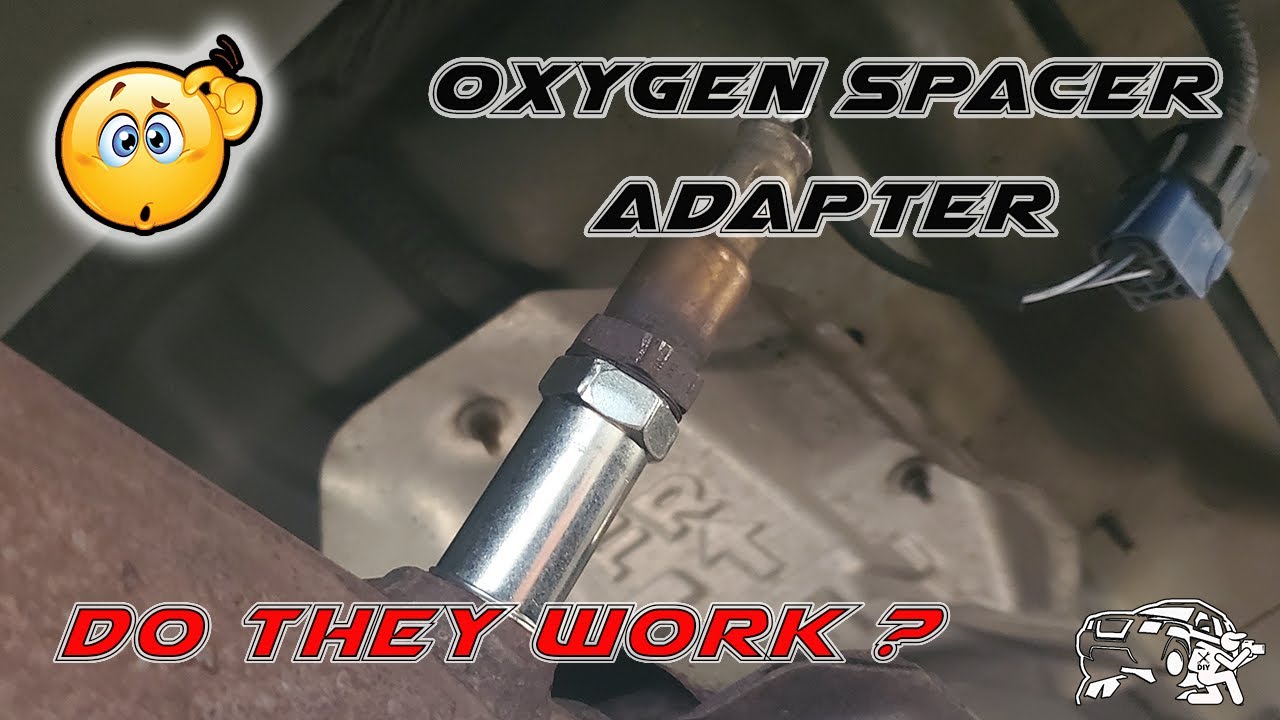
The ubiquitous Check Engine Light (CEL) is a common frustration for both car owners and automotive technicians. Often, the culprit behind this illuminated warning is a catalytic converter efficiency code, typically P0420 or P0430. This indicates that the downstream oxygen (O2) sensor, also known as the post-cat sensor, is detecting similar levels of pollutants as the upstream sensor, suggesting the catalytic converter is not performing its intended function. While a failing catalytic converter is a valid concern, these codes can also trigger erroneously due to factors like aftermarket exhaust modifications, engine modifications, or simply aging sensors. This has led to the widespread use of O2 sensor spacers, devices designed to manipulate the downstream sensor's readings. But do they actually work, and more importantly, are they a legitimate and reliable solution?
The Engineering Behind O2 Sensors and Catalytic Converters
To understand the effectiveness of O2 sensor spacers, it's crucial to grasp the fundamental workings of O2 sensors and catalytic converters.
O2 Sensors: These sensors are essentially mini chemical generators. They measure the amount of oxygen in the exhaust stream and generate a voltage proportional to this concentration. Upstream sensors, positioned before the catalytic converter, provide critical feedback to the Engine Control Unit (ECU) for fuel trim adjustments. These sensors are typically wideband or air-fuel ratio (AFR) sensors, allowing for precise control of the air-fuel mixture. Downstream sensors, located after the catalytic converter, primarily monitor the converter's efficiency. They should ideally register a significantly lower oxygen level, indicating that the converter has successfully oxidized hydrocarbons (HC), carbon monoxide (CO), and reduced oxides of nitrogen (NOx).
Catalytic Converters: These devices utilize a catalyst, typically platinum, palladium, and rhodium, to facilitate chemical reactions that convert harmful pollutants into less harmful substances. A properly functioning catalytic converter should drastically reduce the levels of HC, CO, and NOx in the exhaust stream. The ECU uses the downstream O2 sensor readings to verify this reduction. If the downstream sensor indicates levels similar to the upstream sensor, the ECU interprets this as a sign of converter inefficiency and triggers the P0420/P0430 code.
O2 Sensor Spacers: Functionality and Types
An O2 sensor spacer is a small device, typically made of metal, that physically moves the downstream O2 sensor further away from the exhaust stream. This creates a small pocket of air around the sensor, effectively diluting the exhaust gases reaching it. The reduced concentration of pollutants at the sensor results in a lower voltage reading, mimicking the output of a properly functioning catalytic converter.
Several types of O2 sensor spacers exist:
- Straight Spacers: These are the simplest type, merely extending the sensor further into the exhaust flow.
- Angled Spacers: These spacers bend the sensor, allowing for more clearance in tight spaces.
- Mini Catalytic Converter Spacers: These are the most sophisticated type, incorporating a small amount of catalytic material within the spacer. This material further reduces pollutants reaching the sensor, providing a more convincing "fake" reading.
Do They Work? Real-World Performance and Limitations
The effectiveness of O2 sensor spacers is highly variable and depends on several factors, including the vehicle, the cause of the CEL, and the type of spacer used.
In some cases, particularly when the CEL is triggered by minor exhaust modifications or slightly degraded sensors, a spacer *can* successfully suppress the code. The diluted exhaust reading fools the ECU into believing the catalytic converter is functioning within acceptable parameters.
However, spacers are not a universal solution. If the catalytic converter is truly failing, a spacer will only provide a temporary reprieve. The underlying problem persists, and eventually, the CEL will likely reappear. Furthermore, spacers can mask other potential issues, such as exhaust leaks or engine misfires, which can contribute to catalytic converter failure or trigger similar codes.
Technical Specifications and Considerations:
- Material: Spacers are typically made of stainless steel or aluminum. Stainless steel is preferred for its durability and resistance to corrosion.
- Thread Size: O2 sensor threads are typically M18x1.5. Ensure the spacer matches the vehicle's O2 sensor thread size.
- Length: The length of the spacer affects the degree of dilution. Experimentation may be required to find the optimal length for a specific vehicle.
- Mini-Cat Material: The effectiveness of mini-cat spacers depends on the type and amount of catalytic material used.
Alternatives to O2 Sensor Spacers
Before resorting to a spacer, consider these alternative solutions:
- Catalytic Converter Replacement: This is the most reliable solution if the catalytic converter is genuinely failing. Choose a high-quality replacement that meets or exceeds OEM specifications.
- O2 Sensor Replacement: A faulty O2 sensor can trigger erroneous codes. Replacing both upstream and downstream sensors can resolve the issue, especially on older vehicles.
- Exhaust Leak Repair: Exhaust leaks can disrupt the flow of exhaust gases and affect O2 sensor readings. Repairing leaks can often resolve the CEL.
- ECU Tuning: In some cases, the ECU's sensitivity to O2 sensor readings can be adjusted through tuning. However, this should only be performed by experienced professionals. This can also be illegal depending on local regulations.
Pros and Cons of O2 Sensor Spacers
Pros:
- Relatively inexpensive.
- Easy to install (typically).
- Can temporarily suppress the CEL.
Cons:
- Masks the underlying problem.
- May not work in all cases.
- Can lead to future emissions testing failures.
- Potentially illegal in some jurisdictions (tampering with emissions control devices).
- Could provide a false sense of security, delaying necessary repairs.
- Can affect fuel economy and engine performance in the long term if the root cause isn't addressed.
Reliability Aspects and Maintenance Tips
O2 sensor spacers themselves are generally reliable, as they are simple mechanical devices. However, the effectiveness of a spacer can degrade over time due to carbon buildup or corrosion. Regularly inspect the spacer and clean it if necessary.
It's crucial to remember that using a spacer does not absolve the vehicle owner of responsibility for maintaining the emissions system. Regular maintenance, including oil changes, spark plug replacements, and fuel injector cleaning, can help prolong the life of the catalytic converter and prevent future CEL issues. Additionally, a proper diagnostic procedure should always be performed before and after installing a spacer to ensure it's addressing the intended issue and not masking a more serious problem.
Future Trends in Emissions Control
The automotive industry is constantly evolving, with stricter emissions regulations and advancements in technology. Expect to see the following trends:
- More sophisticated O2 sensors: Future sensors may incorporate self-diagnostic capabilities and improved accuracy.
- Advanced catalytic converter designs: New materials and designs will improve converter efficiency and durability.
- Tighter ECU controls: ECUs will become more sophisticated in their ability to monitor and diagnose emissions system performance.
- Increased use of particulate filters: Gasoline particulate filters (GPFs) are becoming increasingly common to reduce particulate emissions from gasoline engines.
- Electrification: The increasing adoption of electric vehicles (EVs) will significantly reduce tailpipe emissions.
Conclusion: A Temporary Fix with Long-Term Implications
O2 sensor spacers can provide a temporary solution to a CEL triggered by a catalytic converter efficiency code. However, they are not a substitute for proper diagnosis and repair. Automotive professionals should always prioritize identifying and addressing the underlying cause of the problem, whether it's a failing catalytic converter, a faulty O2 sensor, or an exhaust leak. While a spacer might get a customer through an immediate situation, it's crucial to inform them of the potential long-term consequences and the ethical considerations surrounding emissions tampering.
As the automotive industry moves towards stricter emissions standards, relying on quick fixes like O2 sensor spacers becomes increasingly unsustainable. The future of automotive repair lies in accurate diagnostics, proper repairs, and a commitment to maintaining the integrity of the vehicle's emissions control system. The key is to move away from symptom management and toward genuine problem resolution.