
Do Bug Deflectors Actually Work
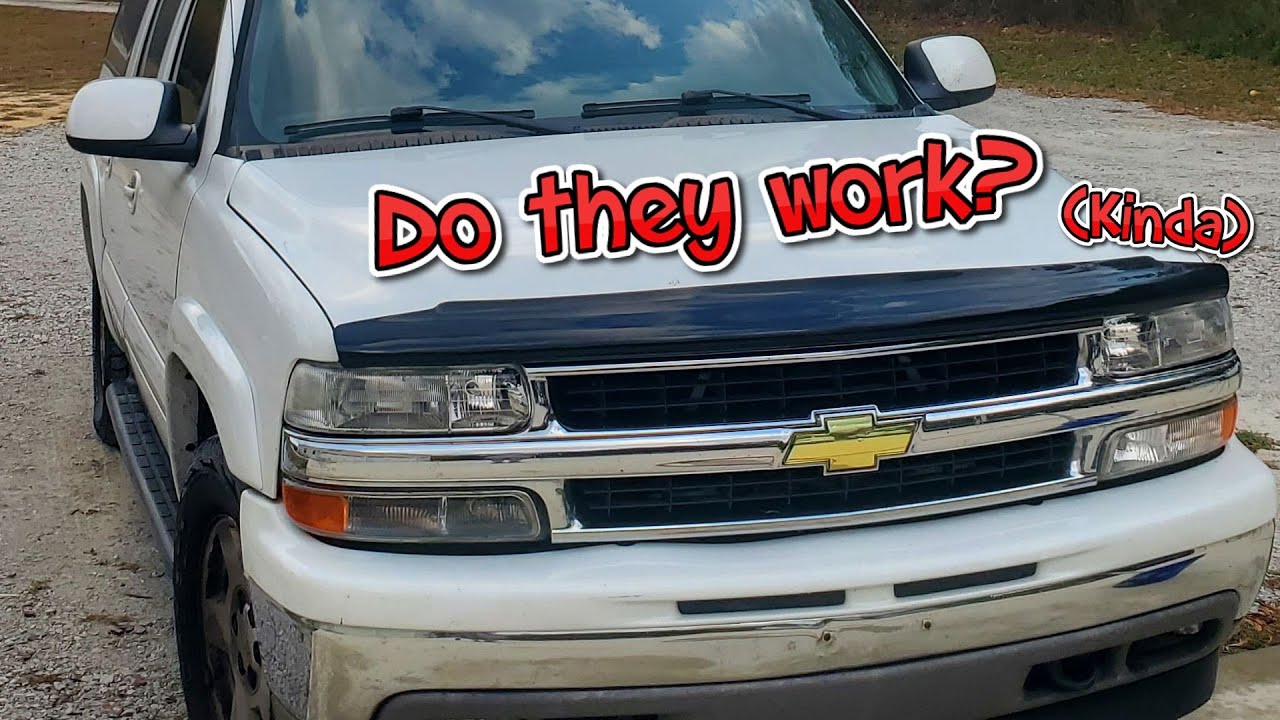
The open road, wind in your hair (or at least buffeting against your windshield), and the occasional *splat* of an unfortunate insect meeting its end against the front of your vehicle. It's a common scenario for any driver, especially during warmer months. This constant barrage has led to the popularity of bug deflectors, those often tinted, curved pieces of plastic that attach to the leading edge of your hood. But the question remains: do they *actually* work?
Understanding the Problem: Aerodynamics and Insect Trajectory
To determine the effectiveness of bug deflectors, we first need to understand the underlying physics at play. Cars, by their very nature, are designed to move through air. This movement creates a complex interaction between the vehicle's body and the surrounding airstream. The shape of the vehicle dictates how air flows around it. Most modern vehicles are designed with aerodynamics in mind, aiming to reduce drag and improve fuel efficiency. This often means directing airflow over and around the vehicle.
Insects, leaves, and other debris suspended in the air are also subject to aerodynamic forces. They are essentially "surfing" the air currents, and their trajectories are influenced by the pressure fields created by a moving vehicle. The area of highest pressure is generally at the very front of the vehicle, particularly the leading edge of the hood. This is where the air meets the solid surface and is forced to diverge. As a result, insects and other airborne particles tend to be drawn towards this area.
The problem is exacerbated by the relatively low speed of insects compared to the vehicle. An insect lazily flying along is easily caught in the rapidly changing airflow ahead of a car traveling at highway speeds. They simply don't have the velocity or maneuverability to avoid being swept into the vehicle's path.
How Bug Deflectors are Supposed to Work
The theory behind bug deflectors is relatively straightforward. They aim to alter the airflow around the front of the vehicle, creating an upward deflection of the airstream. This, in turn, is supposed to lift insects and other debris over the hood and windshield, preventing them from impacting the vehicle's surface. The design typically involves a raised lip or ridge along the leading edge of the deflector, which is intended to act as a miniature airfoil.
The effectiveness of a bug deflector hinges on several factors:
- Shape and Size: The curvature, height, and overall size of the deflector are crucial. A poorly designed deflector might actually increase turbulence and direct more debris towards the windshield.
- Angle of Attack: The angle at which the deflector is mounted relative to the hood affects the amount of lift generated.
- Vehicle Speed: Bug deflectors are generally more effective at higher speeds, where the aerodynamic forces are more pronounced.
- Type of Debris: Larger, heavier objects like leaves may not be as easily deflected as smaller insects.
The Reality: Testing and Empirical Evidence
While the concept of a bug deflector sounds promising, the real-world performance is often debated. There's a significant lack of rigorous, scientific testing to definitively prove their effectiveness across a wide range of vehicles and driving conditions. Much of the evidence is anecdotal, based on individual driver experiences.
However, we can analyze the principles involved and draw some conclusions:
- Limited Deflection Zone: Even if a bug deflector does create an upward airflow, this effect is typically limited to a relatively small zone directly above the hood. It's unlikely to protect the entire windshield, especially at higher speeds or in turbulent conditions.
- Turbulence and Vortex Shedding: The deflector itself can create turbulence and vortex shedding, which can disrupt the intended airflow and potentially worsen the problem. A poorly designed deflector might create a low-pressure zone behind it, actually drawing insects towards the windshield.
- Aerodynamic Drag: Any addition to the vehicle's exterior will inevitably increase aerodynamic drag, even if it's a small deflector. This can lead to a marginal decrease in fuel efficiency, although the impact is usually negligible.
- Material and Durability: Many bug deflectors are made from plastic, which can be prone to cracking or fading over time, especially when exposed to harsh weather conditions. They can also become brittle and break upon impact with larger debris.
Some anecdotal evidence suggests that bug deflectors might be *somewhat* effective in reducing the number of large insect impacts on the hood, especially in rural areas with a high insect population. However, they are unlikely to eliminate the problem entirely. Furthermore, the effectiveness may vary significantly depending on the specific vehicle model and the design of the deflector.
"The key takeaway is that bug deflectors are not a magic bullet. They might offer some degree of protection in certain situations, but they are not a guaranteed solution to the problem of insect impacts."
Beyond Bug Deflection: Alternative Solutions
If your primary goal is to protect your vehicle from insect impacts and other debris, there are alternative solutions that may be more effective:
- Regular Washing and Waxing: A clean, well-waxed vehicle surface will make it easier to remove insect remains and other contaminants. Wax provides a protective layer that helps prevent damage to the paint.
- Paint Protection Film (PPF): This is a transparent film that is applied to the front of the vehicle, providing a durable barrier against scratches, chips, and other damage. PPF is significantly more effective than a bug deflector at protecting the paint.
- Ceramic Coating: Similar to waxing, ceramic coating provides a protective layer that repels water, dirt, and other contaminants. It also makes the surface easier to clean.
- Driving Habits: Avoiding driving during peak insect activity (e.g., dusk and dawn) can also help reduce the number of impacts.
Conclusion: A Matter of Perception and Limited Effectiveness
In conclusion, while bug deflectors are marketed as a solution to protect vehicles from insect impacts, their actual effectiveness is debatable and likely limited. They may offer some marginal protection in specific situations, but they are not a foolproof solution. The aerodynamic principles at play suggest that a small deflector is unlikely to significantly alter the trajectory of insects and debris across the entire front of a vehicle.
The decision to install a bug deflector ultimately comes down to personal preference and aesthetic considerations. If you like the way it looks and believe it provides some benefit, then it might be worth the investment. However, it's important to have realistic expectations and understand that it's not a guaranteed solution to the problem of insect impacts.
For those seeking more reliable protection, alternative solutions like paint protection film or ceramic coating are likely to be more effective in preserving the appearance of their vehicle. Ultimately, maintaining a clean and well-protected vehicle is the best defense against the inevitable encounters with bugs and other road debris.