
Do You Check Oil Level With Car On Or Off
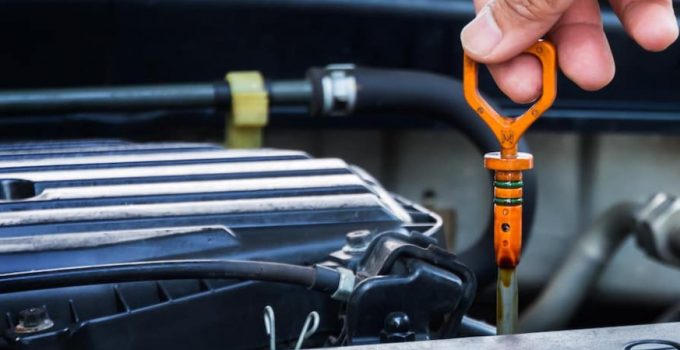
The age-old question: do you check your oil level with the car on or off? It seems simple, but the correct answer is crucial for getting an accurate reading and ensuring your engine's longevity. Checking your oil properly can prevent costly engine damage down the road. Let's dive into the specifics and clear up any confusion.
Why Accurate Oil Level Readings Matter
Before we get into the "how," let's address the "why." Your engine oil serves several critical functions: lubrication, cooling, cleaning, and sealing. Insufficient oil leads to increased friction, heat buildup, accelerated wear, and potentially catastrophic engine failure. Conversely, overfilling can cause oil foaming, reducing its lubricating properties, and even damage seals and gaskets, leading to leaks. Getting an accurate reading, therefore, is paramount.
The Definitive Answer: Engine Off, Warm, and Level
The correct procedure for checking your oil level is with the engine off. Specifically, you want the engine to be warm (not hot), and the car to be parked on a level surface. Here's a step-by-step breakdown:
- Warm-Up: Run the engine for a few minutes to circulate the oil. This ensures a more representative sample is present in the oil pan.
- Shut Down: Turn off the engine and wait for approximately 5-10 minutes. This allows the oil to drain back into the oil pan, giving you an accurate static reading.
- Level Ground: Park the car on a level surface. Any incline will skew the oil level reading, leading to a false impression of being low or high.
- Locate and Remove the Dipstick: Consult your owner's manual if you're unsure where the dipstick is located. It usually has a brightly colored handle labeled "oil." Pull the dipstick out completely.
- Clean the Dipstick: Wipe the dipstick clean with a lint-free cloth or paper towel. This removes the initial oil film and debris.
- Re-Insert the Dipstick: Fully insert the dipstick back into its tube, ensuring it seats properly.
- Remove and Read: Pull the dipstick out again and observe the oil level. The dipstick has markings indicating the minimum ("Low" or "Min") and maximum ("High" or "Max") acceptable levels. The oil level should be somewhere between these two marks.
- Top Up if Necessary: If the oil level is below the "Low" mark, add oil gradually, using the correct type specified in your owner's manual. Add in small increments (e.g., half a quart) and recheck the level until it reaches the optimal range.
Why Not Check With the Engine Running?
Checking the oil level with the engine running will provide an inaccurate reading. When the engine is running, the oil pump is circulating oil throughout the engine, meaning that a significant portion of the oil is not in the oil pan where the dipstick measures. This will invariably result in a falsely low reading, even if your oil level is perfectly fine. Furthermore, attempting to remove the dipstick while the engine is running can be messy, as oil can splatter due to pressure within the crankcase.
Exceptions and Considerations
While the "engine off, warm, and level" rule applies to the vast majority of vehicles, there might be exceptions. Some older vehicles or those with specialized dry-sump lubrication systems (common in high-performance sports cars like certain Porsches) may have specific oil checking procedures. Always refer to your owner's manual for the manufacturer's recommended procedure.
Also, consider the age and condition of your engine. Older engines or those with worn piston rings may burn oil at a faster rate. Regularly checking your oil level (ideally every week or two, or before long trips) is even more crucial in these cases.
Real-World Implications and Maintenance Costs
Neglecting to check your oil, or checking it incorrectly, can have significant financial consequences. Running an engine low on oil can lead to premature wear of critical components like bearings, connecting rods, and the crankshaft. These repairs can range from a few hundred dollars for minor bearing replacement to thousands for a complete engine rebuild or replacement. Regularly checking and maintaining the proper oil level is a simple and inexpensive way to prevent these costly repairs and extend the life of your vehicle.
In conclusion, always check your oil level with the engine off, warm, and on a level surface. Adhering to this simple procedure will ensure accurate readings, proper engine lubrication, and ultimately, save you money and headaches in the long run.